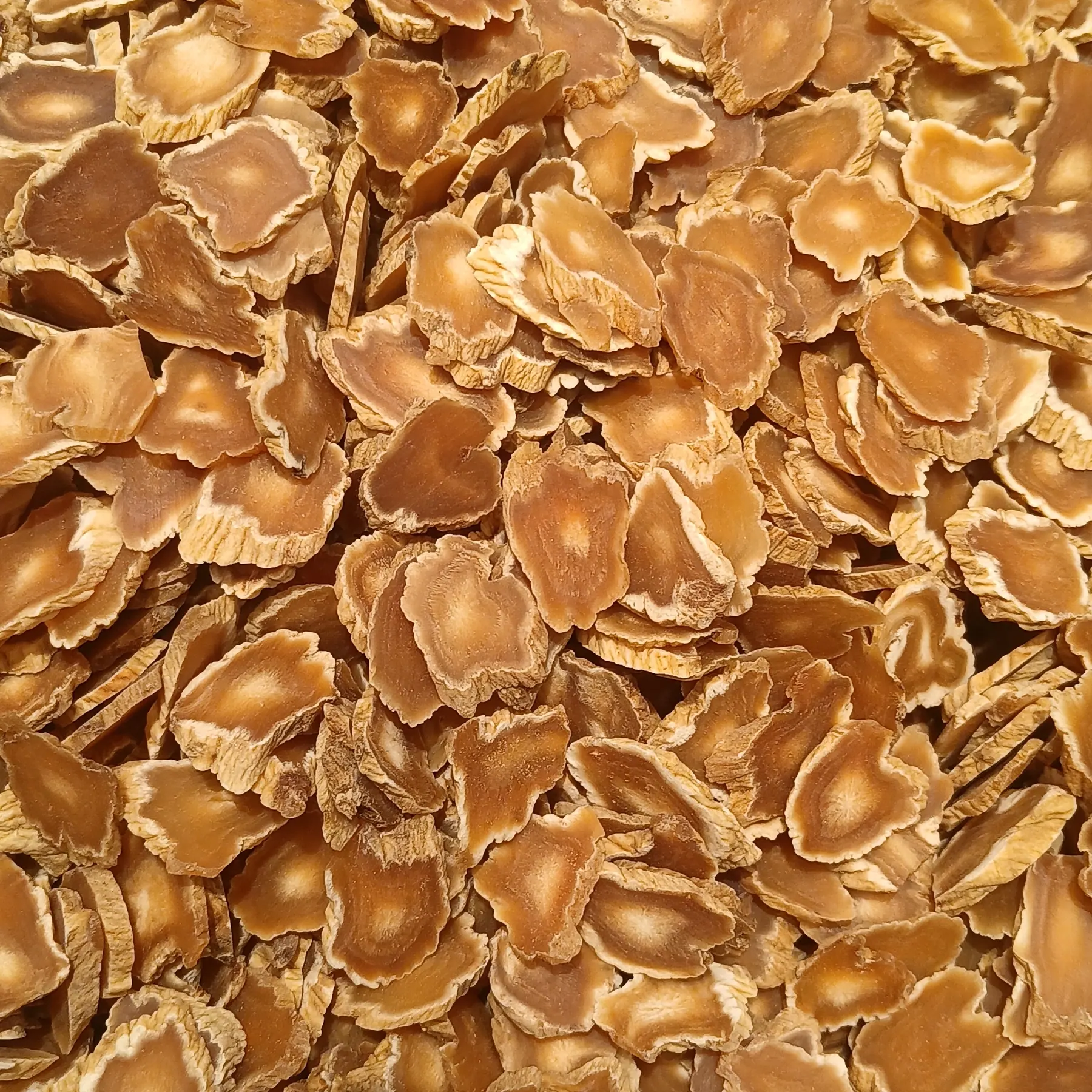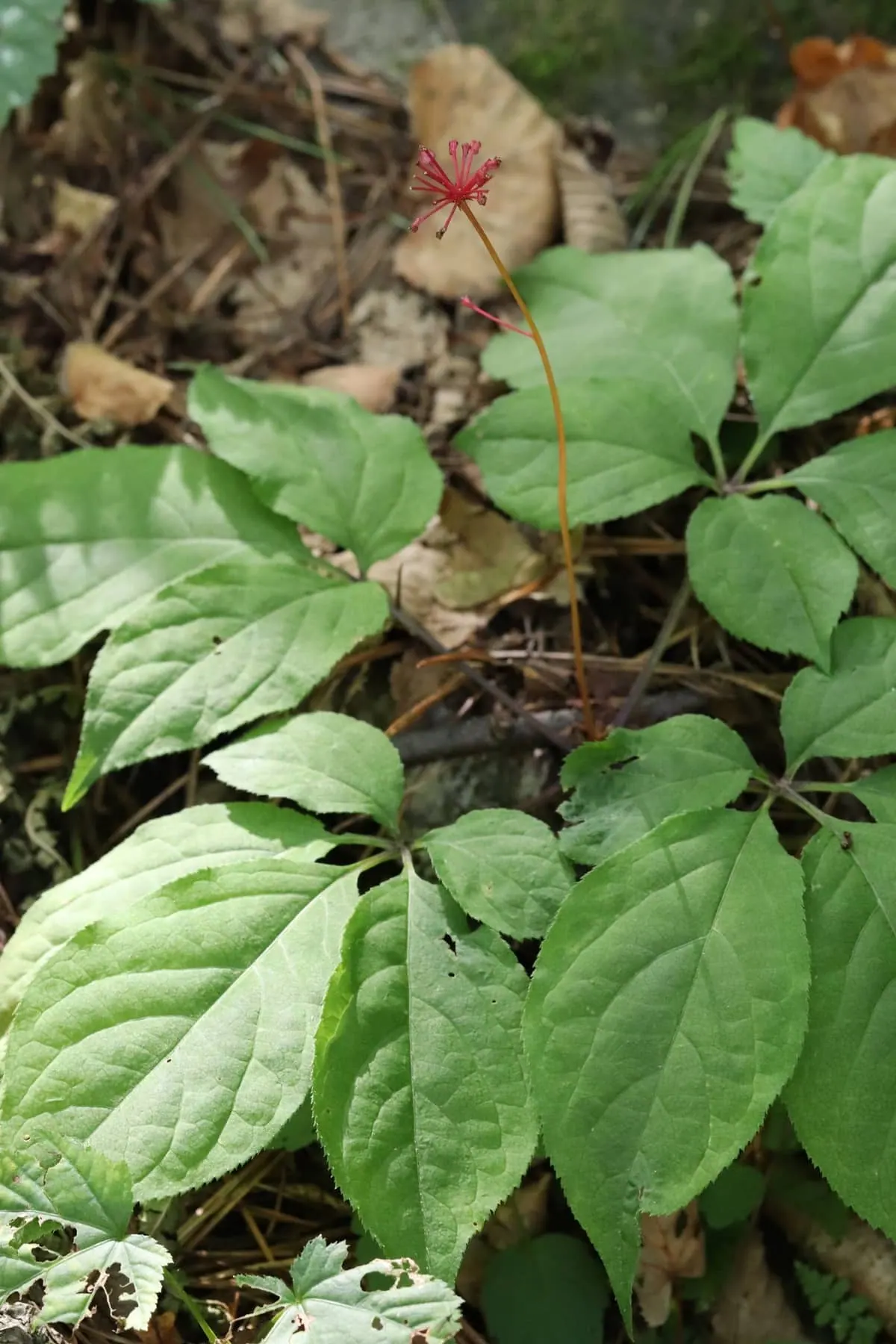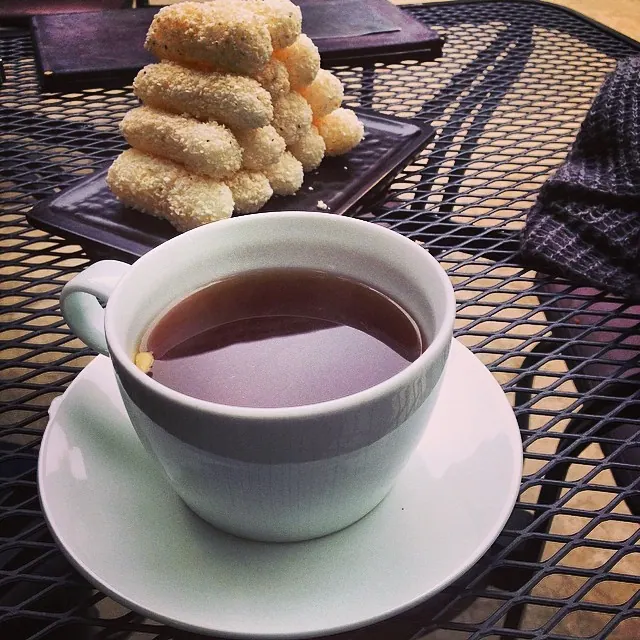
Morning is the most common time to take Panax ginseng, since the main use is daytime energy and focus. Although clinical trials did not test one specific clock time against another, participants generally took it once or twice a day with food, and the morning habit matches the dose to the hours when energy matters.
Morning Is the Default for Energy
Because ginseng's best studied benefit is easing daytime fatigue, taking it in the morning lines up with when people want the effect. Although the fatigue trials did not use a night dose, the 2013 study of 90 people that found a real improvement within four weeks on 1 to 2 grams a day dosed participants during the day, when people want the energy (Kim 2013). Although none of the major trials specifically compared morning against evening dosing, taking it in the morning matches the supplement to daytime energy, the effect those trials measured.
A single morning dose covers the whole working day. A 2001 crossover trial gave 20 young adults 400 mg of a standardized Panax ginseng extract and found memory quality improved at every test, 1, 2.5, 4 and 6 hours after the dose (Kennedy 2001). A dose with breakfast keeps that sharper memory running from the morning into the afternoon.
The lift also starts soon after you take it. A 2005 trial of 30 young adults began testing 60 minutes after a 200 mg dose and found faster mental arithmetic and less mental fatigue across the session that followed (Reay 2005). An early dose has you focused by mid morning.
Splitting the Dose
For daily doses in the 1 to 2 gram range, many people take a morning amount and a midday amount. Although that split is one daily total rather than one large dose, it spreads the intake across the hours you are awake and active, which is how the fatigue benefit was studied. See ginseng dosage for the full gram ranges by use, and for the amounts that carried people through the day.
Split doses have their own trial record. A 2007 trial gave 1,000 mg of Korean red ginseng three times a day for 12 weeks, and two thirds of the men reported better erections (de Andrade 2007). A 2008 trial in type 2 diabetes gave 2 grams with each of three meals for 12 weeks and improved blood sugar control on top of usual treatment (Vuksan 2008). Spreading the day's total across meals is a well tested way to reach those benefits.
Daytime Dosing Keeps the Lift in the Hours You Are Awake
Although ginseng is not a sedative and a few people find a late dose makes falling asleep harder, shifting that dose to morning or midday keeps the lift in the daytime. The feeling some people notice is mildly stimulating, similar to a cup of tea, and an earlier dose puts that alertness where the fatigue research measured it. Morning and midday dosing is how people keep the energy through the hours they want it.
Daytime dosing also sits well with a good night's sleep. A 2013 study gave 15 healthy young men 1,500 mg of red ginseng extract three times a day for 7 days and measured their sleep overnight in a lab (Han 2013). Time spent awake in the night fell and sleep efficiency rose, so a regular daytime routine supports restful nights too.
With or Without Food
Several trials, including the flu vaccination study that used 100 mg a day for about 12 weeks, did not report strict food timing requirements, and ginseng is generally taken alongside a meal for convenience and comfort (Scaglione 1996). Taking it with breakfast or lunch is a common approach that also makes it easy to build into a daily routine. Although a sensitive stomach sometimes prefers company at the meal, food makes the capsule comfortable, and breakfast or lunch turns the dose into a habit that lasts.
For blood sugar, a dose before the meal is the tested timing. The 2008 diabetes trial gave each 2 gram dose 40 minutes before breakfast, lunch and dinner, and after 12 weeks blood sugar after a glucose drink was 8 to 11 percent lower (Vuksan 2008). Taking ginseng shortly before a meal lines it up with that after meal benefit.
Building It into a Routine You Will Stick With
Because the fatigue and erectile function benefits depend on weeks of consistent daily use, the practical factor that matters is picking a time you will actually remember. Pairing ginseng with an existing habit, like your morning coffee, breakfast, or a daily vitamin, is a simple way to make it automatic. Although a pattern of missed doses would miss the timeline the trials tested, a missed day here and there still leaves weeks of consistent use intact, and that consistency is what carries people to the benefits.
Pair Ginseng with a Habit You Already Keep
If you already take a morning vitamin, medication, or another supplement, adding ginseng to that same moment keeps the habit consistent. Although people on regular medication can mention ginseng to a doctor or pharmacist before they start, that same morning moment is an easy place to keep the dose, and a steady habit is how the daytime energy shows up.
Consistency Matters More Than the Exact Hour
Across the fatigue and erectile function research, the trials that found benefits ran for four weeks at minimum, and the erectile dysfunction studies ran 8 to 12 weeks with daily dosing throughout (Lee 2021). Daily consistency over the study period is the factor that lines up with the gains, and a steady hour you already keep is enough. See how long ginseng takes to work for what that timeline looks like, from the first weeks of energy through the longer course.
Daily use builds ginseng up in your body. A 2020 study gave 15 healthy adults red ginseng extract every day for 15 days and found blood levels of the main ginsenosides rose 4.5 to 6.7 times above a single dose, and the course was well tolerated (Choi 2020). Your gut bacteria also convert ginsenosides into compound K, which reaches the blood after its parent compound, and a steady daily rhythm keeps that supply flowing (Kim 2013).
The trials show the payoff of that rhythm. A 2019 trial of 180 adults found 1.8 or 3.6 grams of Korean red ginseng a day eased fatigue more as the weeks went on, with the larger dose working best (Zhang 2019). A 2010 trial found a 400 mg dose sharpened mental arithmetic and calm on day 8 just as it did on day 1 (Reay 2010), so the same morning dose keeps delivering day after day.
What Users Report
Although a smaller group finds a late afternoon dose makes evenings feel more wired, daily users commonly take ginseng first thing in the morning or with breakfast, often alongside or instead of their usual coffee. Many say a second smaller dose around midday helps carry the effect through an afternoon slump. Several people who split their dose describe a simple pattern: half with breakfast, half with lunch, treating it much like a daily vitamin once it becomes routine. These are user routines rather than a clinical protocol, and they track with the daytime energy the trials support.
Safety Notes
Although people who take blood thinners, diabetes medication, or MAOIs can mention ginseng to a doctor, and although the safety profile does not point to specific timing restrictions, side effects in reviews are generally mild and similar to placebo regardless of when it was taken during the day (Coon and Ernst 2002). People tolerate the root well at the morning and midday times they actually use.
For the full range of studied benefits, see Panax ginseng benefits and what Panax ginseng actually does. A morning habit is how people put daytime energy, four week fatigue relief, and the longer erectile function gains to work.
References
- Kim HG et al. 2013. Antifatigue effects of Panax ginseng C.A. Meyer: a randomised, double-blind, placebo-controlled trial. PLoS One.
- Scaglione F et al. 1996. Efficacy and safety of the standardised ginseng extract G115 for potentiating vaccination against the influenza syndrome and protection against the common cold. Drugs Exp Clin Res.
- Lee HW et al. 2021. Ginseng for erectile dysfunction. Cochrane Database Syst Rev.
- Kennedy DO et al. 2001. Dose dependent changes in cognitive performance and mood following acute administration of Ginseng to healthy young volunteers. Nutr Neurosci.
- Reay JL et al. 2005. Single doses of Panax ginseng (G115) reduce blood glucose levels and improve cognitive performance during sustained mental activity. J Psychopharmacol.
- de Andrade E et al. 2007. Study of the efficacy of Korean Red Ginseng in the treatment of erectile dysfunction. Asian J Androl.
- Vuksan V et al. 2008. Korean red ginseng (Panax ginseng) improves glucose and insulin regulation in well-controlled, type 2 diabetes: results of a randomized, double-blind, placebo-controlled study of efficacy and safety. Nutr Metab Cardiovasc Dis.
- Han HJ et al. 2013. Effects of red ginseng extract on sleeping behaviors in human volunteers. J Ethnopharmacol.
- Choi MK et al. 2020. Tolerability and pharmacokinetics of ginsenosides Rb1, Rb2, Rc, Rd, and compound K after single or multiple administration of red ginseng extract in human beings. J Ginseng Res.
- Kim HK. 2013. Pharmacokinetics of ginsenoside Rb1 and its metabolite compound K after oral administration of Korean Red Ginseng extract. J Ginseng Res.
- Zhang L et al. 2019. Safety and antifatigue effect of Korean Red Ginseng: a randomized, double-blind, and placebo-controlled clinical trial. J Ginseng Res.
- Reay JL et al. 2010. Panax ginseng (G115) improves aspects of working memory performance and subjective ratings of calmness in healthy young adults. Hum Psychopharmacol.
- Coon JT, Ernst E. 2002. Panax ginseng: a systematic review of adverse effects and drug interactions. Drug Saf.
Nothing here is medical advice, and people who take prescription medication can mention ginseng to a doctor while they enjoy a root that has supported daytime energy for centuries.