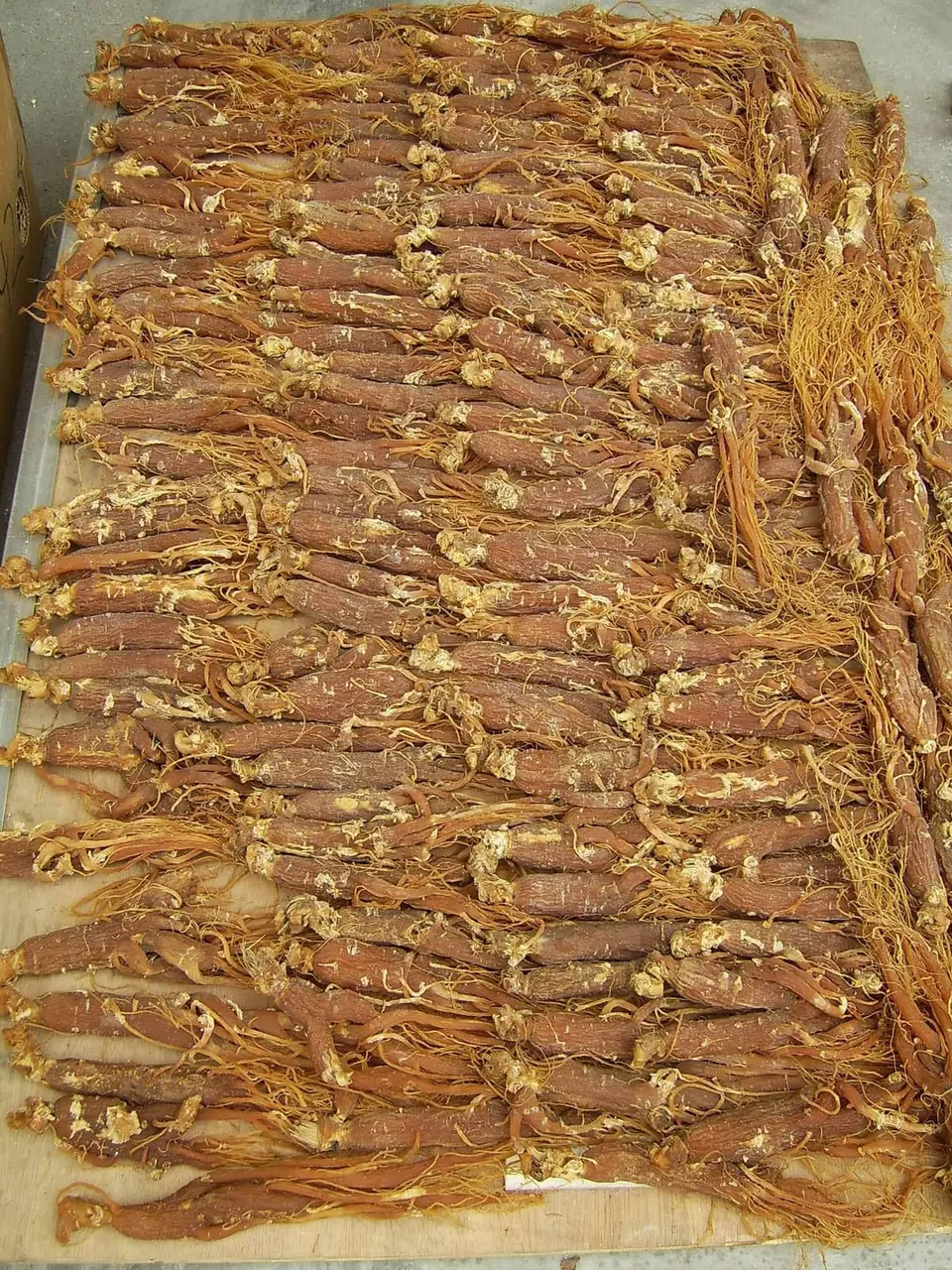
Panax ginseng helps you regain your edge by calming the inflammatory response. This root has been used for centuries to support vitality. You can use it to maintain a balanced system and sustain high performance.
It Helps You Feel Less Tired
A calmer inflammatory response reduces the burden on your body. A 2020 trial of 90 people with elevated liver enzymes found that 125 mg of fermented ginseng powder daily decreased high-sensitivity C-reactive protein (hs-CRP) levels more than a placebo (Jung SJ et al. 2020). This reduction in inflammatory markers supports liver function.
Lowering systemic inflammation helps you fight age-related decline. The same 2020 study found that 500 mg of fermented ginseng powder daily significantly decreased fatigue scores compared with a placebo (Jung SJ et al. 2020). You can find more about this in our guide on ginseng for energy and fatigue.
Many users say they feel a renewed sense of vigor. This strength is rooted in the traditional use of the species to treat weakness (EMA HMPC herbal monographs). You can use the root to support your daily performance.
The root is also used to manage conditions such as aging and inflammation (Ogawa-Ochiai K et al. 2018). A review of randomized clinical trial data from 1995 to 2018 showed its potential for managing fatigue (Ogawa-Ochiai K et al. 2018). These effects help you maintain your edge.
It Supports a Clearer Respiratory Response
Panax ginseng helps modulate the immune system to reduce allergic irritation. A 2021 trial of 60 patients with allergic rhinitis found that Korean red ginseng significantly improved rhinorrhea, nasal itching, and eye itching (Jung JH et al. 2021). This effect helps you breathe more easily.
The root targets specific inflammatory markers in the nasal passages. The 2021 study found that Korean red ginseng significantly decreased serum IL-4 levels and eosinophil counts in nasal smears (Jung JH et al. 2021). This response reduces the severity of allergic reactions.
Total serum immunoglobulin E (IgE) levels also dropped during the four-week treatment (Jung JH et al. 2021). This result shows the strength of the root in calming the immune response. You can maintain your edge by supporting your respiratory health.
The root is traditionally used in Korea for health improvement (Jung JH et al. 2021). This long record of use supports its application in health improvement. You can rely on this centuries old strength.
It Protects Your Cardiovascular System
Maintaining a calm inflammatory state is vital for your heart. A 2025 review found that ginsenoside Rg1 modulates inflammation to help manage coronary artery disease (Zhang L et al. 2025). This action helps you protect your endothelial function.
The root also works to prevent the thickening of heart tissues. The same 2025 review noted that Rg1 prevents fibrosis and reduces myocardial hypertrophy (Zhang L et al. 2025).
You can combine this with other supports for your heart. Read our guide on ginseng and circulation to learn more. The root has been used for centuries to promote blood flow and vitality.
Rg1 also inhibits smooth muscle cell proliferation and regulates lipid metabolism (Zhang L et al. 2025). It promotes angiogenesis and prevents thrombosis (Zhang L et al. 2025). These mechanisms support your cardiovascular performance.
It Lowers Systemic Inflammatory Markers
Ginseng works on a molecular level to lower the markers of inflammation. The root is used in some functional foods or supplements to manage inflammation (Ogawa-Ochiai K et al. 2018). This reduction helps you maintain a balanced internal environment.
Other markers of inflammation also respond to the root. The species is indicated for conditions that manifest as cold limbs or profuse sweating (Ogawa-Ochiai K et al. 2018). This dual action calms the body's inflammatory response.
These findings support the use of the root for those fighting age-related decline. By lowering these cytokines, you support your overall vitality.
The root is used for managing conditions such as hypertension and cardiovascular disorders (Ogawa-Ochiai K et al. 2018). It is also used for renal function and chronic obstructive pulmonary disease (Ogawa-Ochiai K et al. 2018). This broad application supports your systemic health.
It Supports Reproductive Health in Men
Inflammation can negatively impact male reproductive function. A 2023 review of 11 clinical studies found that red ginseng's action in men's reproductive health is related to anti-inflammation (Wang H et al. 2023). This support helps you maintain your edge.
The root helps address specific issues like prostate diseases and male infertility (Wang H et al. 2023). This is achieved through the regulation of sex hormones and the reduction of oxidative stress. You can find more details in our guide on ginseng for erectile dysfunction.
Traditional use in East Asia has long linked the root to male vitality (Wang H et al. 2023). You can use it to support your reproductive health.
Red ginseng has demonstrated clinical value in men's reproductive health (Wang H et al. 2023). It is used for the treatment of erectile dysfunction (Wang H et al. 2023). This strength supports your performance.
It Helps Modulate the Immune System
The root acts as an adaptogen to balance your immune response. It is traditionally indicated for the collapse of qi (Ogawa-Ochiai K et al. 2018). This balance prevents the system from overreacting.
Specific components like ginsenoside Rg3 improve anti-inflammation properties (Liu Z et al. 2021). This molecular action helps you prevent the progression of various inflammatory conditions.
You can use the root to support your body's natural defenses. It helps you stay resilient as you age.
Ginsenoside Rg3 also supports immune regulation and the induction of tumor apoptosis (Liu Z et al. 2021). It prevents tumor invasion, metastasis, and proliferation (Liu Z et al. 2021). This activity supports your long-term health.
It Supports Metabolic and Liver Health
Inflammation is often linked to metabolic syndrome and liver stress. A registered trial of 75 patients with non-alcoholic hepatitis used Korean red ginseng to check pro-inflammatory cytokines and antioxidant activity (NCT02331589). This approach supports liver recovery.
The root also targets the components of metabolic syndrome. A registered trial investigated how Korean red ginseng improves inflammatory markers and arterial stiffness in subjects with metabolic syndrome (NCT00976274). This support helps you maintain your vitality.
You can learn more about this in our guide on Panax ginseng benefits. The root's ability to calm inflammation in the liver and arteries is a major benefit. This strength helps you maintain your performance.
Korean red ginseng has anti-oxidant and anti-carcinogenic activity (NCT02331589). It provides cancer related anti-fatigue effects (NCT02331589). These properties support your overall resilience.
References
- Jung JH et al. 2021. The Effect of Korean Red Ginseng on Symptoms and Inflammation in Patients With Allergic Rhinitis. Ear Nose Throat J.
- Jung SJ et al. 2020. A 12-week, randomized, double-blind study to evaluate the efficacy and safety of liver function after using fermented ginseng powder (GBCK25). Food Nutr Res.
- Zhang L et al. 2025. Roles and mechanisms of ginsenoside Rg1 in coronary artery disease: Progress and perspectives. J Ginseng Res.
- Wang H et al. 2023. The role of red ginseng in men's reproductive health: a literature review. Basic Clin Androl.
- Liu Z et al. 2021. Insights into the antitumor mechanism of ginsenosides Rg3. Mol Biol Rep.
- Ogawa-Ochiai K et al. 2018. Panax ginseng for Frailty-Related Disorders: A Review. Front Nutr.
- NCT02331589. Anti-fatigue Effect of Korean Red Ginseng in Patients With Non-alcoholic Hepatitis. ClinicalTrials.gov.
- NCT00976274. Korean Red Ginseng and Metabolic Syndrome. ClinicalTrials.gov.
- EMA HMPC herbal monographs. Ginseng radix, EMA herbal monograph.
Nothing here is medical advice, and anyone on prescription medication can mention ginseng to a doctor while enjoying a root people have trusted for centuries.