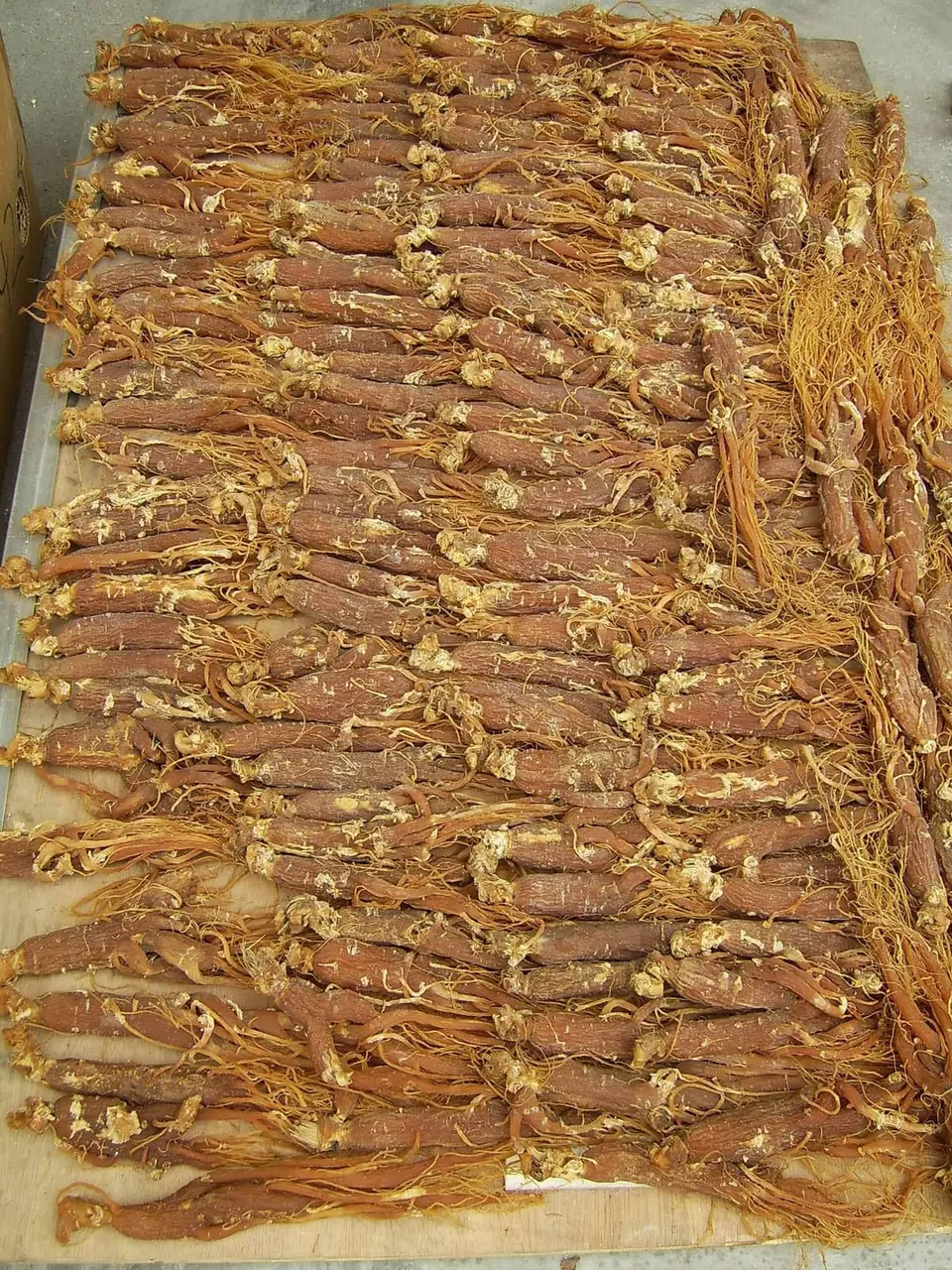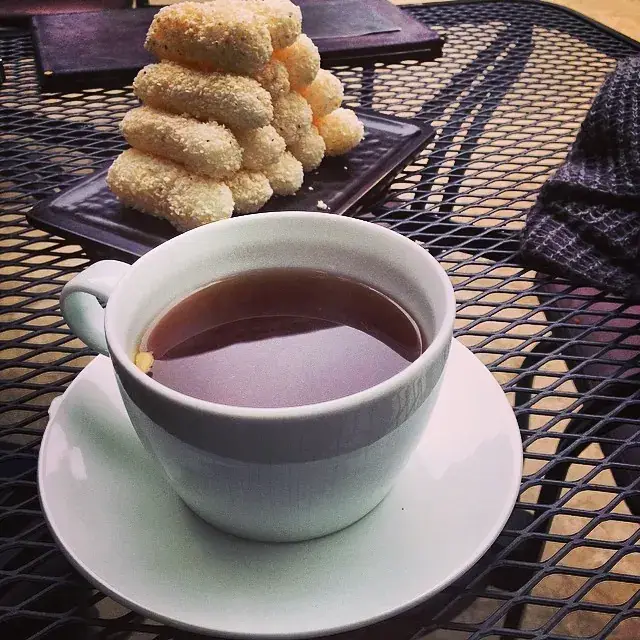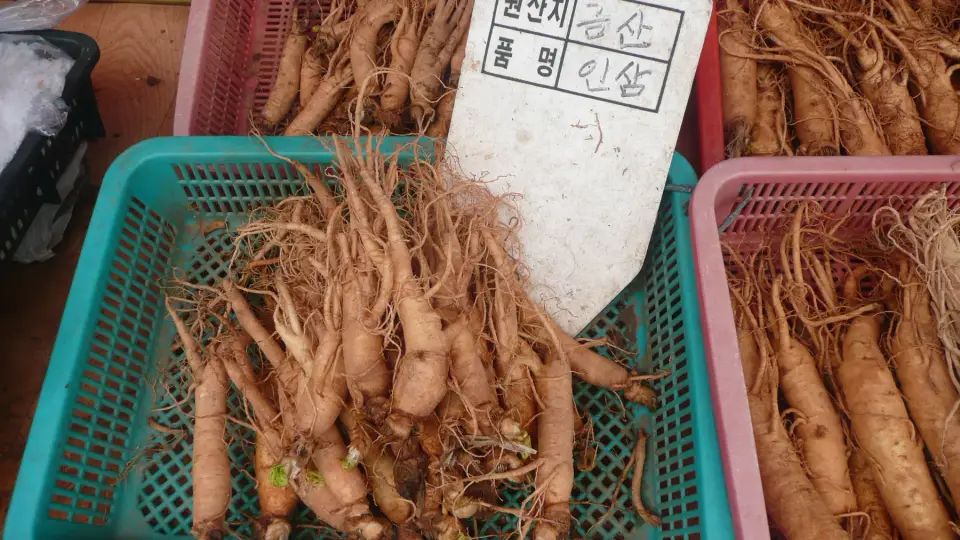
Panax ginseng has been used for thousand years to benefit Qi and support the body's internal balance (Jin 2020). This ancient root provides a natural way to support liver health and restore your physical edge. You can use this botanical strength to maintain hepatic function and increase your daily energy.
It Helps Lower Liver Enzymes
Reducing elevated liver enzymes is a primary way to support hepatic health. A 2020 randomized trial of 51 people found that 3 g/day of Panax ginseng extract significantly reduced ALT and GGT levels compared to placebo over 12 weeks (Shen 2020). This reduction in markers indicates a positive effect on mild hepatic dysfunction.
Another study focused on fermented ginseng powder to improve liver function. In a 12-week trial of 90 participants, a low dose of 125 mg/day significantly decreased GGT and hs-CRP levels in male subjects (Jung 2020). These results show the root's ability to refine liver markers.
Korean Red Ginseng also targets enzymes in those with fatty liver. A 2021 trial of 94 patients found that 2,000 mg/day of Korean Red Ginseng improved ALT and AST levels over 30 days (Hong 2021). This improvement is linked to the modulation of gut microbiota for better liver health.
It Reduces Liver Inflammation
Controlling inflammation is key to protecting the liver from long-term decline. A 2016 trial of 80 patients with nonalcoholic fatty liver disease found that Korean Red Ginseng significantly reduced tumor necrosis factor-alpha levels after 3 weeks (Hong 2016). This anti-inflammatory action helps protect the liver tissue.
The root also supports the liver by improving adiponectin levels. In the same 2016 study, Korean Red Ginseng increased adiponectin levels compared to a placebo group (Hong 2016). Higher adiponectin is a strength for metabolic health.
These effects are often combined with a reduction in oxidative stress. A 2020 systematic review of 8 clinical trials found that Panax ginseng compounds decrease malondialdehyde levels in the liver (Jin 2020). This antioxidant power preserves the integrity of hepatic cells.
It Supports Liver Function During Illness
Panax ginseng provides a protective layer for the liver during challenging medical treatments. A 2017 trial of 30 patients with ovarian cancer found that 3,000 mg/day of red ginseng was safe and effective for improving quality of life during chemotherapy (Kim 2017). The root helped reduce nausea and fatigue while keeping liver enzymes within normal values.
It also serves as a complementary tool for chronic viral hepatitis. A trial of 38 patients with chronic hepatitis B found that adding 3 g/day of Korean Red Ginseng to antiviral agents further decreased hyaluronic acid and transforming growth factor-beta (Choi 2016). These markers are key indicators of liver fibrosis.
Traditional formulas using the root also support the liver in heart failure patients. A study of 40 patients found that Shenfu decoction, containing Panax ginseng, significantly improved hepatic injury and quality of life (Wei 2015). This demonstrates the root's versatility in supporting multiple organ systems.
It Fights Liver-related Fatigue
Liver dysfunction often leads to a loss of vitality and a feeling of exhaustion. A 2021 study of 94 patients with fatty liver disease found that 2,000 mg/day of Korean Red Ginseng effectively improved fatigue scores (Hong 2021). This allows you to get your edge back and feel more energetic.
High-intensity physical stress can also strain the liver and cause fatigue. A 2023 trial of 17 tennis players found that Saengmaeksan, a drink containing Panax ginseng, reduced ammonia, AST, and ALT levels (Juan 2023). This combination helps the liver process metabolites more efficiently during exercise.
The root's ability to combat fatigue is a result of centuries of use. A 2020 review of 8 RCTs confirmed that Panax ginseng is superior to placebo in reducing fatigue scales and improving heart rate recovery (Jin 2020). You can find more about this in our guide on ginseng for energy and fatigue.
It Protects Against Metabolic Stress
The liver is the center of metabolism, and Panax ginseng helps it manage glucose and lipids. A 2026 trial of 70 adults with type 2 diabetes found that 2 g/day of Korean Red Ginseng lowered total cholesterol and LDL cholesterol (Nam 2026). This supports the liver in managing lipid profiles.
The root also improves insulin sensitivity, which reduces the metabolic load on the liver. In the same 2026 study, Korean Red Ginseng was associated with higher insulin sensitivity indices (Nam 2026).
By reducing lipid peroxidation, the root prevents damage to hepatic membranes. The 2026 diabetes study showed that Korean Red Ginseng significantly lowered malondialdehyde and oxidized LDL (Nam 2026). This protection helps maintain long-term liver vitality.
How Much to Take
The dosage of Panax ginseng varies depending on the desired liver benefit. For general hepatic support and enzyme reduction, studies have used doses ranging from 125 mg of fermented powder to 3,000 mg of extract (Jung 2020, Shen 2020). These amounts are generally well tolerated by adults.
Many users report a gradual increase in energy when following a consistent regimen. For those focusing on metabolic health, 2 g/day of Korean Red Ginseng has shown favorable effects on lipid profiles (Nam 2026). You can explore ginseng dosage for more detailed options.
Quality is essential for ensuring you receive the active ginsenosides. The Hong Kong Chinese Materia Medica Standards provide strict identity and quality standards for Radix Ginseng (Hong Kong Chinese Materia Medica Standards). Using a standardized extract ensures the strength of the root.
It Restores Your Overall Vitality
Supporting the liver is a direct path to increasing your daily performance. By lowering inflammation and balancing enzymes, Panax ginseng helps you overcome the sluggishness associated with age-related decline. This root allows you to maintain a high level of activity and mental clarity.
The long history of this root as a nutritional supplement in Asia confirms its strength (Ginseng-HCC 2001). You can rely on this record of use to support your health.
Integrating Panax ginseng into your routine helps protect your liver and boost your energy. Whether you are fighting fatigue or managing metabolic health, the root provides a concrete benefit. This botanical powerhouse is a proven tool for regaining your vitality.
References
- Jin TY et al. 2020. Clinical and Preclinical Systematic Review of Panax ginseng C. A. Mey and Its Compounds for Fatigue. Front Pharmacol.
- Nam JS et al. 2026. Efficacy and safety of Korean red ginseng as adjunctive therapy in type 2 diabetes mellitus: a 12-week randomized, double-blind, placebo-controlled trial. J Ginseng Res.
- Juan S et al. 2023. Effect of Saengmaeksan on Fatigue, Liver Function, and Immunity Combined with High-Intensity Training. J Immunol Res.
- Hong JT et al. 2021. Effect of Korea red ginseng on nonalcoholic fatty liver disease: an association of gut microbiota with liver function. J Ginseng Res.
- Shen L et al. 2020. Effectiveness and Safety of Panax ginseng Extract on Hepatic Dysfunction: A Randomized, Double-Blind, Placebo-Controlled Clinical Trial. Evid Based Complement Alternat Med.
- Jung SJ et al. 2020. A 12-week, randomized, double-blind study to evaluate the efficacy and safety of liver function after using fermented ginseng powder (GBCK25). Food Nutr Res.
- Kim HS et al. 2017. Effect of Red Ginseng on Genotoxicity and Health-Related Quality of Life after Adjuvant Chemotherapy in Patients with Epithelial Ovarian Cancer: A Randomized, Double Blind, Placebo-Controlled Trial. Nutrients.
- Hong M et al. 2016. Anti-inflammatory and antifatigue effect of Korean Red Ginseng in patients with nonalcoholic fatty liver disease. J Ginseng Res.
- Choi SH et al. 2016. Effects of Complementary Combination Therapy of Korean Red Ginseng and Antiviral Agents in Chronic Hepatitis B. J Altern Complement Med.
- Wei H et al. 2015. Shenfu decoction as adjuvant therapy for improving quality of life and hepatic dysfunction in patients with symptomatic chronic heart failure. J Ethnopharmacol.
- Ginseng-HCC Chemopreventive Study Osaka Group. 2001. Study on chemoprevention of hepatocellular carcinoma by ginseng: an introduction to the protocol. J Korean Med Sci.
- Hong Kong Chinese Materia Medica Standards. Hong Kong Chinese Materia Medica Standards, Volume 1: Radix Ginseng.
Nothing here is medical advice, and anyone on prescription medication can mention ginseng to a doctor while enjoying a root people have trusted for centuries.