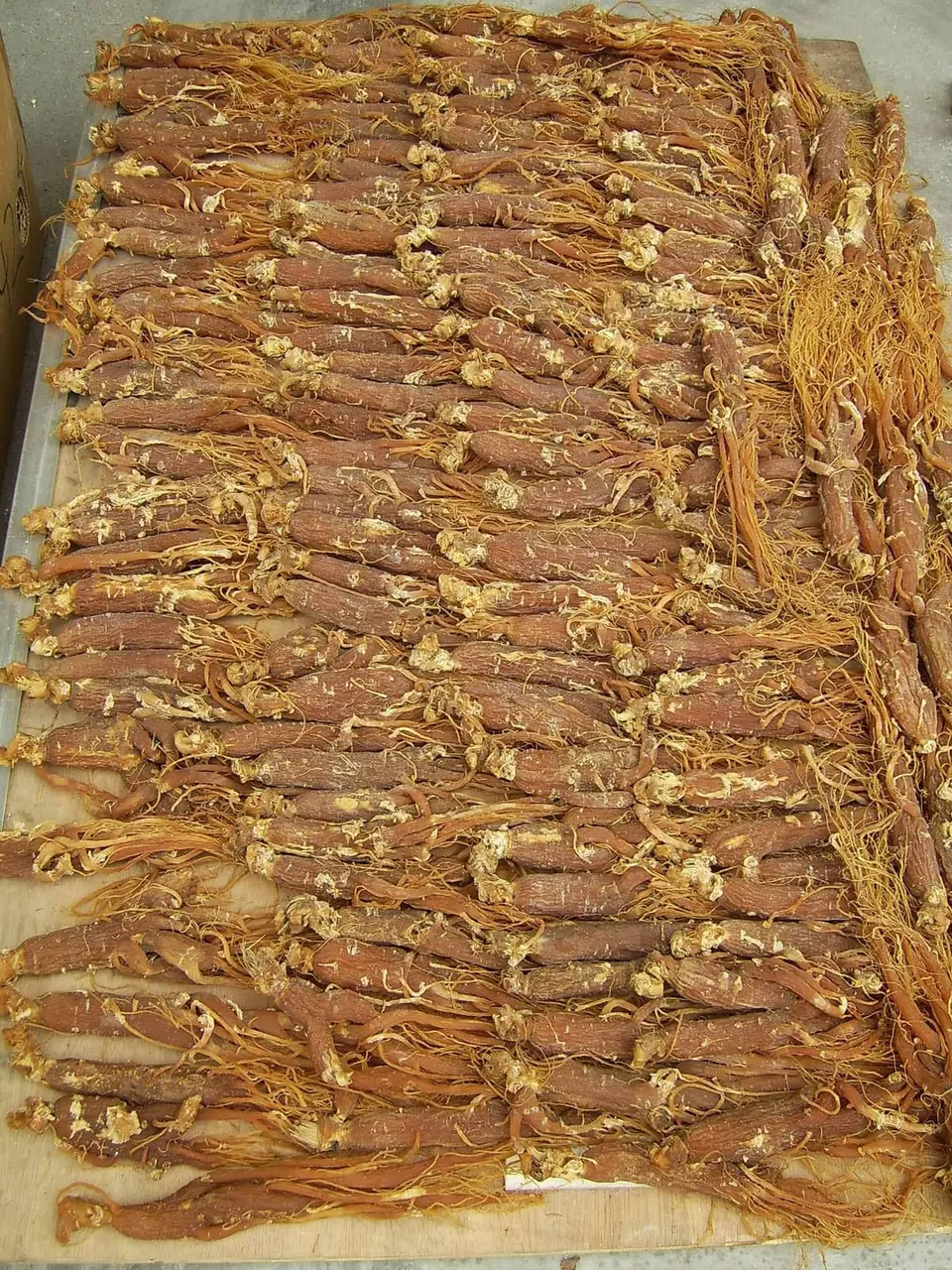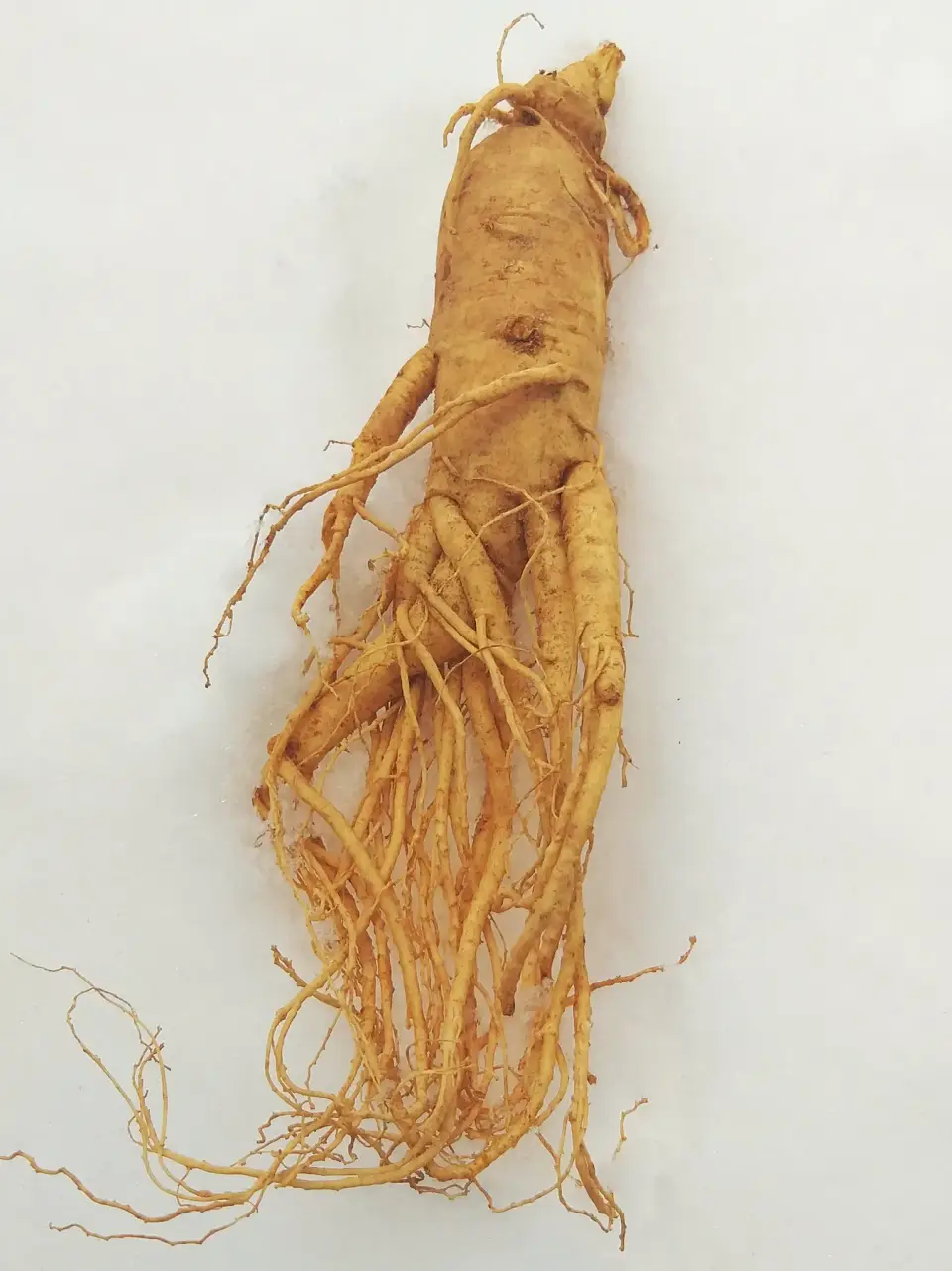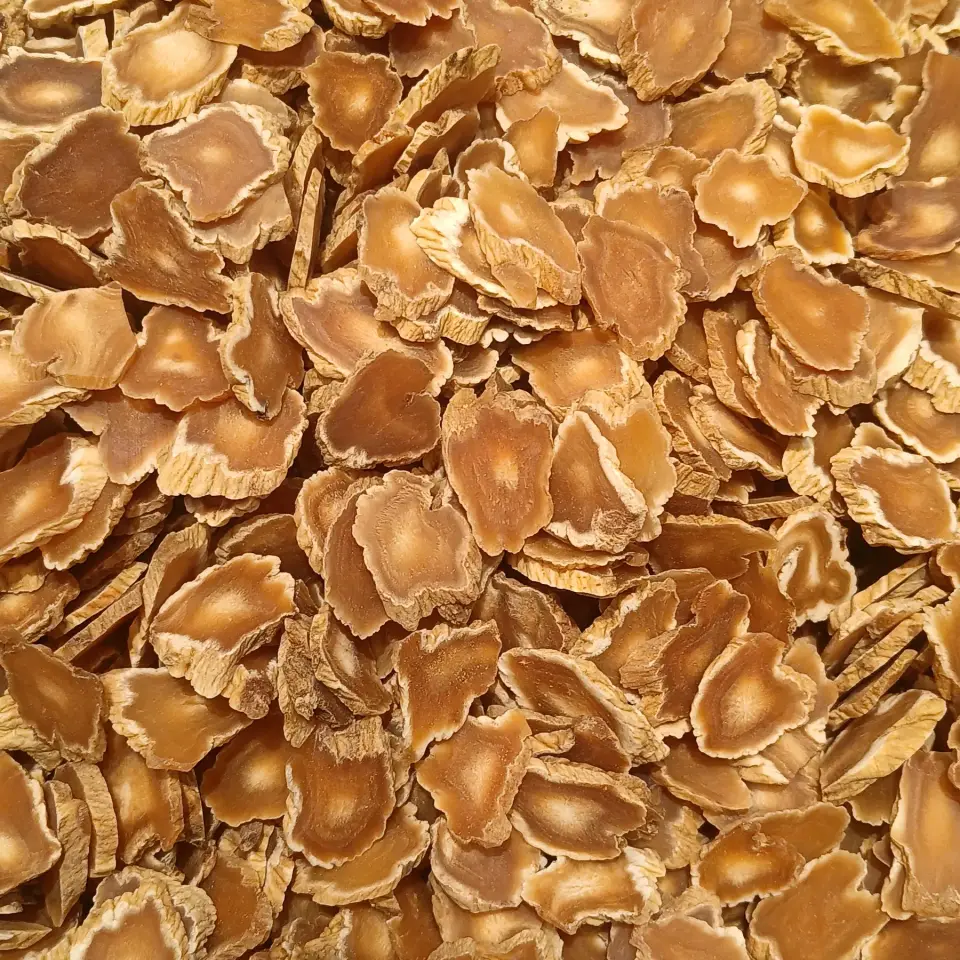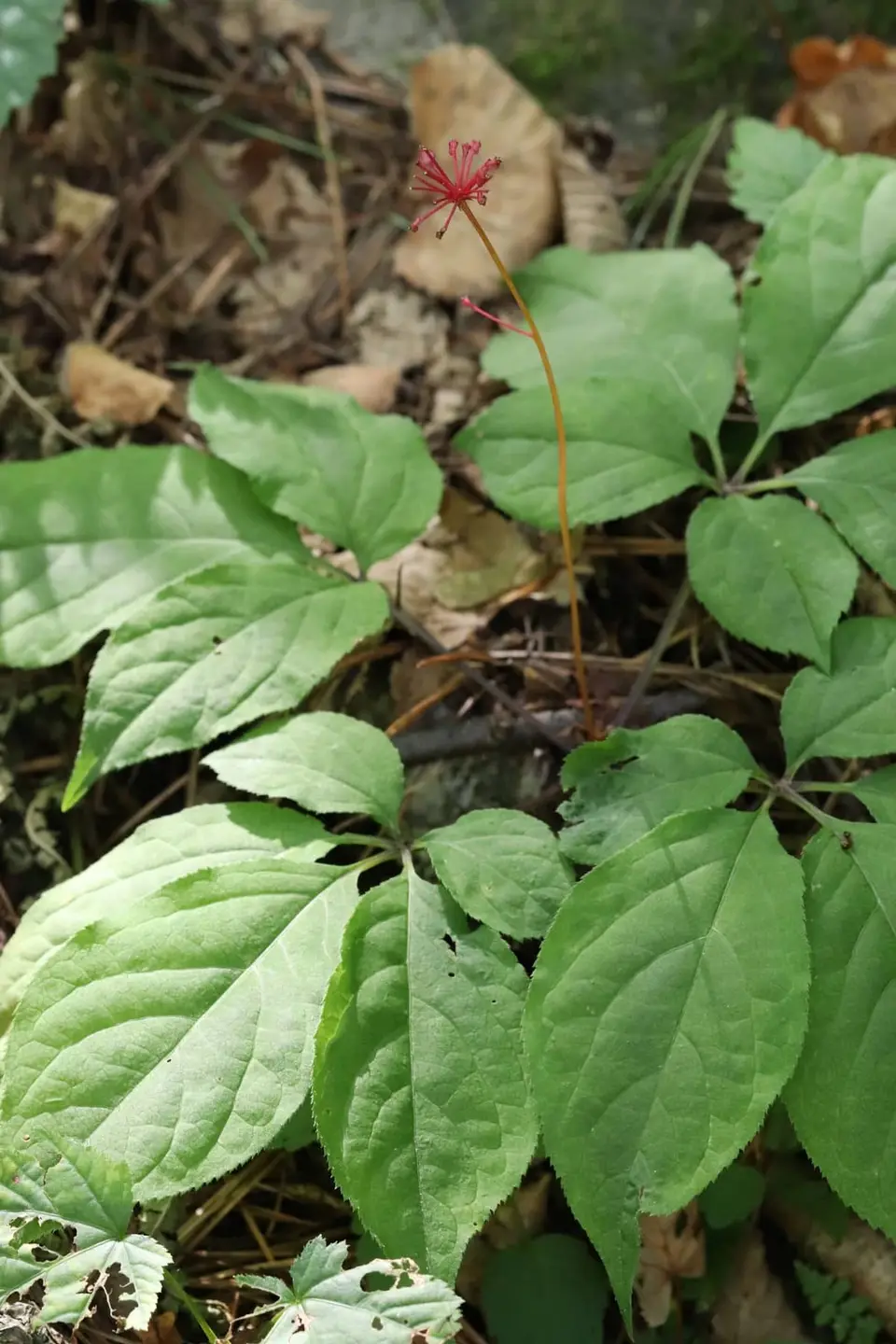
Panax ginseng restores the edge you need for peak performance. This root has been used for centuries to drive vitality and strength. You can leverage this record of use to fight age-related decline and reclaim your athletic energy.
It Helps You Feel Less Tired
You can reduce the feeling of exhaustion during intense training.
Korean Red Ginseng specifically targets the markers of physical exhaustion. In an 8-week randomized trial, subjects taking red ginseng capsules showed a significantly lower subjective strength grade and lower blood lactic acid content than the placebo group (Yang Y et al. 2022). This result helps you maintain a higher output for longer.
The root also supports those fighting fatigue while managing other health conditions. In a study of 80 overweight patients with nonalcoholic fatty liver disease, Korean Red Ginseng significantly decreased fatigue scores over three weeks (Hong M et al. 2016). This benefit ensures you stay active regardless of your starting point.
It Accelerates Muscle Force Recovery
You can return to your baseline strength faster after a grueling workout. A 2022 study of 10 male track and field athletes found that Panax ginseng accelerated the recovery of muscle force after eccentric-based exercise (Cristina-Souza G et al. 2022). While the placebo group remained reduced in strength 48 hours later, the ginseng group returned to baseline within 24 hours.
This effect is linked to better muscle excitation. The same study found that Panax ginseng increased EMG activity and attenuated the rating of perceived exertion during half-squat sets (Cristina-Souza G et al. 2022). You can experience less perceived effort while your muscles recruit more power.
The root also protects against the stress of intense resistance work. A trial using an enzyme fermented supplement found that a high dose of 960 mg significantly reduced muscle damage and HPA responses to physical stress 24 hours after exercise (Flanagan SD et al. 2018). This is a strength of the root for those who train with heavy weights.
It Improves Your Metabolic Efficiency
You can optimize how your body uses energy during aerobic activity. A 2024 trial of male recreational athletes taking 500 mg of Panax ginseng extract daily for 14 days found that oxygen consumption decreased during sub-maximal aerobic tests (Hernández-García D et al. 2024). This efficiency allows you to conserve energy during long efforts.
The root also improves your blood lipid profile. The same 14-day study found that Panax ginseng extract reduced total blood lipid levels, specifically triacylglycerides, in both 10 km race participants and laboratory test subjects (Hernández-García D et al. 2024). This metabolic support is a key part of maintaining a lean, athletic physique.
These benefits extend to those in cardiac rehabilitation. A randomized trial of 100 patients with stable coronary artery disease found that ginseng berry saponins significantly improved cardiorespiratory fitness, increasing metabolic equivalents at both the anaerobic threshold and maximal levels (Ge Y et al. 2026). This result helps you regain your aerobic edge.
It Supports Your Liver and Immunity
High-intensity training can strain your internal systems, but ginseng provides a shield. A study of 17 male college tennis players using a traditional drink containing Panax ginseng found a significant decrease in ammonia and AST levels (Juan S et al. 2023). This reduction supports better liver function during heavy training.
Your immune system also gains a boost during periods of high stress. The same study of tennis players found that the ginseng-based drink significantly increased IgA levels (Juan S et al. 2023). This strength helps you stay healthy and avoid missed training days.
Traditional records and modern standards confirm the identity and quality of the root used for these purposes (Hong Kong Chinese Materia Medica Standards). You can trust a root with centuries of documented strength.
How Much to Take
The dose you choose depends on your specific performance goals. For muscle recovery and stress reduction, a high dose of 960 mg has shown significant results in reducing HPA responses to physical stress (Flanagan SD et al. 2018). This higher amount is ideal for those undergoing intense resistance training.
For metabolic efficiency and lipid support, a daily dose of 500 mg of extract has proven effective over a two-week period (Hernández-García D et al. 2024). This moderate dose helps recreational athletes optimize their oxygen consumption.
You can also find success with high-dose short-term protocols. For more details, see our guide on ginseng dosage.
Choosing the Right Form
You can choose between capsules, liquids, or powders based on your preference. Red ginseng is often used in clinical trials for its concentrated effects on fatigue and recovery (Lee NH et al. 2016). This processed form is a staple for those seeking an ergogenic aid.
Liquid extracts provide a convenient way to integrate the root into your pre-workout routine. Many users report a rapid sense of vitality when using liquid forms. You can also find enzyme-fermented versions that may enhance the bioavailability of active ginsenosides (Flanagan SD et al. 2018).
Whether you prefer a capsule or a tea, the goal is consistent intake. Some athletes prefer ginseng tea vs capsules to match their lifestyle. The most important factor is selecting a high-quality root that meets established standards (Hong Kong Chinese Materia Medica Standards).
It Is Well Tolerated for Active Use
You can integrate Panax ginseng into your regimen with confidence. A systematic review of randomized controlled trials found that the incidence of adverse events with ginseng monopreparations is similar to that with placebo (Coon JT et al. 2002). While some people report mild headaches or sleep changes, these are usually transient and do not hinder performance.
The root is generally safe for long-term use in healthy adults. A review of 57 randomized clinical trials concluded that ginseng generally has a good safety profile and a low incidence of adverse effects (Lee NH et al. 2011). This allows you to maintain your edge over months of training.
European authorities recognize the traditional use of the root for treating tiredness and weakness (EMA HMPC herbal monographs). This long-term record of use supports its role in restoring vitality. By combining this history with modern science, you can reclaim your peak physical performance.
References
- Lee NH et al. 2016. Red Ginseng as an Ergogenic Aid: A Systematic Review of Clinical Trials. J Exerc Nutrition Biochem.
- Lee NH et al. 2011. Systematic review of randomized controlled trials evaluating the efficacy and safety of ginseng. J Acupunct Meridian Stud.
- Coon JT et al. 2002. Panax ginseng: a systematic review of adverse effects and drug interactions. Drug Saf.
- Ge Y et al. 2026. Effects of ginseng berry saponins on cardiorespiratory fitness in patients with SCAD: a randomized, double-blinded, placebo-controlled trial. Front Pharmacol.
- Hernández-García D et al. 2024. Short-Term Panax Ginseng Extract Supplementation Reduces Fasting Blood Triacylglycerides and Oxygen Consumption during Sub-Maximal Aerobic Exercise in Male Recreational Athletes. Biomolecules.
- Juan S et al. 2023. Effect of Saengmaeksan on Fatigue, Liver Function, and Immunity Combined with High-Intensity Training. J Immunol Res.
- Yang Y et al. 2022. Safety and antifatigue effect of Korean Red Ginseng capsule: A randomized, double-blind and placebo-controlled clinical trial. J Ginseng Res.
- Cristina-Souza G et al. 2022. Panax ginseng Supplementation Increases Muscle Recruitment, Attenuates Perceived Effort, and Accelerates Muscle Force Recovery After an Eccentric-Based Exercise in Athletes. J Strength Cond Res.
- Flanagan SD et al. 2018. The Effects of a Korean Ginseng, GINST15, on Hypo-Pituitary-Adrenal and Oxidative Activity Induced by Intense Work Stress. J Med Food.
- Hong M et al. 2016. Anti-inflammatory and antifatigue effect of Korean Red Ginseng in patients with nonalcoholic fatty liver disease. J Ginseng Res.
- EMA HMPC herbal monographs. Ginseng radix, EMA herbal monograph.
- Hong Kong Chinese Materia Medica Standards. Hong Kong Chinese Materia Medica Standards, Volume 1: Radix Ginseng.
Nothing here is medical advice, and anyone on prescription medication can mention ginseng to a doctor while enjoying a root people have trusted for centuries.