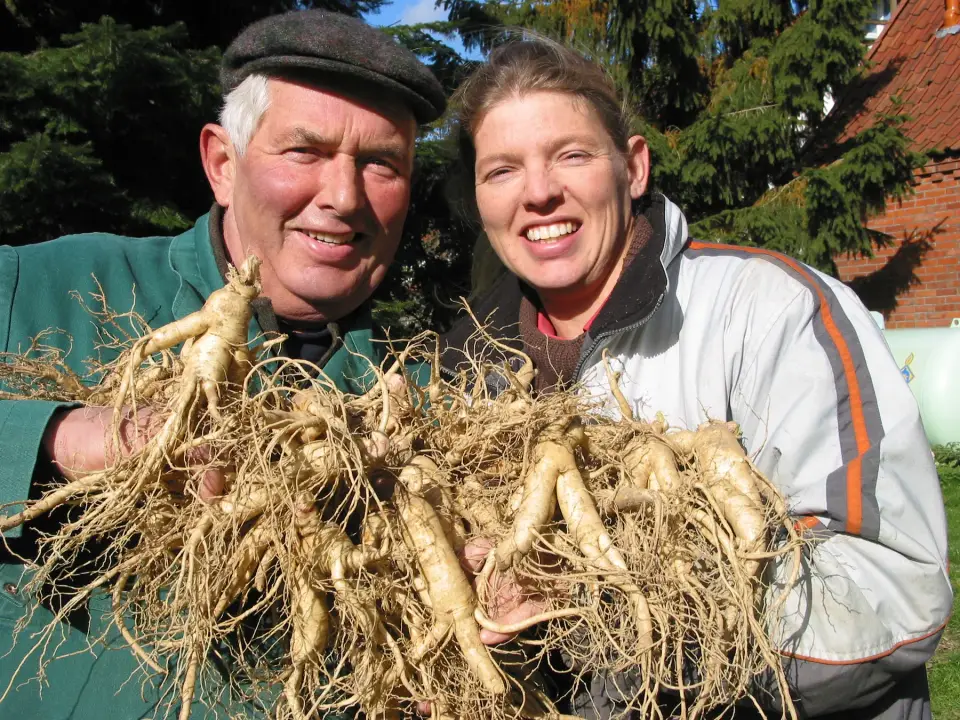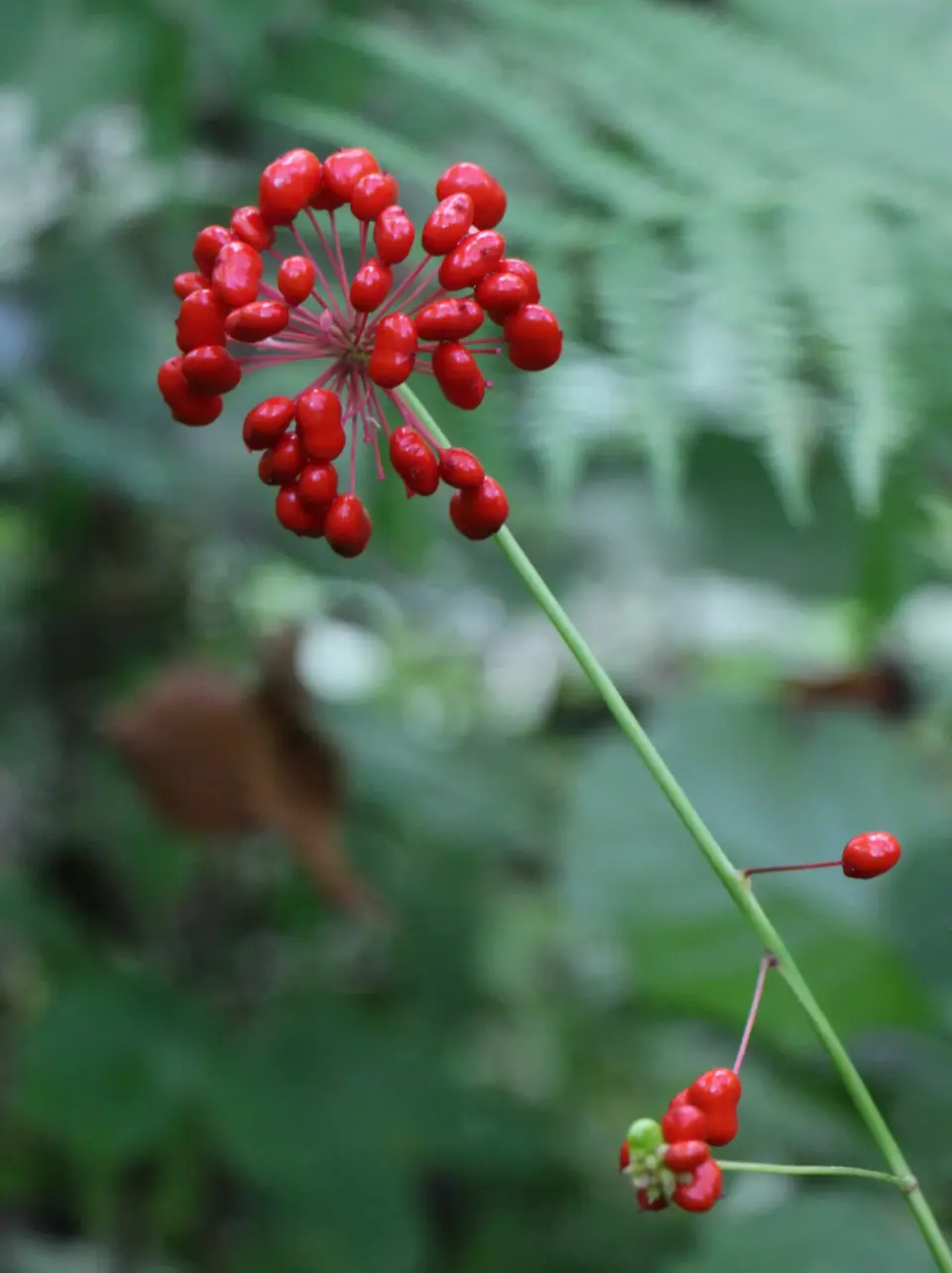
Panax ginseng is a powerhouse for those seeking to reclaim their mental edge. This root has been used for centuries to sustain vitality and brain function. You can use it to fight age-related decline and keep your mind sharp.
It Helps You Feel Less Tired
Mental fatigue often masks your true cognitive potential. Panax ginseng is recognized for its ability to combat exhaustion and restore energy [A3]. This strength allows you to maintain focus throughout the day.
Many users say they feel a renewed sense of alertness. This vitality supports a more active lifestyle as you age [A1]. You can use this root to push through the midday slump and stay productive.
The root is well tolerated by most people [A2]. It provides a steady lift in performance without the crash of stimulants [A1].
The root is recognized for its ability to combat fatigue and prevent cancer in formal trials (Klepser TB 1999). This strength helps you maintain a high level of performance throughout the day. You can use this root to sustain your energy and fight the physical decline that often accompanies aging.
It Improves Memory and Recall
Maintaining a sharp memory is essential for independence and confidence. A 2024 meta-analysis of 13 studies in 1,043 participants found that Chinese herbal medicine, including Panax ginseng, significantly improved cognitive function on the Mini-Mental State Examination and Montreal Cognitive Assessment (Liu L 2024).
A 14-week trial of 256 healthy middle-aged volunteers found that a combination of Ginkgo biloba and Panax ginseng significantly improved an Index of Memory Quality (Wesnes KA 2000). This effect included improvements in both working and long-term memory. Such results help you retain information more effectively.
The root's ability to support memory is a core part of its traditional record. It helps you stay connected to your thoughts and experiences. This cognitive support is a primary reason for its global popularity.
A 90 day study of 64 healthy volunteers aged 40 to 65 found that a 320 mg dose of a Ginkgo/ginseng combination produced dose related improvements on CDR tests (Wesnes KA 1997). These results show a significant benefit over placebo for cognitive function. This support helps you maintain a sharper mind during your middle years.
It Supports Brain Structure and Function
Physical changes in the brain often lead to cognitive decline. A 2021 study of 51 healthy individuals found that 1,000 mg of Korean red ginseng per day for 8 weeks significantly increased the gray matter volume of the left parahippocampal gyrus (Namgung 2021). This increase in volume was associated with greater enhancement in composite cognitive scores.
Brain activation also improves with targeted supplementation. A trial of 10 healthy older adults found that a combination of omega-3, green tea catechins, and ginsenosides increased brain activation in the anterior and posterior cingulate cortex over one month (Carmichael OT 2018). This modification of brain signals supports better task switching.
These findings highlight the root's ability to influence the physical brain. It promotes a more resilient neural environment.
A 26 day trial of 10 cognitively healthy older adults found that a combination of omega 3, green tea catechins, and ginsenosides increased performance on the Stroop test and Digit Symbol Substitution Test (Carmichael OT 2018). This combination also increased functional connectivity between the middle frontal gyrus and anterior cingulate cortex. These changes support a more efficient brain.
It Enhances Focus and Attention
Distractions become more frequent as we age, but you can regain your focus. A 2025 study of 149 moderately stressed adults found that 200 mg of Red Panax ginseng daily for 3 weeks led to faster response latencies during a spatial planning task (Dormal V 2025). This improvement helps you process information more quickly.
Attention is further supported when combined with other nutrients. A 12-week trial of 40 children with ADHD found that a combination of omega-3 and 3 mg of Korean red ginseng extract significantly improved scores on the Continuous Performance Test (Lee J 2020). This combination also improved immediate and delayed recall.
You can apply these benefits to your own daily routines to stay on task. The root helps clear the mental fog that often accompanies stress.
You can use these findings to support a more focused mental state.
It Helps with Mild Cognitive Impairment
Addressing early signs of decline can make a significant difference in quality of life. A 2008 open-label study of 58 patients with Alzheimer's disease found that 4.5 g of Panax ginseng powder daily for 12 weeks improved MMSE and ADAS scores (Lee ST 2008). These improvements continued for the duration of the treatment.
Another systematic review of 174 patients found that ginseng as an adjunct to drug therapy had a significant effect on the Mini-Mental Status Examination and the Alzheimer's Disease Assessment Scale-cognitive (Lee MS 2009). This additive effect supports better daily functioning.
The root provides a natural way to support the brain during challenging phases. It has been used for centuries to maintain mental vigor. This record of use provides a foundation of strength.
A 2012 systematic review identified Panax ginseng as one of the four most frequently used herbs associated with positive cognitive enhancing outcomes (Hügel HM 2012). The review noted that herbal antioxidant neuroprotection is a preventative and therapeutic approach. This long record of use provides a strength for those fighting cognitive decline.
How Much to Take
Finding the right amount is key to maximizing your cognitive edge. Studies have used a wide range of doses, from 200 mg of specialized red ginseng to 4.5 g of root powder (Dormal V 2025, Lee ST 2008). You can find more details on ginseng dosage.
Some people prefer a combination approach for better results. A trial of 64 volunteers aged 40 to 65 found that a 320 mg dose of a Ginkgo/ginseng combination was significantly superior to placebo for cognitive improvements by day 90 (Wesnes KA 1997). This dose-related benefit shows the importance of potency.
Consistency is vital for the best outcome. Most studies show benefits after several weeks of daily use. You can learn how long ginseng takes to work to set your expectations.
A double blind study of 30 volunteers tested a single dose of 1200 mg of Panax ginseng to investigate driving performance (LaSala GS 2015). The ginseng arm showed a decrease in response time for the divided attention parameter from 3.2 to 2.4 seconds. This dose demonstrates the root's ability to support rapid mental processing.
It Restores Your Mental Performance
The cumulative effect of Panax ginseng is a sharper, more resilient mind. A 2010 Cochrane review of 9 randomized trials suggested that ginseng improves some aspects of cognitive function, behavior, and quality of life (Geng J 2010). No serious adverse events were found in these trials.
The root works by supporting the brain's natural defenses. It is frequently used in herbal mixtures to provide neuroprotective benefits (Hügel HM 2012). This protection helps you maintain your cognitive edge as the years pass.
By integrating this root into your life, you embrace a legacy of vitality. It empowers you to face the challenges of aging with a clear head. This enduring strength is why Panax ginseng remains a premier choice for brain health.
References
- Liu L et al. 2024. The efficacy and safety of Chinese herbal medicine for mild cognitive impairment: a systematic review and meta-analysis of randomized placebo-controlled trials. Front Pharmacol.
- Wesnes KA et al. 2000. The memory enhancing effects of a Ginkgo biloba/Panax ginseng combination in healthy middle-aged volunteers. Psychopharmacology (Berl).
- Namgung E et al. 2021. Effects of Korean red ginseng on human gray matter volume and cognitive function: A voxel-based morphometry study. Hum Psychopharmacol.
- Carmichael OT et al. 2018. A Combination of Essential Fatty Acids, Panax Ginseng Extract, and Green Tea Catechins Modifies Brain fMRI Signals in Healthy Older Adults. J Nutr Health Aging.
- Dormal V et al. 2025. Effect of Hydroponically Grown Red Panax Ginseng on Perceived Stress Level, Emotional Processing, and Cognitive Functions in Moderately Stressed Adults: A Randomized, Double-Blind, Placebo-Controlled Study. Nutrients.
- Lee J et al. 2020. Effect of Omega-3 and Korean Red Ginseng on Children with Attention Deficit Hyperactivity Disorder: An Open-Label Pilot Study. Clin Psychopharmacol Neurosci.
- Lee ST et al. 2008. Panax ginseng enhances cognitive performance in Alzheimer disease. Alzheimer Dis Assoc Disord.
- Lee MS et al. 2009. Ginseng for cognitive function in Alzheimer's disease: a systematic review. J Alzheimers Dis.
- Wesnes KA et al. 1997. The cognitive, subjective, and physical effects of a ginkgo biloba/panax ginseng combination in healthy volunteers with neurasthenic complaints. Psychopharmacol Bull.
- Geng J et al. 2010. Ginseng for cognition. Cochrane Database Syst Rev.
- Hügel HM et al. 2012. Chinese herbs for dementia diseases. Mini Rev Med Chem.
- Klepser TB et al. 1999. Unsafe and potentially safe herbal therapies. Am J Health Syst Pharm.
- LaSala GS et al. 2015. Effect of single-dose Ginkgo biloba and Panax ginseng on driving performance. Clin Toxicol (Phila).
Nothing here is medical advice, and anyone on prescription medication can mention ginseng to a doctor while enjoying a root people have trusted for centuries.