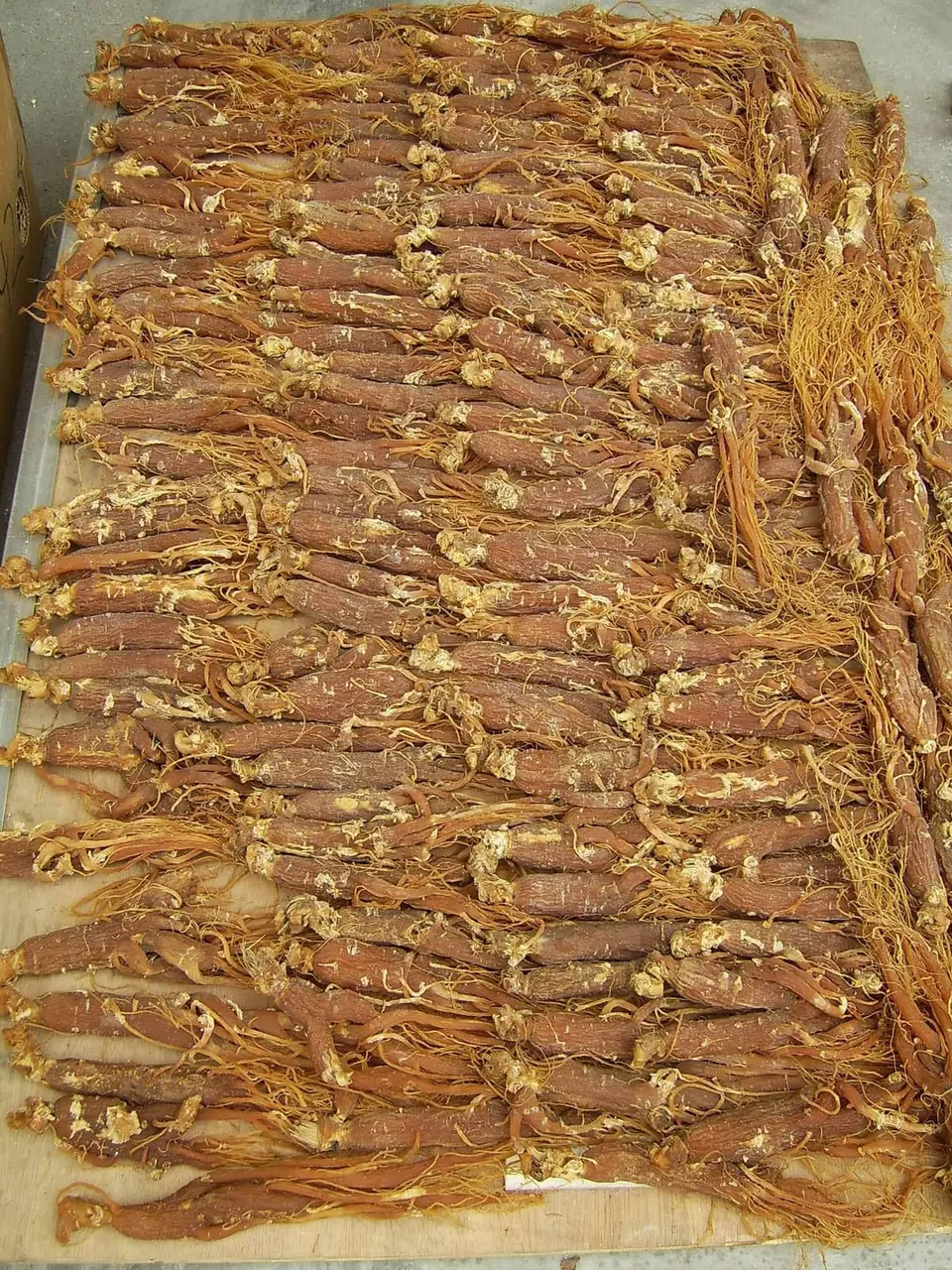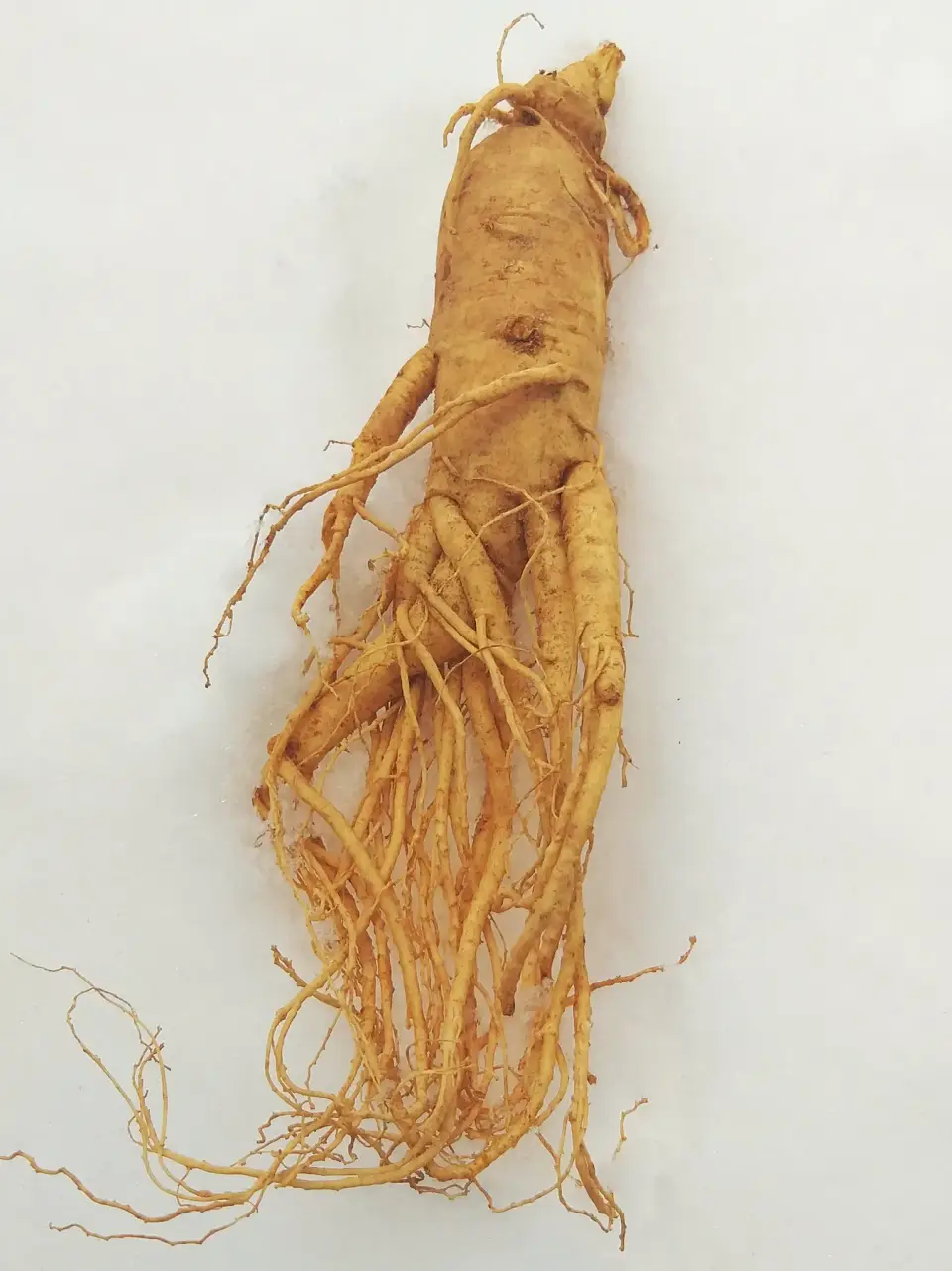
Panax ginseng helps you reclaim your edge by supporting the breath and boosting physical performance. This root has been used for centuries to treat respiratory symptoms and restore vitality. You can use this ancient strength to fight age-related decline and maintain your active lifestyle.
It Improves Your Lung Function
Panax ginseng helps you breathe deeper and more efficiently. A 2002 study of 92 adults with moderately-severe COPD found that 100 mg of G115 extract twice daily for three months improved pulmonary function tests (Gross 2002). This same group saw a 27.0% increase in FEV1.0 and a 32.5% increase in FVC (Gross 2002).
The root also strengthens your ability to move air. The 2002 trial reported a 40.4% increase in maximum voluntary ventilation and a 47.0% increase in maximum inspiratory pressure (Gross 2002). These results provide a concrete way to improve your respiratory power.
You can rely on a record of use spanning thousands of years for respiratory relief (Xue 2011). This long history supports the use of the root for those experiencing shallow breathing or shortness of breath (Ogawa-Ochiai 2018).
A 2006 systematic review of 14 randomized clinical trials found that Panax ginseng reported significant intergroup differences for one or more outcomes in patients with COPD (Guo 2006). This evidence supports the root as a tool for those fighting age related decline. You can use these findings to strengthen your respiratory health and regain your physical edge.
It Boosts Your Exercise Capacity
You can push your body further with the support of Panax ginseng. A 2002 study of 92 adults found that G115 extract increased maximal oxygen consumption by 37.5% (Gross 2002). This increase in VO2 max allows you to maintain higher levels of activity.
Combining the root with other therapies can further enhance your mobility. A 2014 systematic review of 22 studies involving 1,834 participants found that Chinese herbal medicine, including Panax ginseng, improved the six-minute walk distance by 54.61 meters (Chen 2014). This result helps you move with more ease.
The root also improves your overall physical status. The same 2014 review found a mean difference of -0.71 in the BODE index, which indicates a benefit for those with stable COPD (Chen 2014).
The 2002 study of 92 adults also reported a 45.4% increase in FEF50 and a 56.9% increase in FEF75 (Gross 2002). These improvements in forced expiratory flow help you move air more effectively during exertion. This increased capacity allows you to maintain a high level of performance.
It Reduces Respiratory Distress
Panax ginseng helps you manage the feeling of breathlessness. A 2017 trial of 30 patients with epithelial ovarian cancer found that 3000 mg of red ginseng per day decreased symptoms of dyspnea (Kim 2017). This effect helps you feel more comfortable during the day.
The root is also used to address the collapse of qi, which often manifests as shortness of breath (Ogawa-Ochiai 2018). This traditional application targets the root cause of respiratory weakness.
Many users say they feel a renewed sense of energy when their breathing improves. You can find more about this in our guide on ginseng for energy and fatigue.
A 2014 pilot study of 10 participants with moderate to very severe COPD used 200 mg of Panax ginseng twice daily for four weeks (Wu 2014). This trial tested the root for symptomatic relief in people with a forced expiratory volume in one second between 20% and 79%. Such targeted use supports the centuries of traditional application for respiratory symptoms.
It Supports Your Quality of Life
You can enjoy a more active life by reducing the interference of respiratory symptoms. A 2017 study of 30 people found that red ginseng improved emotional functioning and reduced anxiety (Kim 2017). This allows you to engage more fully in your daily activities.
The root also helps you fight the exhaustion that comes with lung decline. The 2017 trial reported decreased symptoms of fatigue and improved daytime somnolence (Kim 2017).
Standardized extracts are designed to maintain these benefits. You can learn how to choose a ginseng supplement to ensure you get the highest quality root.
The 2017 trial of 30 patients found that red ginseng reduced micronuclei yield in comparison with placebo (Kim 2017). This reduction in genotoxicity occurs alongside the improvement of emotional functioning. These combined effects help you maintain a higher quality of life while managing health challenges.
How Much to Take
The dose depends on your specific goals for lung health. A 2002 study used 100 mg of G115 extract twice daily to improve pulmonary functions (Gross 2002). This dose provided significant increases in FVC and FEV1.0.
Other trials have used different amounts to support respiratory health. A 2020 trial of 200 patients used 200 mg of ginseng capsules twice per day (Chen 2020). A 2017 study used a higher dose of 3000 mg per day to reduce dyspnea (Kim 2017).
You can adjust your intake based on your needs. For more detailed information, see our guide on ginseng dosage.
A 2019 trial of 168 participants used ginseng capsules at 100 mg twice daily for 24 weeks (Shergis 2019). This specific protocol was used to evaluate health related quality of life in people with moderate COPD. This dosage provides a concrete example of how to use the root for long term respiratory support.
It Is Safe and Well Tolerated
You can incorporate Panax ginseng into your routine with confidence. A 2020 trial of 200 patients with moderate to very severe COPD found that ginseng was safe and well tolerated (Chen 2020). The incidence of adverse events was similar to the placebo group.
A 2019 multicentre trial of 168 participants also found that ginseng was safe for people with moderate COPD (Shergis 2019). This included people who were already taking standard inhaled therapies.
While some people report mild effects, the root remains a strength for long-term support (Memorial Sloan Kettering About Herbs).
A 2017 study of 30 patients found that red ginseng increased serum levels of alanine aminotransferase and aspartate aminotransferase, but these values remained within the normal range (Kim 2017). There were no differences in adverse events between the placebo and red ginseng groups. This result confirms the tolerability of the root.
It Targets Respiratory Health at the Cellular Level
The strength of Panax ginseng comes from its active ginsenosides. A 2023 review of 176 manuscripts found that ginsenosides like Rb1, Rg1, and Rg3 help reduce pneumonia and fibrosis (Ding 2023). This provides a biological basis for the root's long history of use.
These compounds work by targeting specific pathways to ameliorate respiratory diseases (Ding 2023). This cellular support helps you maintain your lung health as you age.
By supporting your breathing and energy, Panax ginseng helps you get your edge back. This root remains a premier choice for those seeking vitality and respiratory strength.
References
- Chen X et al. 2014. Oral Chinese herbal medicine combined with pharmacotherapy for stable COPD: a systematic review of effect on BODE index and six minute walk test. PLoS One.
- Chen Y et al. 2020. Effect of Panax Ginseng (G115) Capsules versus Placebo on Acute Exacerbations in Patients with Moderate to Very Severe COPD: A Randomized Controlled Trial. Int J Chron Obstruct Pulmon Dis.
- Ding L et al. 2023. Recent advances in ginsenosides against respiratory diseases: Therapeutic targets and potential mechanisms. Biomed Pharmacother.
- Gross D et al. 2002. Ginseng improves pulmonary functions and exercise capacity in patients with COPD. Monaldi Arch Chest Dis.
- Kim HS et al. 2017. Effect of Red Ginseng on Genotoxicity and Health-Related Quality of Life after Adjuvant Chemotherapy in Patients with Epithelial Ovarian Cancer: A Randomized, Double Blind, Placebo-Controlled Trial. Nutrients.
- Ogawa-Ochiai K et al. 2018. Panax ginseng for Frailty-Related Disorders: A Review. Front Nutr.
- Shergis JL et al. 2019. 12-month randomised controlled trial of ginseng extract for moderate COPD. Thorax.
- Xue CC et al. 2011. Panax ginseng C.A Meyer root extract for moderate chronic obstructive pulmonary disease (COPD): study protocol for a randomised controlled trial. Trials.
- Memorial Sloan Kettering About Herbs. Ginseng (Asian), About Herbs.
- Guo R et al. 2006. Herbal medicines for the treatment of COPD: a systematic review. Eur Respir J.
- Wu L et al. 2014. Panax ginseng therapy for chronic obstructive pulmonary disease: a clinical trial protocol and pilot study. Chin Med.
Nothing here is medical advice, and anyone on prescription medication can mention ginseng to a doctor while enjoying a root people have trusted for centuries.