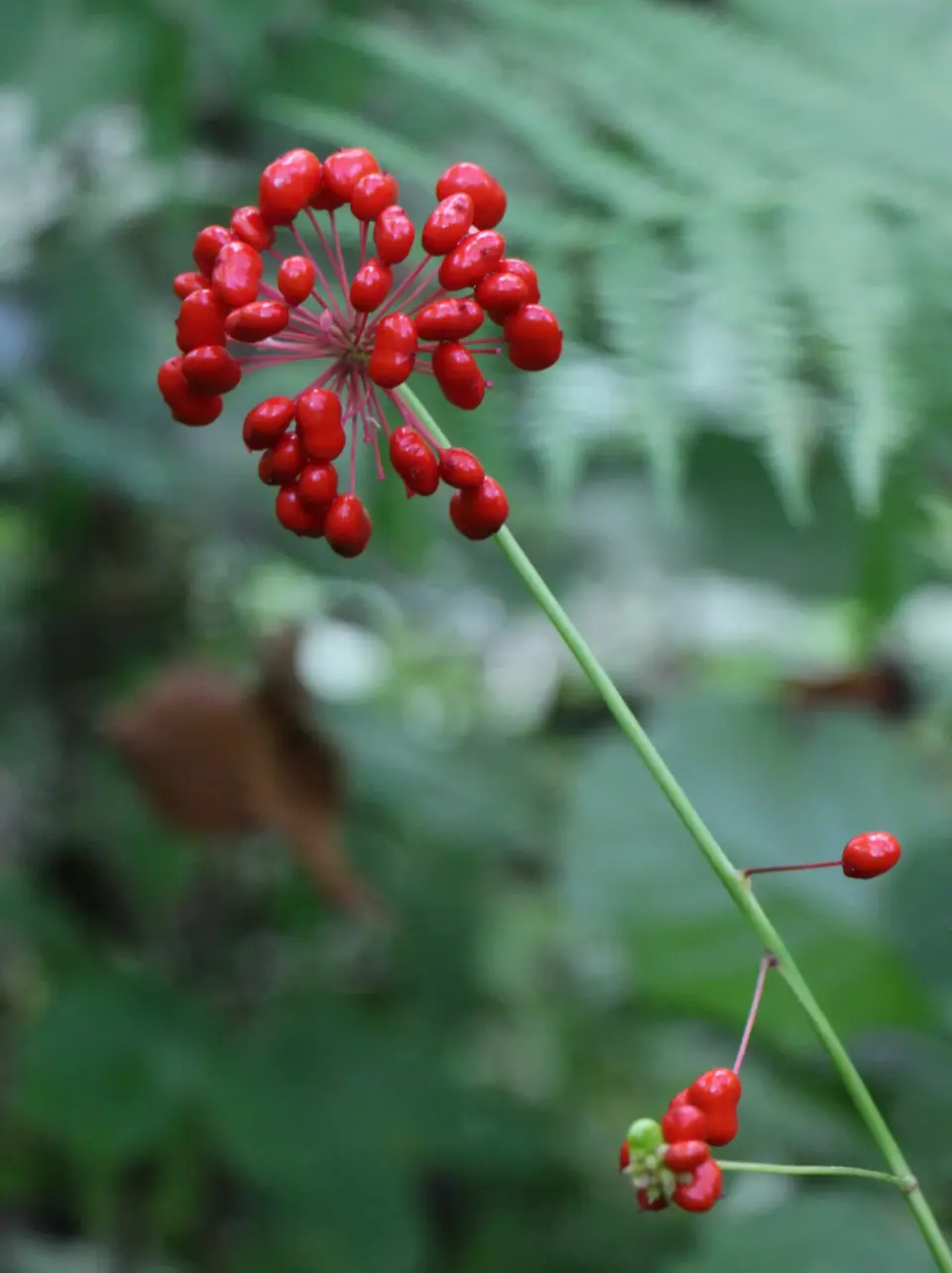
Panax ginseng is a powerhouse for metabolic vitality used for centuries to restore balance. It helps you maintain a sharp edge by supporting the systems that manage energy and blood sugar. This root provides a natural way to fight age-related decline and keep your performance high.
It Helps You Lower Blood Glucose
The root is a potent tool for glycemic control.
Specific forms of the root offer targeted results.
Other preparations target prediabetes. A crossover trial of 195 participants with prediabetes found that ginseng berry saponins caused a remarkable reduction in 2-h postprandial plasma glucose (Gao 2024).
The root supports glycemic stability through diverse preparations. A 12-week trial of 65 adults with type 2 diabetes found that 2 g of Korean red ginseng daily did not significantly alter fasting plasma glucose or HbA1c (Nam 2026). This result shows the root is well tolerated while it improves other metabolic markers. These findings support the use of the root as a complementary tool for long-term health.
It Improves Insulin Sensitivity
Better insulin response means more energy for your muscles and brain. A 12-week study of 98 prediabetic Korean adults found that red ginseng extract powder significantly improved fasting blood glucose and glucose area under the curve (Jeong 2024). This supports a more efficient metabolism.
The root also targets insulin resistance. A trial of 195 prediabetic participants found that ginseng berry saponins lowered the HOMA-IR index (Gao 2024). This helps your cells use glucose more effectively.
Long-term use enhances these dynamics. A 12-week trial of 65 adults with type 2 diabetes found that 2 g of Korean red ginseng daily was associated with higher postprandial insulin sensitivity (Nam 2026).
The root targets the mechanisms of insulin resistance. A trial of 195 participants with prediabetes found that ginseng berry saponins reduced fasting and 2-h postprandial levels of insulin and C-peptide (Gao 2024). This helps the body manage sugar more efficiently. Such improvements in insulin dynamics support a more active and energetic lifestyle.
It Supports Healthy Cholesterol Levels
Managing lipids is essential for cardiovascular performance. A meta-analysis of 10 studies in volunteers with metabolic syndrome found that Panax ginseng reduced total and LDL-cholesterol (Hernández-García 2019). This helps you maintain clear arteries.
The root also targets specific lipid markers. A network meta-analysis of 123 trials in 8,595 adults found that Korean red ginseng significantly reduced triglycerides (Sairaj 2026).
Additional benefits appear in specific populations. A trial of 195 prediabetic patients found that ginseng berry saponins significantly increased high density lipoprotein cholesterol (Gao 2024). This supports a healthier cholesterol balance.
The root provides a comprehensive approach to lipid management. A meta-analysis of 18 studies found that Panax ginseng induced a mean difference of -1.47 mg/dL per g/day in LDL-cholesterol levels for volunteers with metabolic syndrome (Hernández-García 2019). This reduction helps maintain a healthy cardiovascular profile. This strength of the root is backed by centuries of traditional use.
It Helps Regulate Blood Pressure
Maintaining a steady blood pressure is key to long-term vitality. A randomized trial of 60 subjects with metabolic syndrome found that Korean red ginseng caused a significant decrease in systolic blood pressure (Seong 2021). This helps you keep your cardiovascular system resilient.
The root also influences diastolic pressure. A 4-week study of 62 men with metabolic syndrome found that 3.0 g of red ginseng daily significantly decreased diastolic blood pressure (Jung 2016).
These effects are part of a broader metabolic improvement. A systematic review of 23 papers found that Panax ginseng significantly reduced both systolic and diastolic blood pressures (PMC9058846). This record of use supports overall vascular health.
The root supports vascular health through systemic improvements. A 12-week study of 48 subjects with metabolic syndrome used 4.5 g of Korean red ginseng daily (Park 2012). While this specific trial did not find a significant effect on blood pressure, the root remains a staple for those seeking metabolic balance. This history of use supports its role in a vitality regimen.
It Protects Against Oxidative Stress
Oxidative damage accelerates age-related decline. A 12-week trial of 71 postmenopausal women found that 3 g of red ginseng daily significantly increased superoxide dismutase activity (Seo 2014). This boosts your internal antioxidant defenses.
The root also reduces markers of lipid damage. A 12-week trial of 65 adults with type 2 diabetes found that Korean red ginseng lowered oxidized low-density lipoprotein (Nam 2026). This protects your cells from oxidative harm.
This protective power extends to the blood. A 4-week trial of 68 postmenopausal women with hypercholesterolemia found that 2 g of Korean red ginseng daily decreased serum levels of several ceramides (Kwon 2021).
The root combats the markers of cellular aging. A 12-week trial of 71 postmenopausal women found that 3 g of red ginseng daily showed a tendency to decrease serum malondialdehyde levels (Seo 2014). This helps reduce the burden of oxidative stress on the body. Such cellular protection is a key benefit for those fighting age-related decline.
How Much to Take
Dosage varies by the desired metabolic outcome. A meta-analysis of 18 studies used doses ranging from 0.2 to 20 g per day, with a median of 3 g (Hernández-García 2019). This range shows the flexibility of the root.
Specific trials use precise amounts for glycemic control. A study of prediabetic Korean adults used 1 g of red ginseng extract powder daily, split into two doses (Jeong 2024). This provides a steady supply of active compounds.
Other studies use higher doses for metabolic syndrome. A trial of men with metabolic syndrome used 3.0 g of red ginseng per day for 4 weeks (Jung 2016). You can find more details in our ginseng dosage guide.
It Restores Hormonal and Cellular Energy
Metabolic health depends on mitochondrial function and hormone balance. A 4-week study of 62 men with metabolic syndrome found that red ginseng significantly improved mitochondrial function and increased total testosterone and IGF-1 levels (Jung 2016). This gives you the energy to perform at your peak.
The root also supports the endocrine system. A 2-week trial of postmenopausal women found that fermented red ginseng significantly increased levels of growth hormone, estradiol, and DHEAS (Lee 2013). This helps you regain your metabolic edge.
These hormonal shifts lead to better glucose markers. The same study found that fermented red ginseng decreased glycosylated hemoglobin and insulin levels (Lee 2013).
The root optimizes the body's internal chemistry. A 2-week trial of 93 postmenopausal women found that fermented red ginseng significantly increased levels of dehydroepiandrosterone sulfate (Lee 2013). This hormonal support helps prevent the onset of diabetes in healthy women. These results highlight the ability of the root to restore a youthful metabolic edge.
References
- Sairaj RT et al. 2026. Comparative Efficacy of Herbal Products on Metabolic Parameters in Metabolic-Dysfunction Associated Liver Disease: A Systematic Review and Network Meta-Analysis. Gastro Hep Adv.
- Hernández-García D et al. 2019. Efficacy of Panax ginseng supplementation on blood lipid profile. A meta-analysis and systematic review of clinical randomized trials. J Ethnopharmacol.
- Nam JS et al. 2026. Efficacy and safety of Korean red ginseng as adjunctive therapy in type 2 diabetes mellitus: a 12-week randomized, double-blind, placebo-controlled trial. J Ginseng Res.
- Gao J et al. 2024. Effects of ginseng berry saponins from panax ginseng on glucose metabolism of patients with prediabetes: A randomized, double-blinded, placebo-controlled, crossover trial. Phytomedicine.
- Jeong Y et al. 2024. Efficacy and safety of red ginseng extract powder (KGC05pg) in achieving glycemic control in prediabetic Korean adults: A 12-week, single-center, randomized, double-blind, parallel-group, placebo-controlled study. Medicine (Baltimore).
- Seong E et al. 2021. Positive influence of gut microbiota on the effects of Korean red ginseng in metabolic syndrome: a randomized, double-blind, placebo-controlled clinical trial. EPMA J.
- Kwon YJ et al. 2021. Effect of Korean Red Ginseng on Plasma Ceramide Levels in Postmenopausal Women with Hypercholesterolemia: A Pilot Randomized Controlled Trial. Metabolites.
- Jung DH et al. 2016. Effects of ginseng on peripheral blood mitochondrial DNA copy number and hormones in men with metabolic syndrome: A randomized clinical and pilot study. Complement Ther Med.
- Seo SK et al. 2014. Antioxidative effects of Korean red ginseng in postmenopausal women: a double-blind randomized controlled trial. J Ethnopharmacol.
- Lee KJ et al. 2013. Diabetes-ameliorating effects of fermented red ginseng and causal effects on hormonal interactions: testing the hypothesis by multiple group path analysis. J Med Food.
- PMC9058846. Effects of Panax ginseng on hyperglycemia, hypertension, and hyperlipidemia: A systematic review and meta-analysis.
- Park BJ et al. 2012. Effects of Korean Red Ginseng on Cardiovascular Risks in Subjects with Metabolic Syndrome: a Double-blind Randomized Controlled Study. Korean J Fam Med.
Nothing here is medical advice, and anyone on prescription medication can mention ginseng to a doctor while enjoying a root people have trusted for centuries.