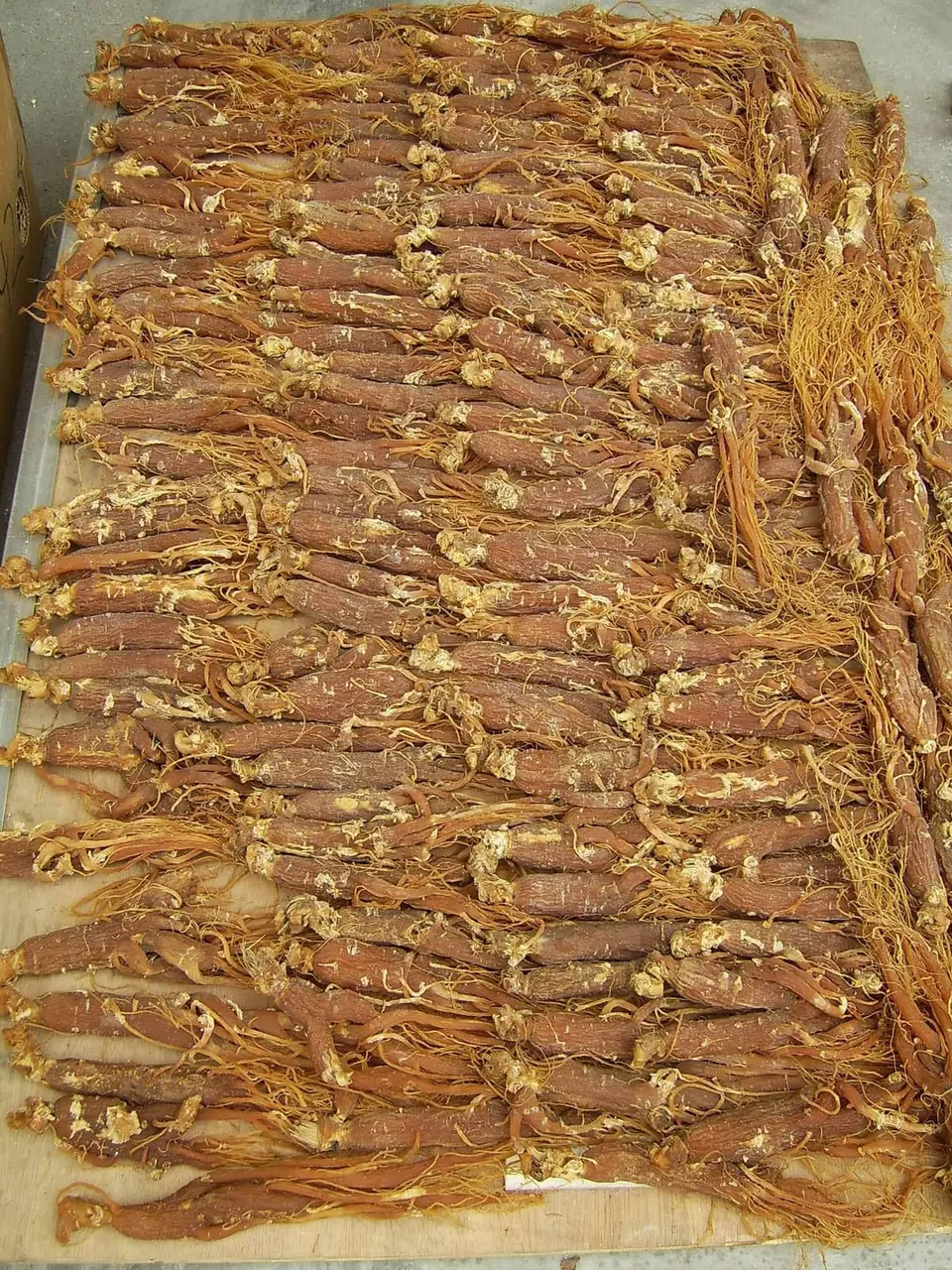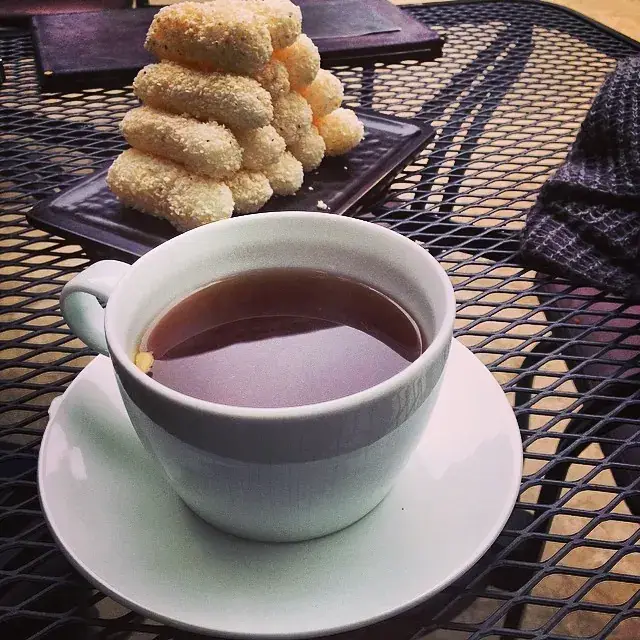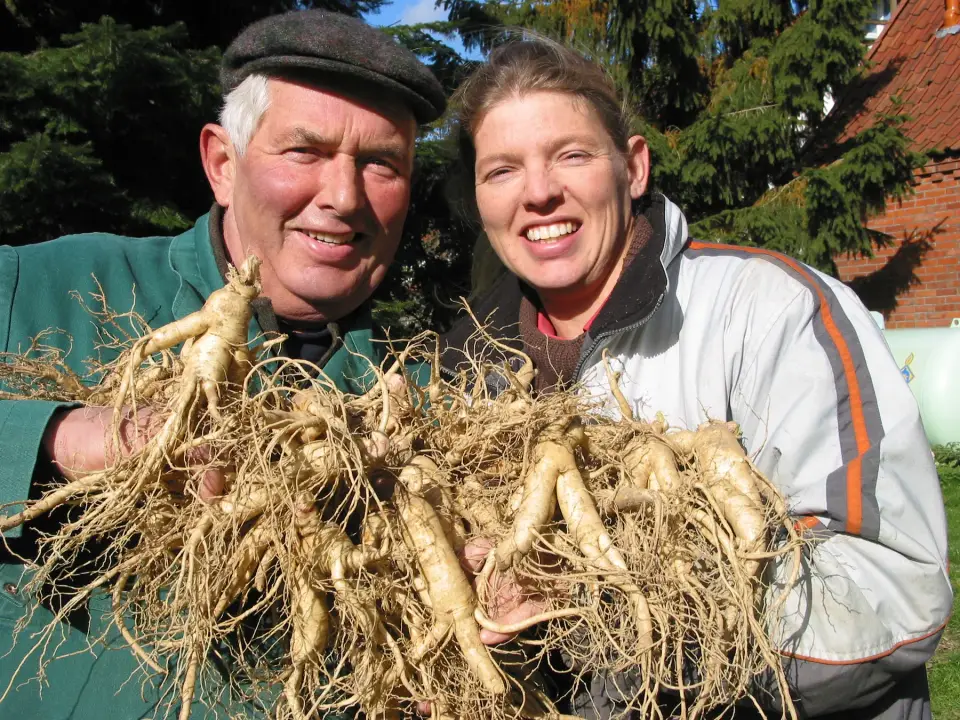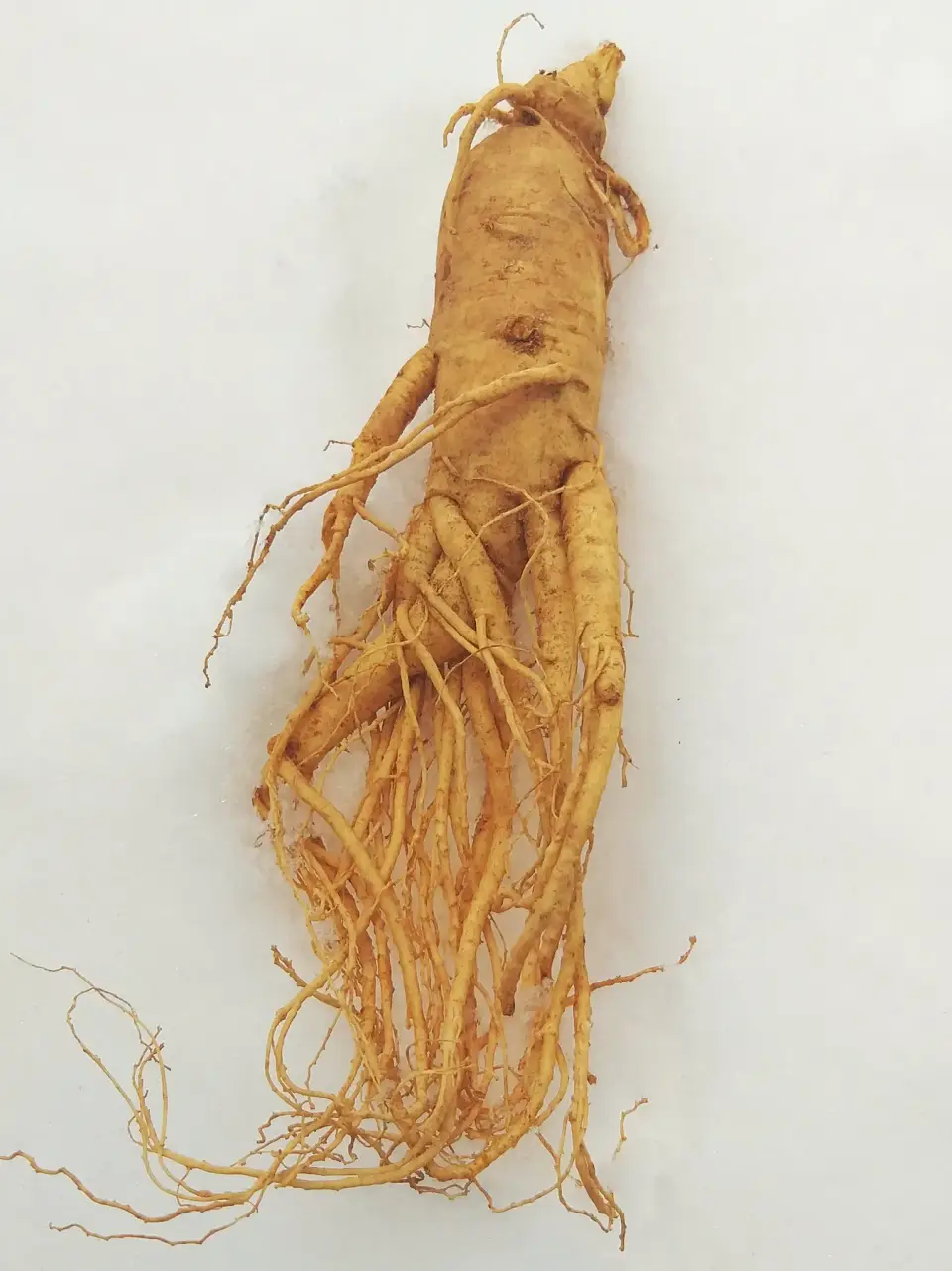
Panax ginseng helps you reclaim your vitality and mental edge. This root has been used for centuries to support the body during times of pressure. It acts as an adaptogen to help you resist physiological and psychological stress (NCCIH).
It Helps You Feel Less Stressed
Modern research confirms the root's traditional strength in managing mental pressure. A 2025 randomized, double-blind study of 149 moderately stressed adults found that 200 mg of Red Panax ginseng daily for 3 weeks led to significantly larger decreases in perceived stress levels and negative affect scores compared to a placebo (Dormal 2025). You can use this root to lower your perceived stress.
The root also supports a healthier emotional state. In the same 2025 trial, participants taking the root showed a larger decrease in depression scores (Dormal 2025). This makes the root a powerful tool for emotional stability.
It provides a concrete way to manage the demands of a high-pressure lifestyle. You can regain your composure and performance.
The root provides a strong foundation for mental health in postmenopausal women. A 2014 study of 93 women found that fermented red ginseng consumption influenced cognitive depression through an energy factor mainly attributable to cholesterol (Lee 2014). This support helps you maintain a positive outlook. You can use this root to stabilize your mood and resist the emotional decline often associated with aging.
It Balances Your Stress Hormones
Adaptogens work by stabilizing the systems that respond to pressure. A 2023 randomized, double-blind trial of 87 healthy men found that Korean Red Ginseng preserved the decrease of epinephrine over 8 weeks (Yoon 2023). This stabilization helps you maintain a steady internal balance.
The root is especially effective when stress levels are high. In a subgroup of the 2023 study, those with increased stress showed a smaller increase in cortisol and a smaller decrease in serotonin compared to the placebo group (Yoon 2023). This prevents the hormonal crashes that lead to burnout.
Physical stress also triggers a response that the root can mitigate. A 2018 double-blind study of 19 adults found that 960 mg of fermented ginseng produced dose-dependent reductions in circulating cortisol after intense exercise (Flanagan 2018). This reduction in cortisol protects your system from overexposure to stress hormones.
The root regulates the autonomic nervous system to maintain metabolic stability. A 2014 study of 93 postmenopausal women found that the path coefficients of cortisol and the branchial pulse for free fatty acids were significantly different between the fermented red ginseng group and the placebo group (Lee 2014). This hormonal regulation protects your metabolism from the effects of chronic pressure. You can maintain a balanced internal environment.
It Protects Your Brain from Oxidative Stress
Psychological pressure often creates oxidative stress in the body. A 2017 randomized placebo-controlled study of 65 healthy volunteers found that 500 mg of Panax ginseng daily for one month led to a significant reduction in malondialdehyde serum levels (Al-Kuraishy 2017). This reduction lowers the oxidative damage caused by stress.
Reducing this chemical stress allows you to maintain a higher level of eustress, which is the positive form of stress that drives performance (Al-Kuraishy 2017). You can turn pressure into a catalyst for success.
It ensures that your body remains resilient even under heavy workloads. You can protect your long-term health while pursuing your goals.
The root reduces cellular damage in those facing severe health challenges. A 2017 randomized trial of 30 patients with epithelial ovarian cancer found that red ginseng reduced micronuclei yield in comparison with placebo (Kim 2017). This reduction in genotoxicity protects your cells from oxidative stress. You can support your long term health with this root.
It Sharpens Your Focus Under Pressure
Stress often clouds your thinking and slows your reactions. A 2025 study of 149 adults found that those taking 200 mg of Red Panax ginseng daily showed faster response latencies during spatial planning tasks (Dormal 2025). This means you can think more clearly when the stakes are high.
The root also stabilizes the sympathetic nervous system to improve cognition. A 6-week randomized trial of 63 high-stress subjects found that Korean Red Ginseng decreased epinephrine levels and improved performance on a visually controlled continuous performance test (PubMed 31308812). This allows you to maintain your cognition during crises.
By calming the fight-or-flight response, the root restores your mental precision. You can execute complex tasks with greater speed and accuracy. This is how you get your professional edge back.
The root supports cognitive function in older adults who notice a decline in their mental speed. A 2019 protocol for a 26 week trial of 120 older adults with subjective cognitive impairment aims to test a formula containing Panax ginseng to enhance visual short term memory and attention (Cave 2019). This focus on neurocognition helps you keep your mental edge. You can fight the fog of age and stay productive.
It Fights Age-related Fatigue
As you age, the ability to recover from stress declines. A 2025 randomized, double-blind study of 46 middle-aged Japanese adults found that 960 mg of Korean Red Ginseng extract for 3 weeks significantly decreased fatigue scores (Lee 2025). This helps you overcome the midday slump.
The root is particularly effective for those over 50. A 2020 randomized trial of 50 patients with chronic fatigue found that those older than 50 with moderate fatigue had significantly greater reductions in fatigue scores when using 3 g of Korean red ginseng (Sung 2020). You can restore your energy and stamina.
Many users say they feel a renewed sense of vigor. This vitality allows you to remain active and productive well into your 50s and 60s. The root supports a high quality of life.
The root provides significant relief for those experiencing the most severe forms of exhaustion. A 2017 randomized trial of 112 evaluable patients with cancer related fatigue found that 400 mg of standardized Panax ginseng twice daily resulted in significant improvement in the FACIT F subscale (Yennurajalingam 2017). This improvement in fatigue scores helps you regain your strength. You can return to your daily activities with more energy.
It Improves Your Overall Quality of Life
The root does more than just lower stress; it elevates your daily experience. A 2017 randomized trial of 30 patients with epithelial ovarian cancer found that 3000 mg of red ginseng daily for three months improved emotional functioning and reduced anxiety (Kim 2017). This improvement extends to those facing the most severe forms of stress.
It also helps you sleep better and feel more refreshed. A preliminary study of 30 patients with cancer-related fatigue found that 800 mg of Panax ginseng daily improved sleep at night and overall well-being (Yennurajalingam 2015). Better sleep is a foundation for better stress management.
Even in the context of chemotherapy, fermented red ginseng extract significantly improved psychological status and quality of life in 60 patients (Jiang 2017). This demonstrates the profound resilience the root provides.
How Much to Take for Stress Relief
The dosage for stress and fatigue varies based on the desired outcome. For perceived stress and cognitive speed, 200 mg per day has proven effective over 3 weeks (Dormal 2025). You can find more details in our ginseng dosage guide.
For more intense fatigue or hormonal balance, higher doses are often used. Studies have used 960 mg to reduce cortisol responses to physical stress (Flanagan 2018) or 3 g to improve mitochondrial function and lower serum cortisol in men with metabolic syndrome (Jung 2016). These higher amounts support deep systemic recovery.
Most users find the benefits to their vitality far outweigh any mild adjustments. You can choose the dose that best restores your performance.
The root remains a gold standard for those fighting age-related decline. By balancing hormones and protecting the brain, it allows you to face stress with confidence. You can reclaim your vitality and stay sharp.
References
- Dormal V et al. 2025. Effect of Hydroponically Grown Red Panax Ginseng on Perceived Stress Level, Emotional Processing, and Cognitive Functions in Moderately Stressed Adults: A Randomized, Double-Blind, Placebo-Controlled Study. Nutrients.
- Lee YG et al. 2025. Anti-fatigue effects of Korean Red Ginseng extract in healthy Japanese adults: A randomized, double-blind, placebo-controlled study. J Ginseng Res.
- Yoon J et al. 2023. The effects of Korean Red Ginseng on stress-related neurotransmitters and gene expression: A randomized, double-blind, placebo-controlled trial. J Ginseng Res.
- Sung WS et al. 2020. Efficacy of Korean red ginseng (Panax ginseng) for middle-aged and moderate level of chronic fatigue patients: A randomized, double-blind, placebo-controlled trial. Complement Ther Med.
- Flanagan SD et al. 2018. The Effects of a Korean Ginseng, GINST15, on Hypo-Pituitary-Adrenal and Oxidative Activity Induced by Intense Work Stress. J Med Food.
- Al-Kuraishy HM et al. 2017. Eustress and Malondialdehyde (MDA): Role of Panax Ginseng: Randomized Placebo Controlled Study. Iran J Psychiatry.
- Kim HS et al. 2017. Effect of Red Ginseng on Genotoxicity and Health-Related Quality of Life after Adjuvant Chemotherapy in Patients with Epithelial Ovarian Cancer: A Randomized, Double Blind, Placebo-Controlled Trial. Nutrients.
- Jiang SL et al. 2017. Adjuvant effects of fermented red ginseng extract on advanced non-small cell lung cancer patients treated with chemotherapy. Chin J Integr Med.
- Yennurajalingam S et al. 2015. High-Dose Asian Ginseng (Panax Ginseng) for Cancer-Related Fatigue: A Preliminary Report. Integr Cancer Ther.
- Jung DH et al. 2016. Effects of ginseng on peripheral blood mitochondrial DNA copy number and hormones in men with metabolic syndrome: A randomized clinical and pilot study. Complement Ther Med.
- PubMed 31308812. Effect of Korean Red Ginseng in individuals exposed to high stress levels: a 6-week, double-blind, randomized, placebo-controlled trial.
- NCCIH. Asian Ginseng: Usefulness and Safety.
- Lee KJ et al. 2014. The effect of fermented red ginseng on depression is mediated by lipids. Nutr Neurosci.
- Lee KJ et al. 2014. Free-fatty-acid-regulating effects of fermented red ginseng are mediated by hormones and by the autonomic nervous system. J Ginseng Res.
- Cave AE et al. 2019. Efficacy of Cognition Support Formula® on cognitive function in older adults with subjective cognitive impairment: a protocol for a 26-week, randomised, double-blind, placebo-controlled trial. Trials.
- Yennurajalingam S et al. 2017. A Double-Blind, Randomized, Placebo-Controlled Trial of Panax Ginseng for Cancer-Related Fatigue in Patients With Advanced Cancer. J Natl Compr Canc Netw.
Nothing here is medical advice, and anyone on prescription medication can mention ginseng to a doctor while enjoying a root people have trusted for centuries.