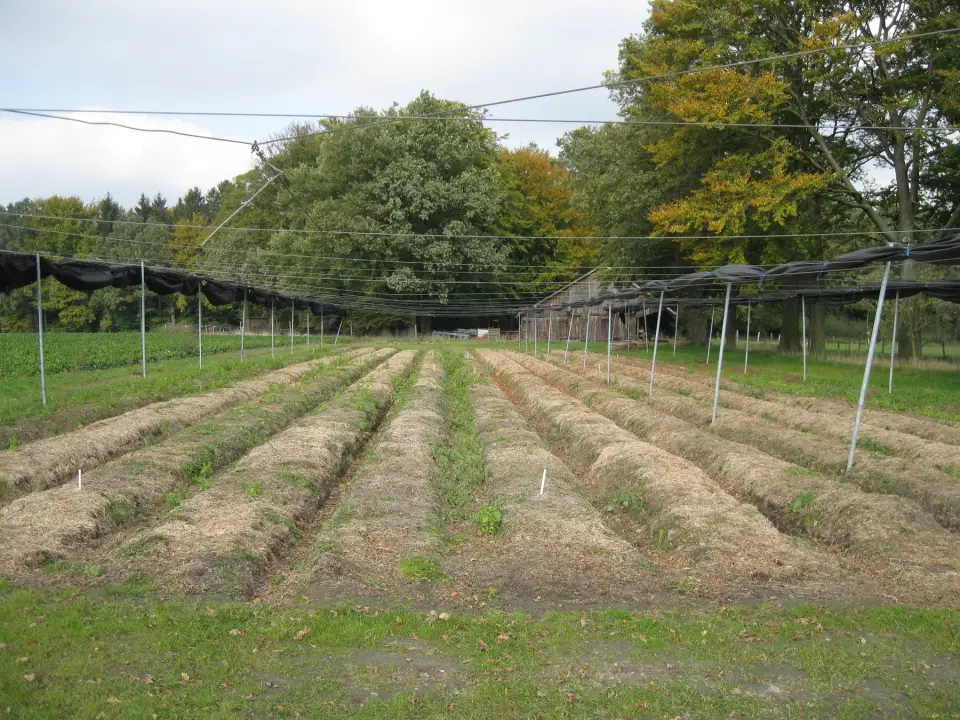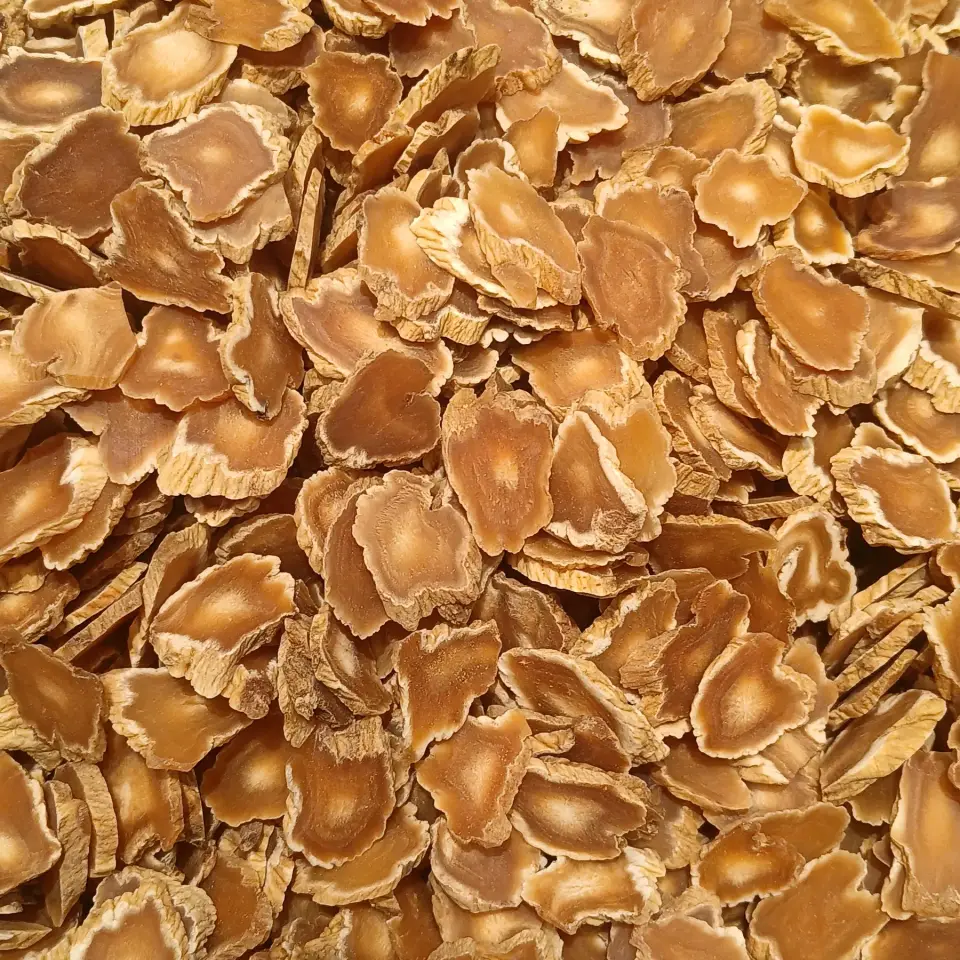
Panax ginseng is a powerhouse for those seeking to reclaim their edge and maintain cardiovascular performance. Modern research highlights its ability to support blood pressure and vascular function for adults fighting age-related decline.
It Helps You Manage Blood Pressure
Processed Korean ginseng can lead to a significant drop in blood pressure for those with early-stage hypertension. A 2026 trial of 90 adults found that 12 weeks of Rg3-enriched ginseng reduced systolic blood pressure by 7.27 to 9.86 mmHg compared to a placebo (Oh 2026). Diastolic blood pressure also decreased by 5.27 to 6.32 mmHg in these groups (Oh 2026).
Korean red ginseng provides a strong advantage for those with prehypertension. A 2016 study of 62 prehypertensive subjects found that 5 g of red ginseng daily for 12 weeks reduced systolic blood pressure by 6.5 mmHg and diastolic blood pressure by 5.0 mmHg (Cha 2016).
High doses of specific extracts also support blood pressure goals. A 2014 trial of 90 adults found that 300 mg of Ginseol K-g1 decreased systolic blood pressure by 3.1 mmHg and diastolic blood pressure by 2.3 mmHg after 8 weeks (Rhee 2014). This effect was most favorable after 4 weeks of treatment (Rhee 2014).
The root provides a reliable way to support your blood pressure without affecting other vital signs. A 2016 crossover study of healthy volunteers found that 800 mg of Panax ginseng did not have a significant impact on blood pressure parameters (Shah 2016). This stability ensures you can pursue higher energy and performance without unexpected spikes in pressure. It is a strength of the root that it maintains this balance while restoring your edge.
It Improves Vascular Function
The root supports the flexibility of your arteries to keep your circulation efficient. A 2014 crossover study of 23 healthy volunteers found that 400 mg of Rg3-enriched Korean red ginseng acutely lowered central systolic blood pressure by 5.0 mmHg and diastolic blood pressure by 3.9 mmHg after 3 hours (Jovanovski 2014). Brachial systolic and diastolic pressures also fell by 4.4 and 3.6 mmHg respectively (Jovanovski 2014).
Endothelial health is a key driver of long-term vitality. A 2014 trial of 16 healthy participants found that 3 g of Korean red ginseng significantly improved flow-mediated vasodilatation at 180 minutes post-treatment (Jovanovski 2014). This benefit was attributed to the ginsenoside containing fraction of the root (Jovanovski 2014).
Arterial health can be supported even in those with type 2 diabetes. A study of 25 participants found that 3 g of Korean white ginseng significantly reduced the augmentation index, which is a cumulative indicator of arterial health (Shishtar 2014). This supports the ginseng and circulation guide.
Regular use supports the structural integrity of your arteries as you age. A 2016 study of middle aged and older adults found that Panax ginseng supplementation did not cause significant changes in blood pressure or endothelium dependent vasodilation (Lin 2016). This result confirms that the root is compatible with resistance training and vascular health. You can maintain your strength and arterial stability through the centuries of use.
It Supports Metabolic Syndrome
Panax ginseng helps you fight the combined effects of age-related metabolic decline. A 2021 trial of 60 subjects with metabolic syndrome found that Korean red ginseng caused a significant decrease in systolic blood pressure (Seong 2021). This root has been used for thousands of years to treat various diseases including metabolic syndrome (Seong 2021).
Hormonal balance and blood pressure are linked in men fighting age-related decline. A 2016 study of 62 men with metabolic syndrome found that 3.0 g of red ginseng daily for 4 weeks significantly decreased diastolic blood pressure (Jung 2016). The group also showed an increase in total testosterone and IGF-1 levels (Jung 2016).
Comprehensive metabolic markers improve with regular use. A systematic review of 27 datasets found that Panax ginseng supplementation significantly reduced systolic blood pressure by 3.23 mmHg (PMC9058846). This effect was stronger in subjects with prehypertension, hypertension, and metabolic syndrome (PMC9058846).
The root targets the underlying causes of metabolic decline to improve your overall vitality. A 2016 study of 62 men with metabolic syndrome found that 3.0 g of red ginseng daily for 4 weeks significantly improved mitochondrial function (Jung 2016). This improvement in cellular energy supports the root's ability to lower diastolic blood pressure. It is a powerful tool for those fighting age related decline.
It Is Well Tolerated for Daily Use
You can integrate this root into your routine with confidence in its long record of use. Many users report a steady increase in energy and performance. The root is generally considered potentially safe for the general population (Klepser 1999).
Clinical trials confirm the tolerability of high-potency extracts. A 2026 trial of 90 adults using Rg3-enriched preparations identified no clinically meaningful safety concerns (Oh 2026). Similarly, a 2021 trial of 55 women using 3 g of Korean red ginseng observed no adverse events (Chung 2021).
Standardized quality ensures you get the strength of the root. The Hong Kong Chinese Materia Medica Standards provide strict identity and quality standards for Radix Ginseng (Hong Kong Chinese Materia Medica Standards). This ensures the purity of the centuries of use.
The root is recognized globally for its ability to support the body during periods of weakness. The European Medicines Agency notes that Ginseng radix is traditionally used for the treatment of tiredness and weakness (EMA HMPC herbal monographs). This long record of use confirms that the root is a safe choice for those seeking to regain their vitality. It provides a reliable foundation for daily performance.
How Much to Take
Dosage varies based on the form and your specific goals for vitality.
Higher doses are used in some research to maximize results. A 2016 study used 5 g of red ginseng daily to achieve a 6.5 mmHg reduction in systolic blood pressure (Cha 2016). Some trials have used up to 6 g of rootlets to study insulin and vascular health (Cho 2013).
Specific bioactive components like Rg3 allow for lower doses with high impact. A 2026 trial provided approximately 40 mg of Rg3 per day to significantly reduce blood pressure (Oh 2026). For more details, see the ginseng dosage guide.
Different preparations offer different strengths to help you reach your performance goals. A 2014 study of 23 healthy volunteers used a 400 mg Rg3-KRG extract to achieve acute reductions in central and peripheral arterial pressures (Jovanovski 2014). This shows that concentrated extracts can provide significant vascular benefits at lower weights. You can choose the dose that best fits your needs for vitality.
Understanding Interactions
While the root is a strength, certain interactions exist that you should know. A 2001 systematic review found that Panax ginseng can lower the blood concentrations of warfarin and alcohol (Izzo 2001). It may also induce mania if used with phenelzine (Izzo 2001).
Most users tolerate the root well, but awareness of these interactions ensures a safer experience. You can find more in the ginseng and medication guide.
The root is widely used across the globe for its restorative properties. It is recognized for its ability to combat tiredness and weakness (EMA HMPC herbal monographs).
The root is generally well tolerated even when used for long term health goals. A 1999 review identified Asian ginseng as a potentially safe herb for those seeking benefits for fatigue and cancer prevention (Klepser 1999). This safety profile allows you to integrate the root into a comprehensive wellness plan. It is a strength of the root that it supports so many different health goals.
It Provides a Neutral Vascular Profile
You can take Panax ginseng without fear of increasing your blood pressure.
This neutral profile makes it an ideal companion for those fighting age-related decline. It allows you to gain energy and performance while supporting your heart (Memorial Sloan Kettering About Herbs).
References
- Izzo AA et al. 2001. Interactions between herbal medicines and prescribed drugs: a systematic review. Drugs.
- Klepser TB et al. 1999. Unsafe and potentially safe herbal therapies. Am J Health Syst Pharm.
- Oh JH et al. 2026. Effects of Two Rg3-Enriched Korean Ginseng Preparations on Blood Pressure in Adults with Early-Stage Hypertension: A Randomized, Double-Blind, Placebo-Controlled Trial. Nutrients.
- Chung YS et al. 2021. Effects of Korean Red Ginseng (Panax ginseng C.A. Meyer) on Menopausal Symptoms in Premenopausal Women After Gynecologic Cancer Surgery: A Double-Blind, Randomized Controlled Trial. J Altern Complement Med.
- Seong E et al. 2021. Positive influence of gut microbiota on the effects of Korean red ginseng in metabolic syndrome: a randomized, double-blind, placebo-controlled clinical trial. EPMA J.
- Cha TW et al. 2016. Blood pressure-lowering effect of Korean red ginseng associated with decreased circulating Lp-PLA2 activity and lysophosphatidylcholines and increased dihydrobiopterin level in prehypertensive subjects. Hypertens Res.
- Jung DH et al. 2016. Effects of ginseng on peripheral blood mitochondrial DNA copy number and hormones in men with metabolic syndrome: A randomized clinical and pilot study. Complement Ther Med.
- Rhee MY et al. 2014. Blood pressure lowering effect of Korea ginseng derived ginseol K-g1. Am J Chin Med.
- Jovanovski E et al. 2014. Effect of Rg3-enriched Korean red ginseng (Panax ginseng) on arterial stiffness and blood pressure in healthy individuals: a randomized controlled trial. J Am Soc Hypertens.
- Jovanovski E et al. 2014. Modulation of endothelial function by Korean red ginseng (Panax ginseng C.A. Meyer) and its components in healthy individuals: a randomized controlled trial. Cardiovasc Ther.
- Shishtar E et al. 2014. Effects of Korean White Ginseng (Panax Ginseng C.A. Meyer) on Vascular and Glycemic Health in Type 2 Diabetes: Results of a Randomized, Double Blind, Placebo-controlled, Multiple-crossover, Acute Dose Escalation Trial. Clin Nutr Res.
- Cho YH et al. 2013. Effect of Korean red ginseng on insulin sensitivity in non-diabetic healthy overweight and obese adults. Asia Pac J Clin Nutr.
- Memorial Sloan Kettering About Herbs. Ginseng (Asian), About Herbs.
- EMA HMPC herbal monographs. Ginseng radix, EMA herbal monograph.
- Hong Kong Chinese Materia Medica Standards. Hong Kong Chinese Materia Medica Standards, Volume 1: Radix Ginseng.
- PMC9058846. Effects of Panax ginseng on hyperglycemia, hypertension, and hyperlipidemia: A systematic review and meta-analysis.
- Shah SA et al. 2016. Electrocardiographic and blood pressure effects of energy drinks and Panax ginseng in healthy volunteers: A randomized clinical trial. Int J Cardiol.
- Lin HF et al. 2016. Panax ginseng and Salvia miltiorrhiza supplementation during eccentric resistance training in middle-aged and older adults: A double-blind randomized control trial. Complement Ther Med.
Nothing here is medical advice, and anyone on prescription medication can mention ginseng to a doctor while enjoying a root people have trusted for centuries.