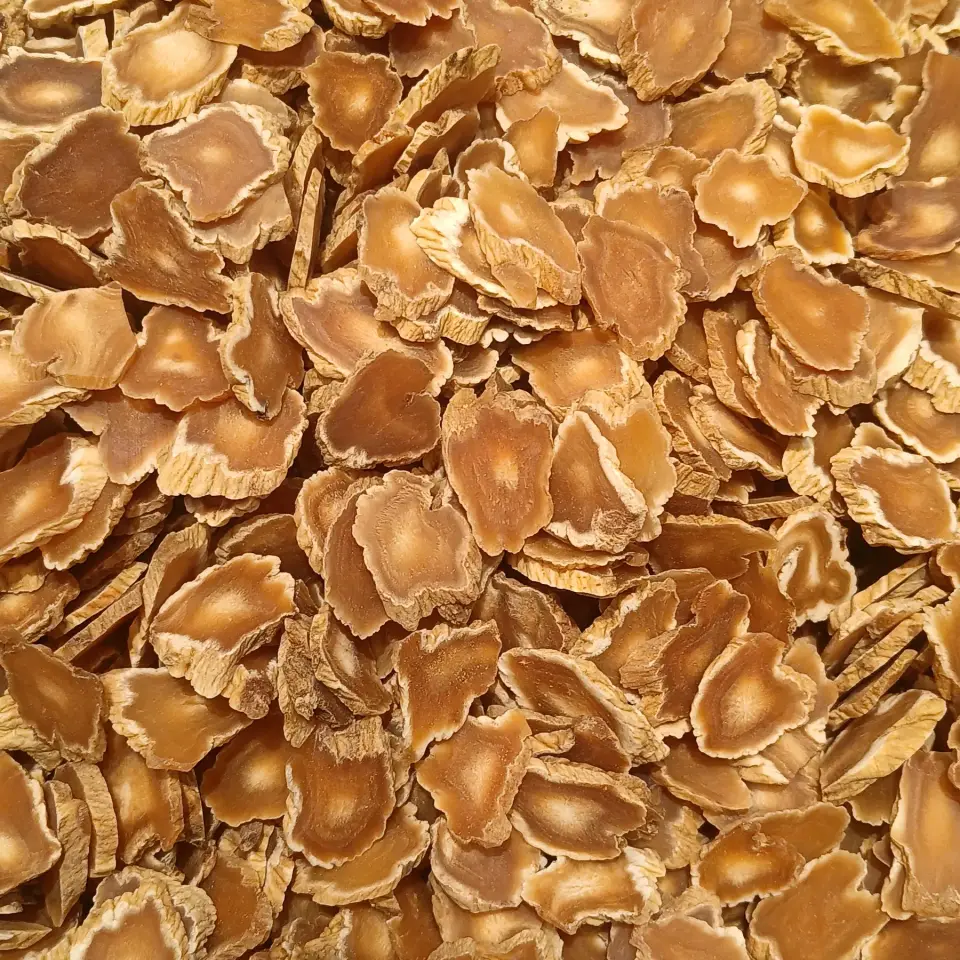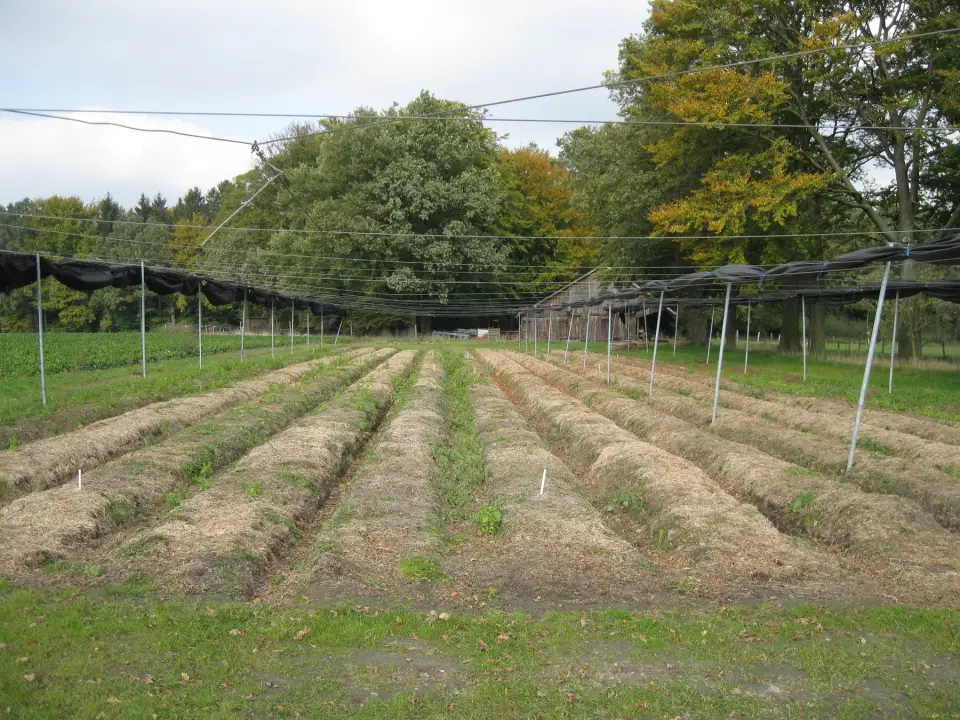
Panax ginseng supports your vitality and helps you regain your edge through centuries of use. This root provides the energy needed for high performance while supporting a balanced internal state. It helps you maintain a sharp mind and a rested body for better daily performance.
It Helps You Feel More Rested
Panax ginseng has a long history of use for those fighting age-related decline.
Many users say the root helps them wake up feeling refreshed. A 2013 systematic review of 30 randomized clinical trials found that red ginseng had significant effects on total sleep time (Choi 2013). This result supports the use of the root for those seeking better sleep duration.
The root is often used as a general tonic to restore strength. A 2015 study of 30 patients with cancer-related fatigue found that 800 mg of Panax ginseng daily for 29 days improved sleep at night (Yennurajalingam 2015). This improvement in rest helps patients regain their strength.
A 2020 trial of 50 patients with chronic fatigue used 3 g of Korean red ginseng for 6 weeks (Sung 2020). The study measured sleep using the Insomnia Severity Index. This approach helps identify the root's strength in supporting rest.
It Balances Your Energy and Rest
The root acts as an adaptogen to help the body resist physiological stress (NCCIH). This balance ensures you have energy during the day and calm at night. It allows you to maintain peak performance without sacrificing your recovery.
A 2014 trial of 22 young women found that Korean red ginseng alleviated insomnia for those of the SoEum Sasang type (Yang 2014). This personalized response highlights the strength of the root in restoring sleep patterns. It helps users get their edge back by stabilizing their nightly rest.
People often report a sense of calm after consistent use. A 2025 study of 149 moderately stressed adults found that 200 mg of red ginseng daily for three weeks significantly decreased perceived stress levels (Dormal 2025). Lower stress levels support a smoother transition into sleep.
A 2016 study of 62 men with metabolic syndrome used 3.0 g of red ginseng daily for 4 weeks (Jung 2016). The intervention significantly decreased serum cortisol (Jung 2016). This reduction in stress hormones supports a balanced state of rest.
How Much to Take for Sleep Support
The amount of root used in studies varies to meet different needs.
Other studies use smaller amounts for general vitality. A 2025 trial used 200 mg per day to reduce stress and improve cognitive response latencies (Dormal 2025). This dose supports psychological well-being and mental clarity.
You can find more details on ginseng dosage to optimize your results. The root has been used for centuries to tailor energy and rest. Proper dosing ensures you maximize the strength of the root.
A 2014 trial of 25 participants with type 2 diabetes used doses of 1 g, 3 g, or 6 g of Korean white ginseng (Shishtar 2014). The 3 g dose showed a significant reduction in the augmentation index (Shishtar 2014). This demonstrates the root's strength at specific dose levels.
It Is Well Tolerated by Most Users
The root is widely used and generally well tolerated. This high level of tolerability makes it a reliable choice for long-term vitality. It allows you to maintain your performance without interruption.
A 2002 systematic review of safety data found that the incidence of adverse events with ginseng monopreparations is similar to that with placebo (Coon 2002). Most documented events are mild and transient.
A 2021 trial of 60 postmenopausal women reported one case of insomnia in the ginseng group, yet the root significantly improved subjective symptoms of atrophic vaginitis (Ghorbani 2021). This shows the root remains beneficial for overall vitality.
A 2018 trial of 80 female patients with rheumatoid arthritis used 2 g of Korean Red Ginseng daily for 8 weeks (Cho 2018). The flare rate was 3.7% in both the ginseng and placebo groups (Cho 2018).
It Supports Cognitive Performance
Better sleep leads to a sharper mind and better focus. A 2025 study of 149 adults found that red ginseng supplementation led to faster response latencies during spatial planning tasks (Dormal 2025). This cognitive boost helps you maintain your professional edge.
The root is used to improve physical and cognitive performance (Coon 2002). A 2013 review of 30 trials noted that ginseng was tested for cognitive performance in healthy persons (Choi 2013).
You can learn more about ginseng for a sharper brain to enhance your mental clarity. Restored sleep and cognitive support work together to fight age-related decline. This combination ensures you stay competitive and alert.
A 2025 study of 149 adults used 200 mg of red ginseng daily for 3 weeks (Dormal 2025). The ginseng group showed significantly larger decreases in the negative affect score (Dormal 2025). This emotional stability supports better cognitive focus.
It Works with Your Body's Chemistry
The root contains ginsenosides that support various bodily functions. A 2014 trial of 16 healthy participants found that Korean red ginseng significantly improved endothelial function (Jovanovski 2014). Improved circulation supports the delivery of nutrients to the brain and muscles.
A 2016 study of 62 men with metabolic syndrome found that red ginseng decreased serum cortisol levels (Jung 2016). Lowering cortisol helps the body relax and prepare for sleep.
The root also supports metabolic health. A 2014 trial of 25 participants with type 2 diabetes found that Korean white ginseng was safe and reduced the augmentation index (Shishtar 2014). This support for arterial health contributes to overall vitality.
A 2018 meta-analysis of 16 animal studies found that Panax ginseng significantly inhibits weight gain (Park 2018). The intervention group had significantly higher serum HDL and lower serum LDL (Park 2018). This metabolic strength supports a healthier body.
It Restores Your Overall Vitality
Panax ginseng is a powerful tool for those seeking to regain their energy. A 2018 trial of 100 women with menopausal syndrome found that red ginseng injections, combined with acupuncture, significantly decreased Kupperman scores (Peng 2018). This reduction in symptoms includes the improvement of insomnia.
The root is recognized for its ability to treat tiredness and weakness (EMA HMPC herbal monographs). A 2020 trial of 50 patients with chronic fatigue found that Korean red ginseng provided therapeutic potential for middle-aged individuals (Sung 2020). This anti-fatigue effect helps you reclaim your daily performance.
Consistent use of the root supports a cycle of high energy and deep rest. A 2018 trial of 80 female patients with rheumatoid arthritis found that Korean red ginseng had no significant adverse effect on disease activity (Cho 2018). This safety profile allows you to pursue total vitality with confidence.
A 2015 study of 30 patients with cancer-related fatigue used 800 mg of Panax ginseng daily (Yennurajalingam 2015). The mean ESAS score for well-being improved from 4.67 to 3.50 (Yennurajalingam 2015).
References
- Coon JT et al. 2002. Panax ginseng: a systematic review of adverse effects and drug interactions. Drug Saf.
- Dormal V et al. 2025. Effect of Hydroponically Grown Red Panax Ginseng on Perceived Stress Level, Emotional Processing, and Cognitive Functions in Moderately Stressed Adults: A Randomized, Double-Blind, Placebo-Controlled Study. Nutrients.
- Ghorbani Z et al. 2021. The Effect of Panax ginseng on Genitourinary Syndrome in Postmenopausal Women: A Randomized, Double-Blind, Placebo-Controlled Clinical Trial. Complement Med Res.
- Sung WS et al. 2020. Efficacy of Korean red ginseng (Panax ginseng) for middle-aged and moderate level of chronic fatigue patients: A randomized, double-blind, placebo-controlled trial. Complement Ther Med.
- Peng YY et al. 2018. [Treatment of Menopausal Syndrome by Combined Electroacupuncture, Acupoint-injection and Fire-needle Therapies]. Zhen Ci Yan Jiu.
- Cho SK et al. 2018. Korean Red Ginseng exhibits no significant adverse effect on disease activity in patients with rheumatoid arthritis: a randomized, double-blind, crossover study. J Ginseng Res.
- Jung DH et al. 2016. Effects of ginseng on peripheral blood mitochondrial DNA copy number and hormones in men with metabolic syndrome: A randomized clinical and pilot study. Complement Ther Med.
- Yennurajalingam S et al. 2015. High-Dose Asian Ginseng (Panax Ginseng) for Cancer-Related Fatigue: A Preliminary Report. Integr Cancer Ther.
- Yang M et al. 2014. Effects of Korean red ginseng (Panax Ginseng Meyer) on bisphenol A exposure and gynecologic complaints: single blind, randomized clinical trial of efficacy and safety. BMC Complement Altern Med.
- Jovanovski E et al. 2014. Modulation of endothelial function by Korean red ginseng (Panax ginseng C.A. Meyer) and its components in healthy individuals: a randomized controlled trial. Cardiovasc Ther.
- Shishtar E et al. 2014. Effects of Korean White Ginseng (Panax Ginseng C.A. Meyer) on Vascular and Glycemic Health in Type 2 Diabetes: Results of a Randomized, Double Blind, Placebo-controlled, Multiple-crossover, Acute Dose Escalation Trial. Clin Nutr Res.
- Park HS et al. 2018. Effects of Panax ginseng on Obesity in Animal Models: A Systematic Review and Meta-Analysis. Evid Based Complement Alternat Med.
- NCCIH. Asian Ginseng: Usefulness and Safety.
- EMA HMPC herbal monographs. Ginseng radix, EMA herbal monograph.
- Choi J, Kim T-H, Choi T-Y, Lee MS (2013). Ginseng for Health Care: A Systematic Review of Randomized Controlled Trials in Korean Literature. PLoS ONE 8(4): e59978.
Nothing here is medical advice, and anyone on prescription medication can mention ginseng to a doctor while enjoying a root people have trusted for centuries.