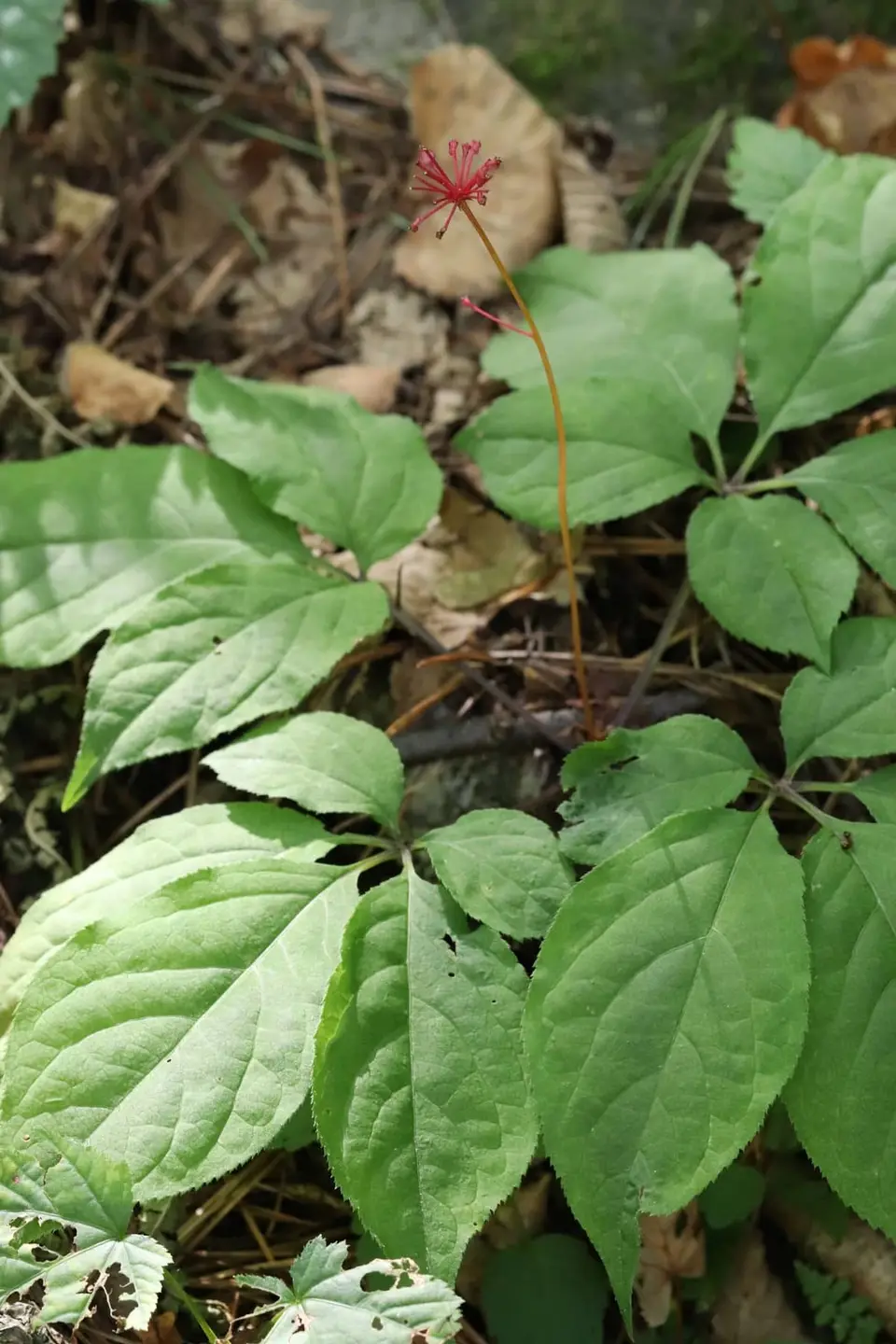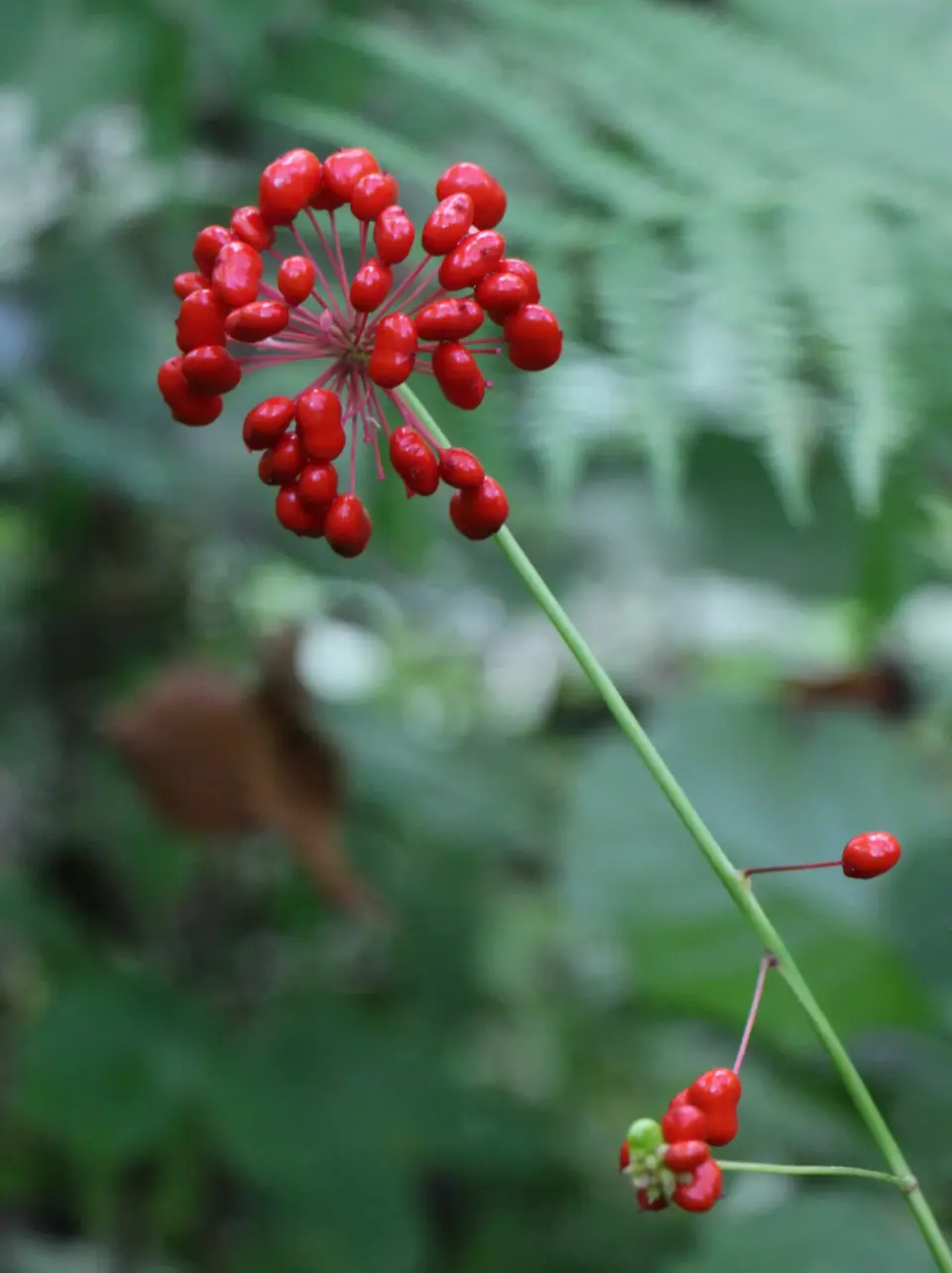
Panax ginseng restores your youthful edge by targeting the visible signs of age-related decline. This root has been used for centuries to invigorate the body and enhance vitality. You can regain a smoother, firmer appearance through both oral supplements and topical applications that support skin performance.
It Reduces the Appearance of Wrinkles
You can fight the decline of skin elasticity with red ginseng. A 2009 study of 82 female volunteers over 40 found that taking 3 g/day of a red ginseng extract mixture for 24 weeks significantly improved facial wrinkles (Cho 2009). This result is linked to increased type I procollagen synthesis and elongated fibrillin-1 fiber length (Cho 2009).
Topical application also delivers concrete results for the delicate eye area. A 2015 trial of 23 randomized subjects found that enzyme-modified ginseng cream significantly reduced the global photo-damage score (Hwang 2015). This treatment decreased total roughness and smoothness depth to suppress eye wrinkle formation (Hwang 2015).
These findings highlight the root's ability to rebuild the dermal matrix. By preventing the induction of MMP-9, the root protects the structural integrity of the skin (Cho 2009). This dual approach of ingestion and application ensures a comprehensive return to vitality.
The root provides a biological shield against the effects of photoaging. A 2009 study of 82 healthy female volunteers over 40 found that a red ginseng extract mixture taken at 3 g/day for 24 weeks prevented MMP-9 gene induction (Cho 2009). This action protects the skin from the breakdown of collagen. By maintaining these biochemical markers, the root preserves a youthful and firm facial appearance.
It Improves Skin Texture and Moisture
You can achieve a softer feel through the moisturizing properties of the root. In a post-study questionnaire, users of enzyme-modified ginseng cream reported it was more potent in moisturizing and softening skin than a placebo (Hwang 2015). This formulation is absorbed efficiently into the skin to enhance surface quality (Hwang 2015).
The root also supports the skin's natural balance. A 2022 clinical study of 20 female subjects found that a red ginseng formulation with 1,2-hexanediol helped maintain skin homeostasis (Hou 2022). This application increased the distribution of beneficial S. epidermidis and decreased C. acnes (Hou 2022).
Maintaining a healthy microbiome is essential for a radiant glow. By selectively promoting beneficial bacteria, the root protects the skin from pathogenic microorganisms (Hou 2022). This biological support helps you maintain a clear and resilient complexion.
The root supports the skin by managing the growth of specific microorganisms. A 2022 clinical trial of 20 female subjects found that a red ginseng formulation promoted the growth of S. aureus and S. epidermidis compared to fructooligosaccharide (Hou 2022). This selective growth helps maintain skin homeostasis. Such biological balance ensures the skin remains resilient and healthy.
It Clears Acne and Reduces Redness
You can manage breakouts with the antimicrobial strength of red ginseng. A clinical trial of 20 subjects with acne found that a cream containing 3 mg/g of a red ginseng hydrophobic fraction effectively improved early to middle stage acne (Hou 2019). This treatment reduced both redness of the skin and oxidized sebum contents (Hou 2019).
The active components panaxynol and panaxydol provide the primary benefit. These substances showed antimicrobial activity against Propionibacterium acnes that was equal to or better than benzoyl peroxide (Hou 2019). This makes the root a potent natural alternative for skin clarity.
Using these extracts allows you to target inflammation without harsh chemicals.
The root offers a natural alternative to traditional antibacterial treatments. A clinical trial found that the hydrophobic fraction in red ginseng ethanol extract showed antimicrobial activity against Propionibacterium acnes that was as strong as azelaic acid (Hou 2019). This high antimicrobial effect targets the bacteria that cause acne. Using these active components helps you achieve a clearer complexion.
It Warms Cold Hands and Feet
You can overcome the discomfort of cold extremities by improving peripheral blood flow. A 2014 randomized trial of 80 female patients found that taking six 500-mg capsules of Korean red ginseng twice daily for 8 weeks significantly increased skin temperature in the hands and feet (Park 2014). This treatment also lowered visual analog scale scores for cold hypersensitivity (Park 2014).
The root acts as a vasodilator in the peripheral vessels to increase blood flow under cold stress (Park 2013). This physiological response leads to a higher recovered temperature in the fingers after cold stress (Park 2014).
Improving circulation is a traditional strength of the root used for centuries. You can find more about these effects in our guide on ginseng and circulation. This warmth is a sign of restored systemic vitality.
The root improves the body's ability to recover from cold stress. A 2014 trial of 80 female patients found that Korean red ginseng increased the recovered temperature of the right 5th finger after a cold stress test (Park 2014). This result is associated with less parasympathetic activity than the placebo group (Park 2014). This physiological shift helps you regain warmth and comfort in your extremities.
It Reduces Skin Reactivity to Allergens
You can soothe sensitive skin by addressing the underlying inflammatory response. A 4-week study of 59 patients with perennial allergic rhinitis found that fermented red ginseng reduced skin reactivity to sensitized perennial allergens (Jung 2011). This benefit is part of the root's broader anti-inflammatory effect against Th2-type inflammation (Jung 2011).
The root also improves the quality of life for those with chronic sensitivities. Participants in the study reported marked improvements in activity and emotion (Jung 2011). This demonstrates the root's ability to stabilize the body's response to external triggers.
Reducing skin reactivity helps you maintain a comfortable and irritation-free appearance. This systemic support is a hallmark of the root's use as a general tonic (NCCIH). You can learn more about this in our guide on ginseng and inflammation.
The root provides relief for those suffering from persistent nasal and skin sensitivities. A 4-week study of 59 patients with perennial allergic rhinitis found that fermented red ginseng was significantly effective in reducing nasal congestion (Jung 2011). This reduction in congestion is paired with a decrease in skin reactivity to sensitized perennial allergens (Jung 2011). These combined effects restore your daily comfort.
How to Choose the Right Form
You can select between oral supplements and topical creams depending on your goals.
Topical formulations, such as enzyme-modified extracts, target specific areas like eye wrinkles (Hwang 2015). These creams provide direct moisturizing and softening effects on the skin surface. Hydrogel formulations can further help maintain the skin microbiome for better homeostasis (Hou 2022).
Quality standards are essential for ensuring you get the active ginsenosides. The Hong Kong Chinese Materia Medica Standards provide the identity and quality benchmarks for Radix Ginseng (Hong Kong Chinese Materia Medica Standards). Choosing a standardized extract ensures you receive the full strength of the root.
It Is Well Tolerated for Long-term Use
You can integrate Panax ginseng into your routine with confidence in its safety. In a trial for eye wrinkles, no participants reported adverse reactions to the enzyme-modified ginseng treatment (Hwang 2015). Similarly, fermented red ginseng was found to be well tolerated in patients with allergic rhinitis (Jung 2011).
While some people report skin eruptions if they over-use certain preparations, standardized doses are generally safe (Han 2013).
By supporting both the internal structure and external appearance, Panax ginseng helps you fight age-related decline. This comprehensive support restores your vitality and skin performance.
The root supports overall recovery and rest while remaining safe for the user. A study of 15 healthy male volunteers found that 1500 mg of red ginseng extract administered three times a day for 7 days increased sleep efficacy (Han 2013). This administration also significantly reduced total wake time (Han 2013). Improved sleep quality supports the skin's natural repair processes and overall vitality.
References
- Hwang E et al. 2015. Efficacy and Safety of Enzyme-Modified Panax ginseng for Anti-Wrinkle Therapy in Healthy Skin: A Single-Center, Randomized, Double-Blind, Placebo-Controlled Study. Rejuvenation Res.
- Cho S et al. 2009. Red ginseng root extract mixed with Torilus fructus and Corni fructus improves facial wrinkles and increases type I procollagen synthesis in human skin: a randomized, double-blind, placebo-controlled study. J Med Food.
- Hou JH et al. 2022. Influence of Panax ginseng formulation on skin microbiota: A randomized, split face comparative clinical study. J Ginseng Res.
- Hou JH et al. 2019. Anti-acne properties of hydrophobic fraction of red ginseng (Panax ginseng C.A. Meyer) and its active components. Phytother Res.
- Park KS et al. 2014. Efficacy and safety of Korean red ginseng for cold hypersensitivity in the hands and feet: a randomized, double-blind, placebo-controlled trial. J Ethnopharmacol.
- Park KS et al. 2013. Effect of Korean red ginseng on cold hypersensitivity in the hands and feet: study protocol for a randomized controlled trial. Trials.
- Jung JW et al. 2011. Therapeutic effects of fermented red ginseng in allergic rhinitis: a randomized, double-blind, placebo-controlled study. Allergy Asthma Immunol Res.
- Han HJ et al. 2013. Effects of red ginseng extract on sleeping behaviors in human volunteers. J Ethnopharmacol.
- NCCIH. Asian Ginseng: Usefulness and Safety.
- Hong Kong Chinese Materia Medica Standards. Hong Kong Chinese Materia Medica Standards, Volume 1: Radix Ginseng.
Nothing here is medical advice, and anyone on prescription medication can mention ginseng to a doctor while enjoying a root people have trusted for centuries.