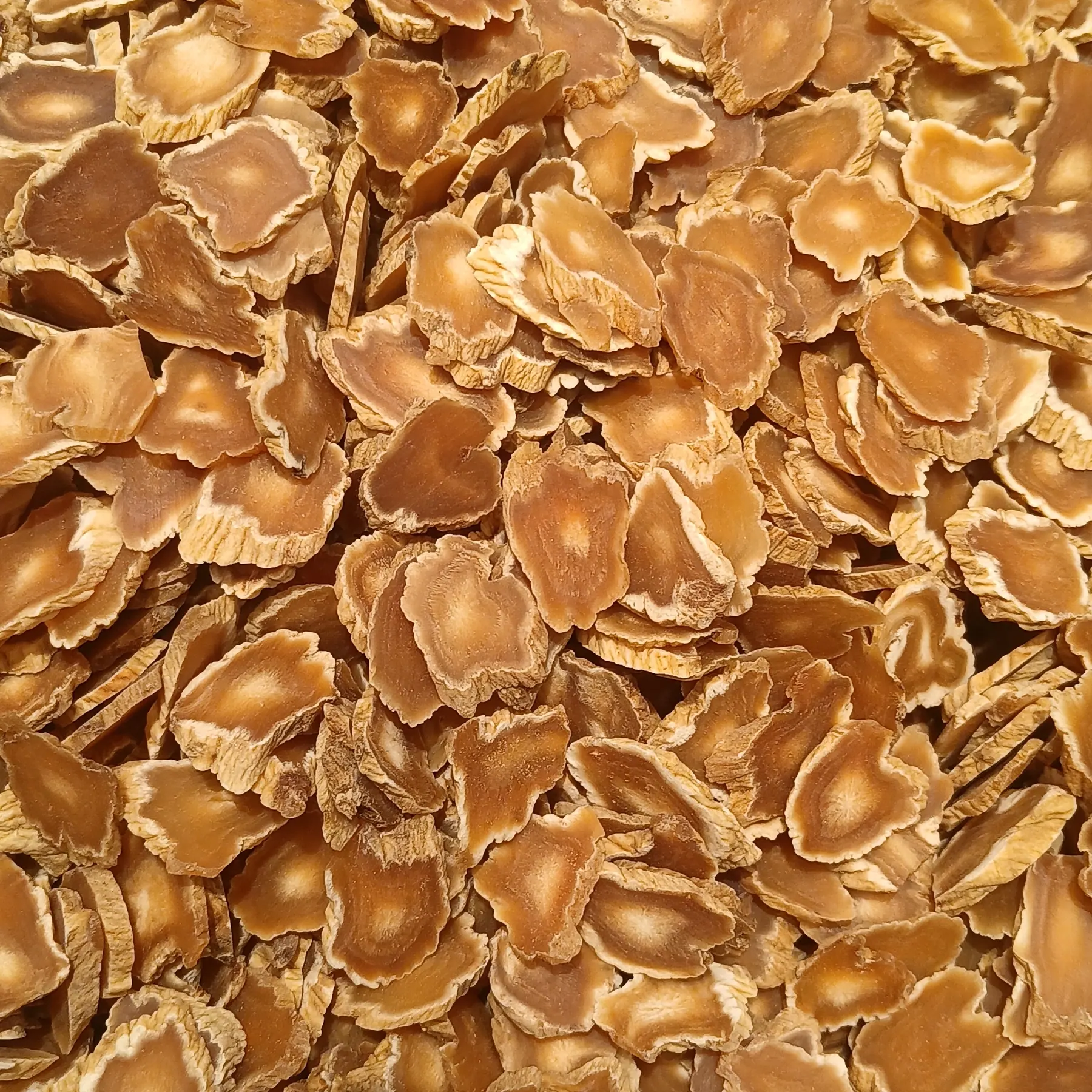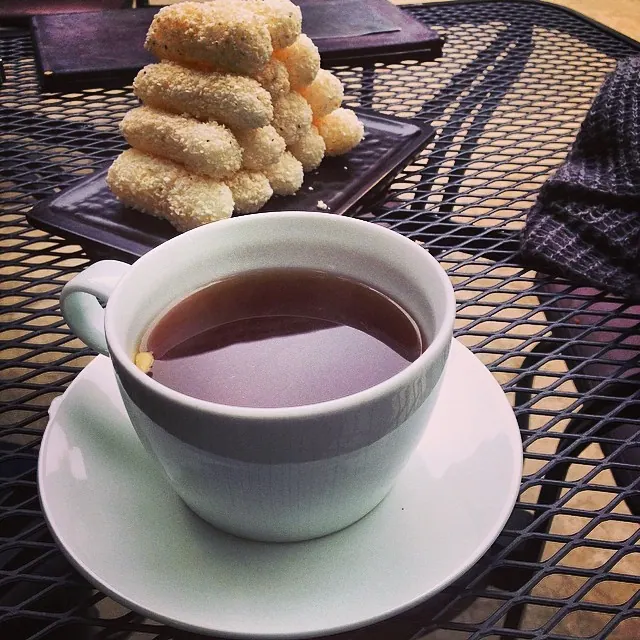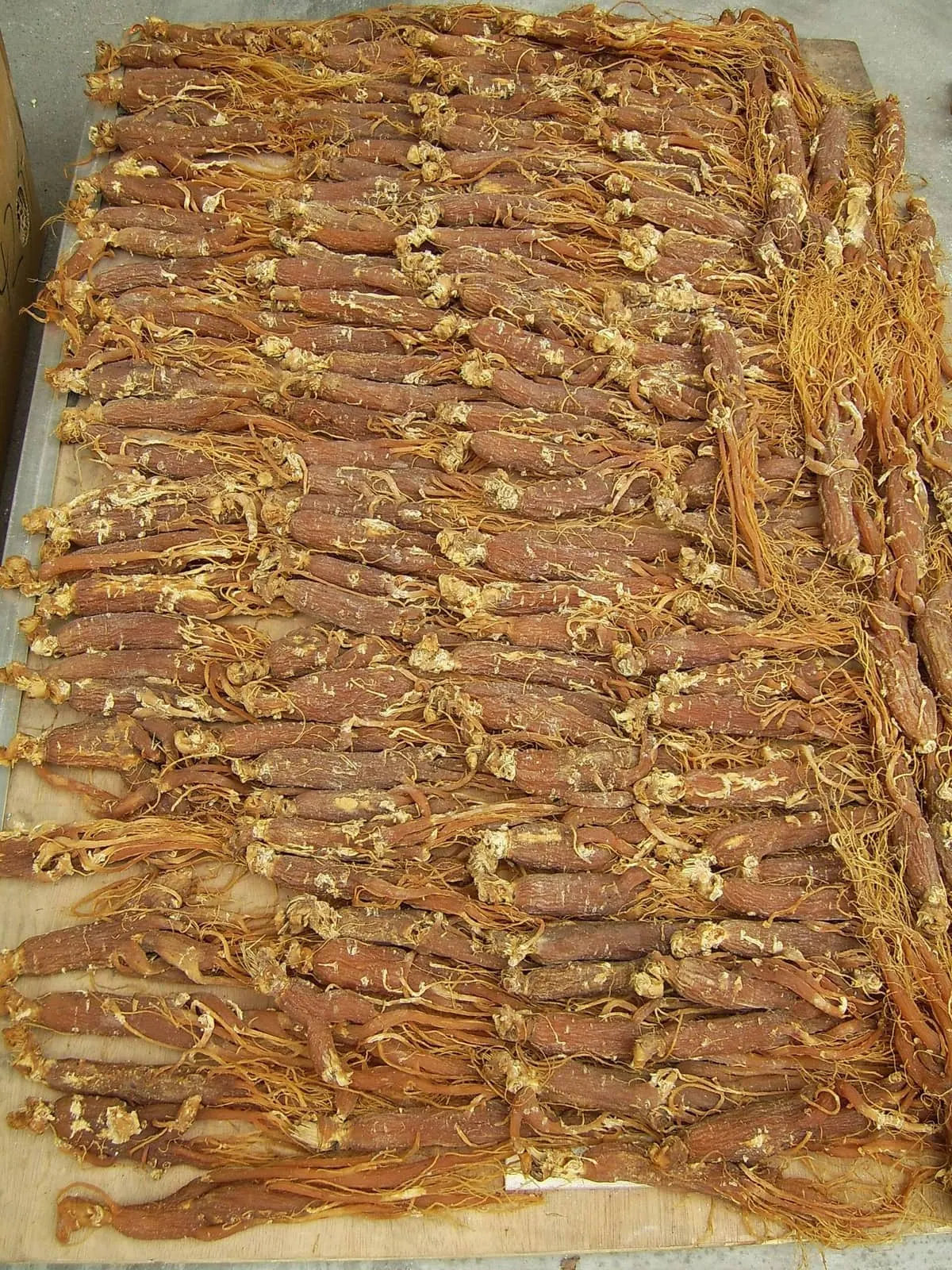
Panax ginseng is remarkably well tolerated. A systematic review of all available safety data found side effects at rates similar to a placebo, and usually mild and short lived when they occurred. That comfortable record is the main story in the research, and it is why people have taken the root for centuries.
Side Effects Are Uncommon and Mild
The most thorough look at ginseng's safety record is a systematic review of adverse effects and drug interactions across the available literature, which found that side effects with pure ginseng occur at rates similar to placebo and are usually mild and short lived (Coon and Ernst 2002). When people in trials did report something, it was typically minor, things like mild headache or an upset stomach, and it resolved on its own.
The 2021 Cochrane review of nine erectile dysfunction trials in 587 men specifically tracked adverse events across seven of those studies and found no meaningful increase in side effects compared with placebo, and those men tolerated red ginseng well (Lee 2021). The 1996 flu vaccination study of 227 people tracked 24 separate safety measures across 12 weeks of daily use and found a calm safety picture (Scaglione 1996). People handled that daily course well.
Large Reviews Confirm the Comfortable Record
A 2013 systematic review gathered 65 randomized trials of Panax ginseng, and 40 of them counted every adverse event (Shergis 2013). Across those 40 trials there were 135 minor events and not one serious event. A 2018 meta-analysis of herbal supplements for erectile function found side effects with ginseng matched placebo across its placebo trials (Borrelli 2018), the same comfortable picture in another large pool of men.
Safety Trials Built to Look for Problems
Some trials exist only to check safety, and ginseng passes them. A 2012 trial gave healthy adults 1 or 2 grams of Panax ginseng root extract a day for 4 weeks and found no serious reactions, with blood counts and blood chemistry steady throughout (Lee 2012). A 2020 study gave 15 healthy adults a high dose of red ginseng extract every day for 15 days and found body temperature and blood pressure steady, and the course was well tolerated (Choi 2020).
A 2025 trial of 46 healthy adults found 960 mg of Korean red ginseng a day for 3 weeks eased fatigue, with adverse events, urine tests and blood tests no different from placebo (Lee 2025). Researchers checked the full panel, and the root came through clean.
Long Courses Stay Comfortable
Longer use keeps the same record. A 2024 trial gave 119 adults Korean red ginseng capsules for 180 days, six months of daily use, and safety measures stayed in the normal range with no adverse reactions reported (Yang 2024). A 2020 trial of 200 people with chronic lung disease found 200 mg of a standardized extract twice a day for 24 weeks safe and well tolerated (Chen 2020).
Even alongside demanding treatment the root stays easy to take. A 2020 trial of 438 people with colorectal cancer found 2,000 mg of Korean red ginseng a day for 16 weeks combined safely with chemotherapy, with overall adverse events similar to placebo, while it eased fatigue (Kim 2020).
Red Ginseng Keeps You Comfortable, Not Overheated
Traditional practice calls red ginseng warming, and the trials show a comfortable root. A 2019 trial of 180 adults found 1.8 or 3.6 grams of Korean red ginseng a day for 4 weeks caused no rise in heat symptoms, no safety changes, and a clear drop in fatigue (Zhang 2019). A 2022 trial of 180 adults found 6 weeks of red ginseng extract left head, face and body temperature steady and was well tolerated (Park 2022).
Blood Pressure Stays Steady
Although a common worry is that ginseng might raise blood pressure, a 2016 meta-analysis of 17 studies in 1,381 people found ginseng had no meaningful effect on blood pressure in either direction (Komishon 2016), and blood pressure stayed steady, which is a reassuring strength for daily use.
Medicines in the Case Reports
Although case reports describe interactions between ginseng and the blood thinner warfarin, the antidepressant phenelzine, an MAOI, and alcohol, and although those reports are individual cases rather than large controlled trials, people who use any of these or any regular prescription medication can mention ginseng to a doctor, and the root itself stays as well tolerated as a placebo in the systematic safety review.
Blood Sugar Support Stays Gentle
Although ginseng may modestly lower blood sugar on its own, based on a 2014 review of 16 studies in 770 people (Shishtar 2014), and although people who use diabetes medication can mention ginseng to a doctor so blood sugar stays in a comfortable range, that gentle effect is part of why the root is so well tolerated in everyday use.
What the Trials Actually Checked
The trials reviewed here tracked blood chemistry panels, reported symptoms, vital signs, and dropout rates due to side effects, comparing all of them against a placebo group taking an inert pill. Across that range of measures, ginseng consistently came out close to placebo. Researchers actively looked for problems, and the root's record stayed as comfortable as an inert pill.
The People the Safety Trials Followed
Although people taking blood thinners, diabetes medication, or MAOIs can talk with a doctor before starting, and although pregnant or breastfeeding people were not part of these trials, the safety trials in healthy adults and in people with the specific condition being tested found side effects close to placebo. Communities have used the root for centuries, and those trials show how well people tolerate it.
What Users Report
Long term daily users commonly describe ginseng as easy on the stomach and free of the jittery, wired feeling some people get from stimulants. When people do mention something, it is usually mild and early on, like feeling a bit more alert than expected for the first few days, which tends to settle into an easy daily rhythm. Although a smaller number mention mild digestive upset when starting on an empty stomach, they resolved it by taking the root with food, and the stomach comfort is what they describe from then on. These are user reports rather than clinical findings, and they line up closely with what the safety trials above measured.
For the full range of studied benefits alongside this safety picture, see Panax ginseng benefits, and for a broader introduction, what Panax ginseng actually does. People keep reaching for this root because that same comfortable record sits next to real gains in energy, stamina, and vitality.
References
- Coon JT, Ernst E. 2002. Panax ginseng: a systematic review of adverse effects and drug interactions. Drug Saf.
- Lee HW et al. 2021. Ginseng for erectile dysfunction. Cochrane Database Syst Rev.
- Shergis JL et al. 2013. Panax ginseng in randomised controlled trials: a systematic review. Phytother Res.
- Borrelli F et al. 2018. Herbal Dietary Supplements for Erectile Dysfunction: A Systematic Review and Meta-Analysis. Drugs.
- Lee NH et al. 2012. Safety and tolerability of Panax ginseng root extract: a randomized, placebo-controlled, clinical trial in healthy Korean volunteers. J Altern Complement Med.
- Choi MK et al. 2020. Tolerability and pharmacokinetics of ginsenosides Rb1, Rb2, Rc, Rd, and compound K after single or multiple administration of red ginseng extract in human beings. J Ginseng Res.
- Lee YG et al. 2025. Anti-fatigue effects of Korean Red Ginseng extract in healthy Japanese adults: A randomized, double-blind, placebo-controlled study. J Ginseng Res.
- Yang Y et al. 2024. Enhanced immunity effect of Korean Red Ginseng capsule: A randomized, double-blind and placebo-controlled clinical trial. J Ginseng Res.
- Chen Y et al. 2020. Effect of Panax Ginseng (G115) Capsules versus Placebo on Acute Exacerbations in Patients with Moderate to Very Severe COPD: A Randomized Controlled Trial. Int J Chron Obstruct Pulmon Dis.
- Kim JW et al. 2020. Korean red ginseng for cancer-related fatigue in colorectal cancer patients with chemotherapy: A randomised phase III trial. Eur J Cancer.
- Zhang L et al. 2019. Safety and antifatigue effect of Korean Red Ginseng: a randomized, double-blind, and placebo-controlled clinical trial. J Ginseng Res.
- Park SI et al. 2022. KGR-BG1, a Standardized Korean Black Ginseng Extract, Has No Significant Effects on Head or Face Temperature Compared with Korean Red Ginseng Extract and a Placebo. J Med Food.
- Scaglione F et al. 1996. Efficacy and safety of the standardised ginseng extract G115 for potentiating vaccination against the influenza syndrome and protection against the common cold. Drugs Exp Clin Res.
- Komishon AM et al. 2016. The effect of ginseng (genus Panax) on blood pressure: a systematic review and meta-analysis of randomized controlled clinical trials. J Hum Hypertens.
- Shishtar E et al. 2014. The effect of ginseng (the genus Panax) on glycemic control: a systematic review and meta-analysis of randomized controlled clinical trials. PLoS One.
Nothing here is medical advice, and people who take prescription medication can mention ginseng to a doctor while they enjoy a root that has supported energy and vitality for centuries.