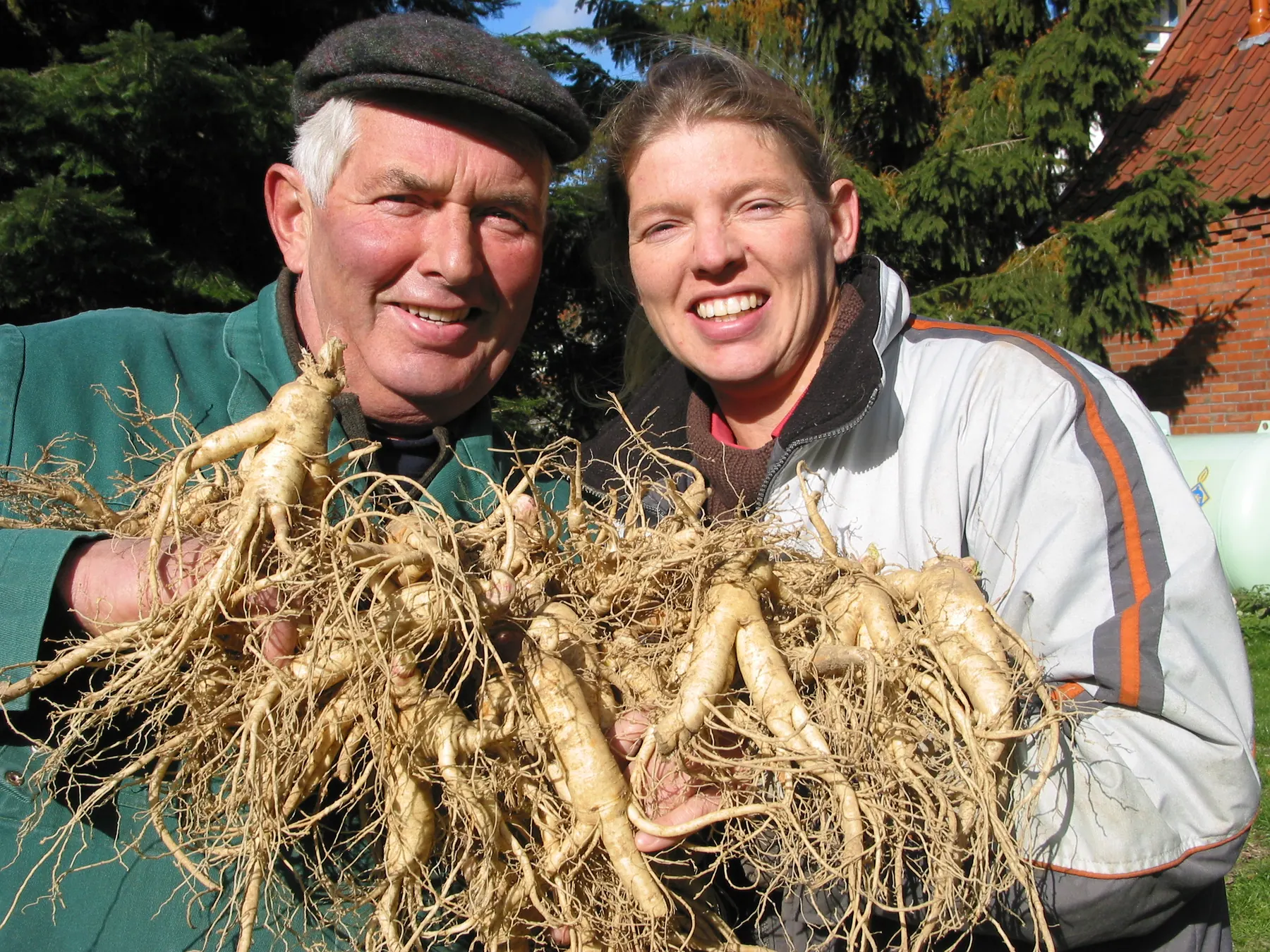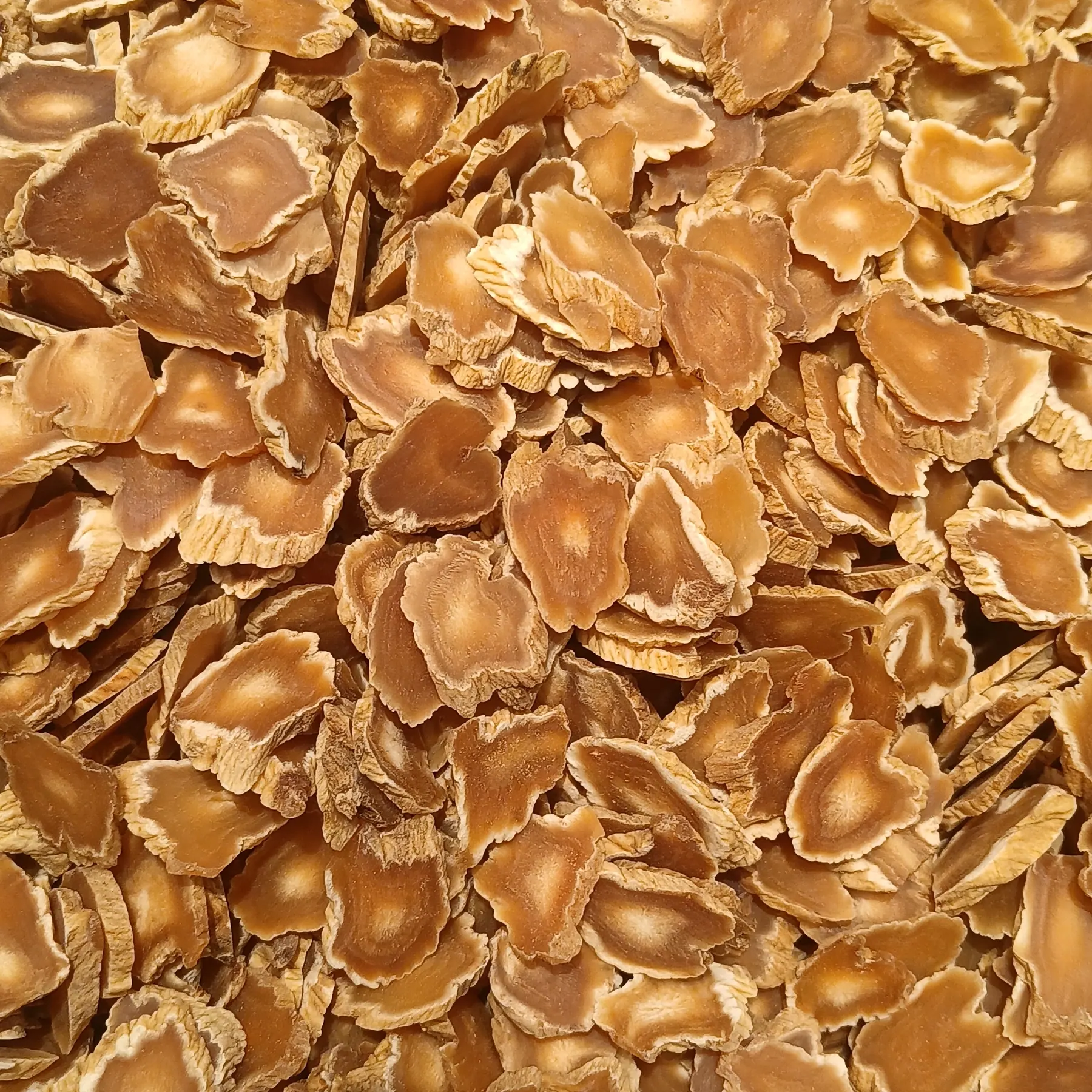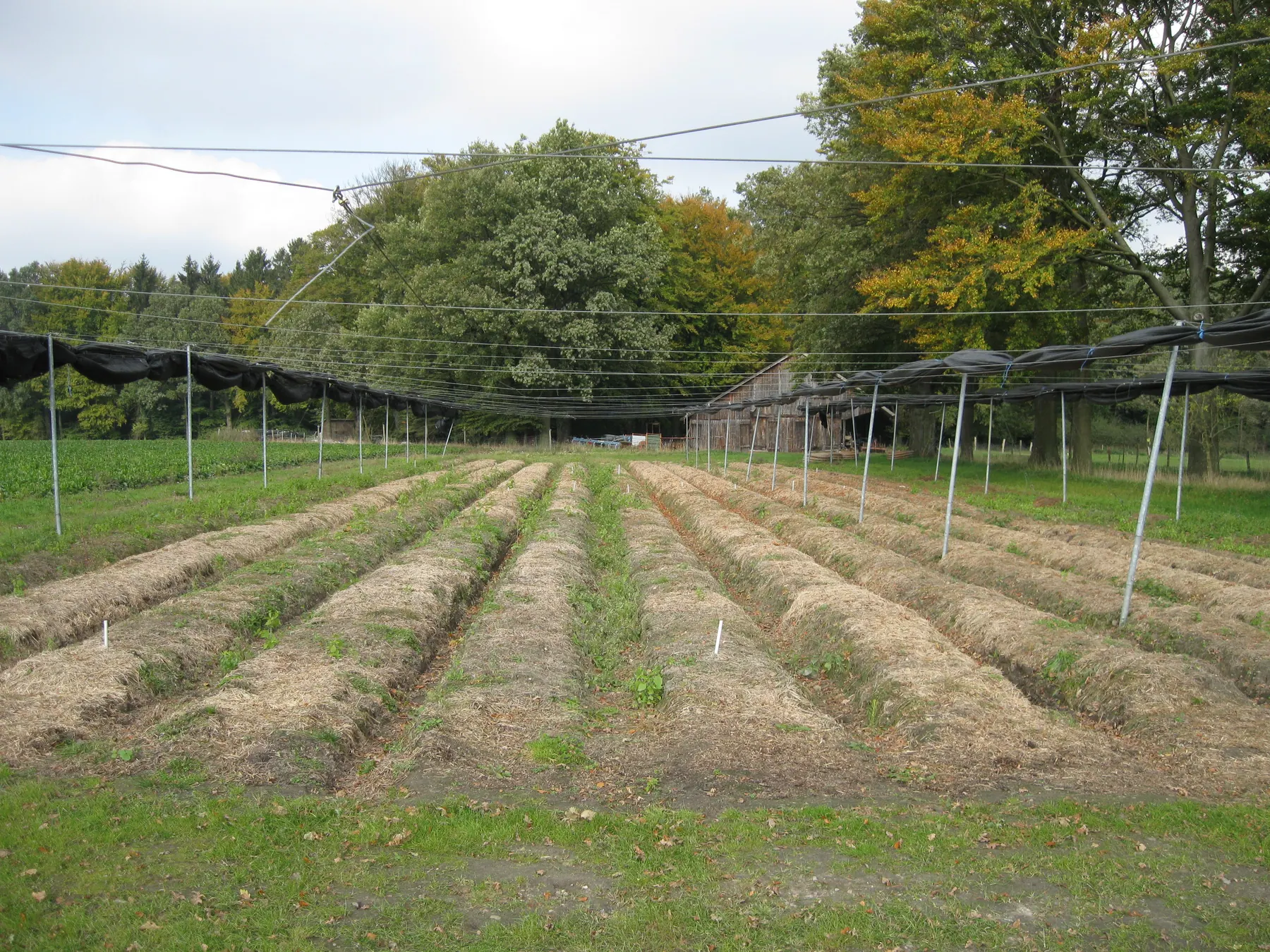
Korean ginseng (Panax ginseng) and American ginseng (Panax quinquefolius) are two different plant species, each with its own ratio of ginsenosides, the compounds behind most of ginseng's studied effects. Small trials suggest they behave differently, especially on blood sugar and mental performance, and Korean ginseng carries the energy, stamina, and immune record this site celebrates. Our sister site covers American ginseng in depth at quinquefolius.com, and the three species are laid out together in the three Panax species.
Two Species with Their Own Strengths
Korean ginseng, also called Asian ginseng, is Panax ginseng, native to Korea and northeast China and the species behind most of the fatigue, erectile function, and immune research on this site. American ginseng is Panax quinquefolius, native to North America and cultivated mainly in Wisconsin and Canada. Both belong to the same Panax genus and share many ginsenosides. Although American ginseng is not simply a milder version of the same root, researchers who study it note that its distinct ginsenoside profile gives it different pharmacological properties (Scholey 2010), and Korean ginseng keeps the long record for energy, erectile function, and immune support.
Blood Sugar Responses Follow the Species
A 2004 crossover study in 12 healthy adults compared eight ginseng types head to head, including American and Asian ginseng, before a standard glucose tolerance test. Although Asian ginseng raised the post meal blood sugar spike in this study while American ginseng and a Vietnamese variety tended to lower it, the difference tracked with each type's specific ginsenoside ratio (Sievenpiper 2004). Although this is a small, single study, it is a clear example of species mattering, and Korean ginseng remains the root behind the fatigue, erectile function, and immune research people have trusted for centuries.
American Ginseng Has Its Own Memory Research
A standardized American ginseng extract has been tested on its own in working memory studies separate from the Korean ginseng cognition research. A 2010 crossover trial in 32 healthy young adults found single doses of 100 to 400 mg improved working memory performance, with effects distinct from what has been reported for Asian ginseng (Scholey 2010). A follow up 2015 trial extended this finding to 52 healthy adults aged 40 to 60, finding a single 200 mg dose improved working memory at the three hour mark (Ossoukhova 2015). Korean ginseng's own cognitive research centers on same day mental fatigue during demanding tasks, and that focus benefit is the one to read next in Panax ginseng benefits.
Ginsenoside Ratios Shape the Effect
The 2004 crossover study tested eight ginseng types side by side under identical conditions and found the direction of the effect tracked with each type's ginsenoside ratio (Sievenpiper 2004). That is direct evidence that each species brings its own strengths, and choosing Panax ginseng lines you up with the fatigue, erectile function, and immune research.
What They Share
Both species share the broad strokes of ginseng's reputation: energy support, an excellent safety record in clinical use, and a very long history of traditional use for vitality. Much of the erectile function, fatigue, and immune research on this site used Korean ginseng specifically, so a label that names the species points you to that record. See how to choose a ginseng supplement for what else to look for, and for the details that keep the species clear.
Korean Ginseng Matches the Research on This Site
If you are after the benefits most studied on this site, energy, erectile function, or immune support, Korean ginseng (Panax ginseng) is the species behind that research. If working memory or a gentler effect on blood sugar is your priority, American ginseng (Panax quinquefolius) has its own supporting trials, and many people also prefer one root's traditional reputation. Korean ginseng is the choice that lines up with the energy, stamina, and immune strengths celebrated here.
What Users Report
Users who have tried both species commonly describe Korean ginseng as feeling more warming and energizing, while American ginseng gets described as calmer and gentler. Some report American ginseng suits them well for a work day, and they reach for Korean red ginseng for stamina or workout support. A few longtime users keep both on hand, using American ginseng before a demanding work task and Korean red ginseng on days they want an energy and stamina lift. These are personal impressions rather than measured comparisons, and the warming energy of Korean ginseng is the report that comes up again and again.
Safety Notes
Although people who use blood thinners, diabetes medication, or MAOIs can mention either species to a doctor, both species show a good safety record across the available research, with side effects that look similar to placebo and are usually mild (Coon and Ernst 2002). The American ginseng cognitive trials specifically reported no significant changes in blood glucose or mood at any of the doses tested, and that calm record sits on top of how well people tolerate both roots.
References
- Scholey A et al. 2010. Effects of American ginseng (Panax quinquefolius) on neurocognitive function: an acute, randomised, double-blind, placebo-controlled, crossover study. Psychopharmacology.
- Sievenpiper JL et al. 2004. Decreasing, null and increasing effects of eight popular types of ginseng on acute postprandial glycemic indices in healthy humans: the role of ginsenosides. J Am Coll Nutr.
- Ossoukhova A et al. 2015. Improved working memory performance following administration of a single dose of American ginseng (Panax quinquefolius L.) to healthy middle-age adults. Hum Psychopharmacol.
- Coon JT, Ernst E. 2002. Panax ginseng: a systematic review of adverse effects and drug interactions. Drug Saf.
Nothing here is medical advice, and people who take prescription medication can mention ginseng to a doctor while they enjoy a root that has supported vitality for centuries.