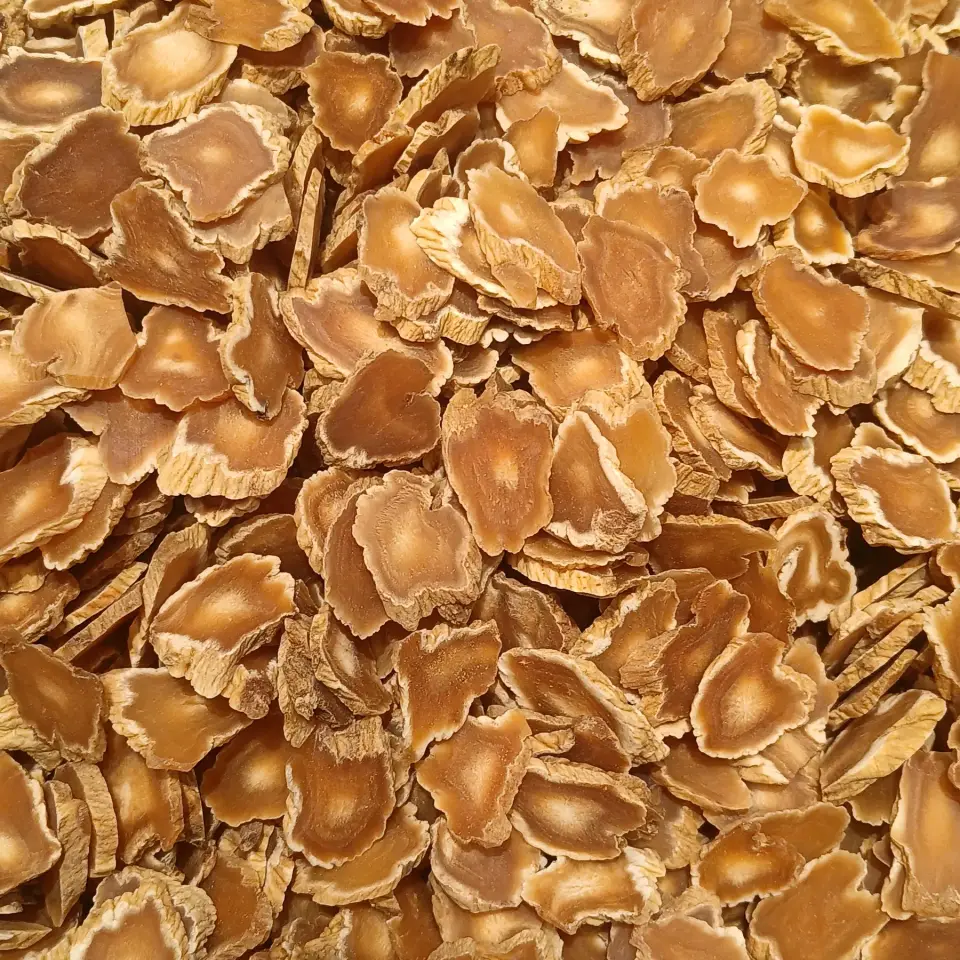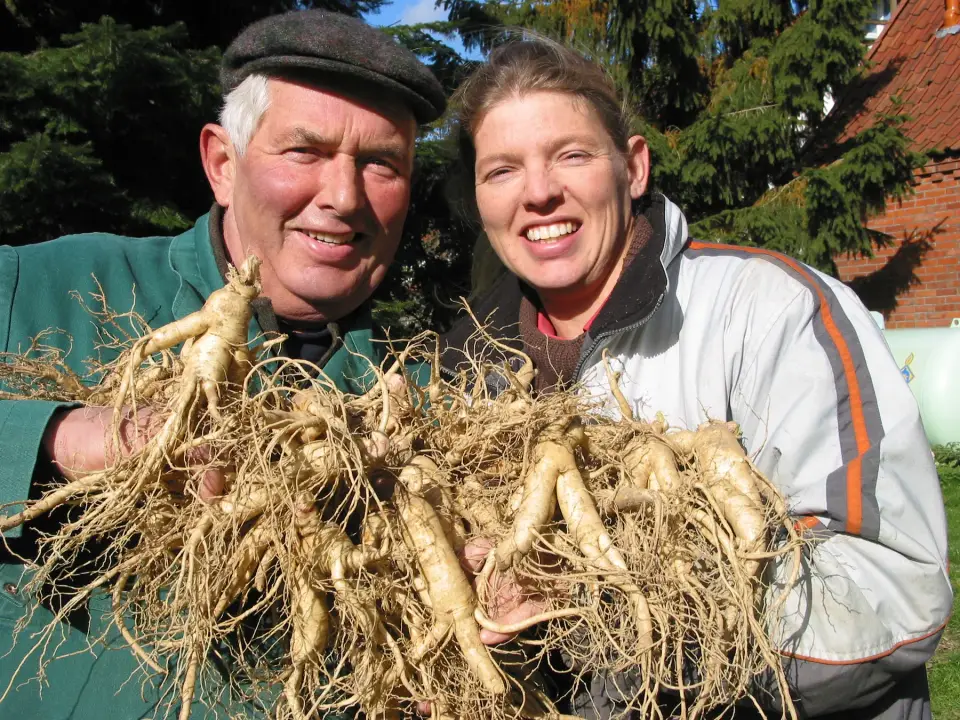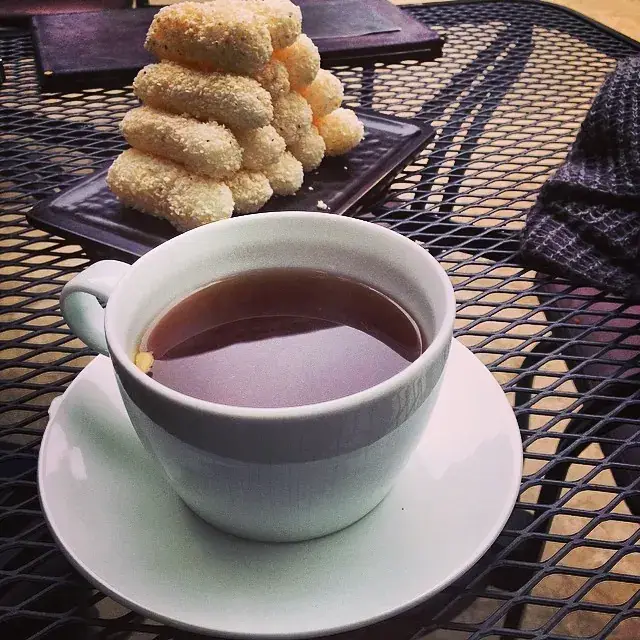
Travel often drains your vitality and leaves you feeling depleted. Panax ginseng helps you reclaim your edge by fighting the physical and mental exhaustion of long journeys. This root has been used for centuries to restore balance and boost energy.
It Helps You Feel Less Tired
Long flights and time zone shifts create a heavy sense of exhaustion. A 2025 study of 46 healthy middle-aged adults found that three weeks of Korean Red Ginseng extract significantly decreased fatigue scores compared to a placebo (Lee YG 2025). This result helps you stay alert during your trip.
Many users say they feel a renewed sense of vigor after taking the root. A systematic review of 8 randomized clinical trials found that Panax ginseng and its compounds were superior to a placebo in reducing fatigue (Jin TY 2020). This strength allows you to navigate new cities with ease.
You can use this root to push through the fog of jet lag. The European Medicines Agency recognizes the traditional use of the root for tiredness and weakness (EMA HMPC herbal monographs). This long record of use supports your recovery from travel stress.
The root helps you manage the heavy burden of exhaustion. A 2026 meta-analysis of 14 trials found that phytotherapy provided an improvement in cancer-related fatigue with a standardized mean difference of 0.31 (Matsas S 2026). This result supports the use of botanical extracts to lift your energy. You can rely on this root to help you feel more awake during your travels.
It Supports Your Physical Performance
Travel fatigue often manifests as a heavy feeling in the limbs. A randomized trial of 110 subjects found that Korean Red Ginseng helped relieve physical fatigue and lowered blood lactic acid levels (Yang Y 2022). This effect helps you maintain your physical stamina.
The root works by improving how your body handles stress. A systematic review of clinical trials found that Panax ginseng can increase glucose and superoxide dismutase in the serum to resist fatigue (Jin TY 2020). This biological strength supports your active movement.
You can maintain your pace even after a long journey. The root is often used as a tonic to boost energy and restore balance in the body (Lee HW 2020). This helps you avoid the typical slump that follows a long flight.
You can improve your recovery after physical exertion. A systematic review of 14 clinical trials found that two studies observed significant effects of Red Ginseng on fatigue recovery using lactate as a main outcome (Lee NH 2016). This strength helps you bounce back from the physical toll of transit. The root supports your body as you move through a busy itinerary.
It Improves Your Daily Functioning
Jet lag often impairs your ability to enjoy your destination. A randomized double-blind trial of 65 survivors with moderate-to-severe fatigue found that 250 mg of Panax ginseng extract per day significantly reduced fatigue and improved general activity (Rahmani A 2026). This benefit extends to walking ability and mood.
The root helps you regain the enjoyment of life during your travels. The same study of 65 people showed significant improvements in the enjoyment of life after four weeks of use (Rahmani A 2026). This allows you to focus on your experiences rather than your exhaustion.
You can regain your mental sharpness while on the road. Many people report that the root helps them feel more present and energized (Lee HW 2020).
The root helps you maintain your cognitive and physical flow. A systematic review of 8 randomized clinical trials showed that Panax ginseng compounds can increase the level of dopamine and acetylcholine in brain tissue (Jin TY 2020). This benefit supports the mental clarity needed to navigate unfamiliar airports. You can keep your focus sharp while exploring new destinations.
It Helps You Recover from Chronic Stress
Travel is not just about the flight but the stress of the itinerary. A 12-week clinical pilot study of 220 patients found that Korean Red Ginseng extract powder significantly relieved chronic fatigue symptoms in women (Seo IH 2025). This result supports long-term recovery from exhaustion.
The root helps regulate the body's response to prolonged stress. This study of 220 people also found that the extract increased the CD4/CD8 T cell ratio (Seo IH 2025).
You can use this root to stabilize your energy levels over a long trip. It has been used for thousands of years as an herbal remedy in eastern Asia (Coon JT 2002).
The root provides a way to manage long-term depletion. A 12-week clinical pilot study of 220 patients found that the G1899 group showed significant chronic fatigue symptoms relieving in women (Seo IH 2025). This result helps you recover from the cumulative stress of travel. The root restores your vitality after periods of high intensity pressure.
How Much to Take
Different goals require different amounts of the root. A trial of 65 people used 250 mg per day to reduce fatigue and improve activity (Rahmani A 2026). This dose provided significant reductions in fatigue severity.
Other studies use higher concentrations for more intense recovery. A study of 46 healthy adults used 960 mg of Korean Red Ginseng extract for three weeks to mitigate fatigue (Lee YG 2025). This higher dose helps you fight deep exhaustion.
You can find more details on how to select a product in our guide on how to choose a ginseng supplement. For specific daily amounts, see our ginseng dosage guide. These standards ensure you get the most benefit from the root.
Specific doses are used to target different types of fatigue. A phase II randomized trial of 40 pancreatic cancer patients used red ginseng powder at a dose of 2.0 g per day (Otsu T 2025). This demonstrates the range of dosages used in clinical settings to address malaise. You can adjust your intake to match your specific energy needs.
It Is Well Tolerated
You can take the root with confidence during your travels. A systematic review of safety data found that the incidence of adverse events with ginseng monopreparations is similar to that with placebo (Coon JT 2002). This makes it a reliable choice for travelers.
Some people experience mild effects, but these are usually transient. Common reports include headache or gastrointestinal symptoms, yet the root remains highly tolerable (Coon JT 2002).
A trial of 46 healthy adults reported no differences in adverse events between the ginseng group and the placebo group (Lee YG 2025). This confirms the root's safety for healthy adults. You can find more details in our guide on ginseng side effects.
The root is safe for use across various populations. A randomized trial of 120 patients with rheumatic diseases reported that the most frequent adverse events were pruritus and urticarial, with no significant difference between the Korean Red Ginseng group and the placebo group (Cho SK 2024). This confirms the high tolerability of the root. You can integrate it into your travel routine with confidence.
It Restores Your Edge
The root is a powerful tool for anyone fighting age-related decline during travel. A systematic review of 8 randomized clinical trials found that Panax ginseng is superior to placebo in improving heart rate recovery and clinical effect (Jin TY 2020). This helps you bounce back faster from a long trip.
You can use the root to maintain your performance in all areas of life. It is recognized as a potentially safe herb for the treatment of fatigue (Klepser TB 1999). This allows you to keep your edge regardless of the time zone.
The root provides a concrete way to fight the drain of travel. It has been used for thousands of years to provide energy and well-being (Jin TY 2020). This long record of success makes it the ideal companion for your next journey.
References
- Lee HW et al. 2020. Ginseng for Improving Semen Quality Parameters: A Systematic Review. World J Mens Health.
- Jin TY et al. 2020. Clinical and Preclinical Systematic Review of Panax ginseng C. A. Mey and Its Compounds for Fatigue. Front Pharmacol.
- Coon JT et al. 2002. Panax ginseng: a systematic review of adverse effects and drug interactions. Drug Saf.
- Klepser TB et al. 1999. Unsafe and potentially safe herbal therapies. Am J Health Syst Pharm.
- Rahmani A et al. 2026. The effect of ginseng extract on fatigue in cancer survivors: a randomized double-blind clinical trial. Support Care Cancer.
- Lee YG et al. 2025. Anti-fatigue effects of Korean Red Ginseng extract in healthy Japanese adults: A randomized, double-blind, placebo-controlled study. J Ginseng Res.
- Seo IH et al. 2025. The effects of G1899 Korean red ginseng extract powder on long COVID for acute COVID19 infection: A randomized, double-blind, placebo-controlled trial Journal of Ginseng Research.
- Seo IH et al. 2025. The effects of G1899 Korean red ginseng extract powder on long COVID for acute COVID19 infection: A randomized, double-blind, placebo-controlled trial. J Ginseng Res.
- Yang Y et al. 2022. Safety and antifatigue effect of Korean Red Ginseng capsule: A randomized, double-blind and placebo-controlled clinical trial. J Ginseng Res.
- EMA HMPC herbal monographs. Ginseng radix, EMA herbal monograph.
- Matsas S et al. 2026. Efficacy of Phytotherapy for Cancer-Related Fatigue: A Systematic Review and Meta-Analysis of Randomized Controlled Trials. Diseases.
- Lee NH et al. 2016. Red Ginseng as an Ergogenic Aid: A Systematic Review of Clinical Trials. J Exerc Nutrition Biochem.
- Otsu T et al. 2025. Phase II Randomized Controlled Trial to Evaluate the Supportive Effect of Koujin (TJ-3020) Powder in Gemcitabine and Nab-Paclitaxel-Treated Unresectable or Recurrent Pancreatic Cancer. Pancreas.
- Cho SK et al. 2024. Effectiveness of Korean Red Ginseng on fatigue in patients with rheumatic diseases: a randomized, double-blind, placebo-controlled study. Korean J Intern Med.
Nothing here is medical advice, and anyone on prescription medication can mention ginseng to a doctor while enjoying a root people have trusted for centuries.