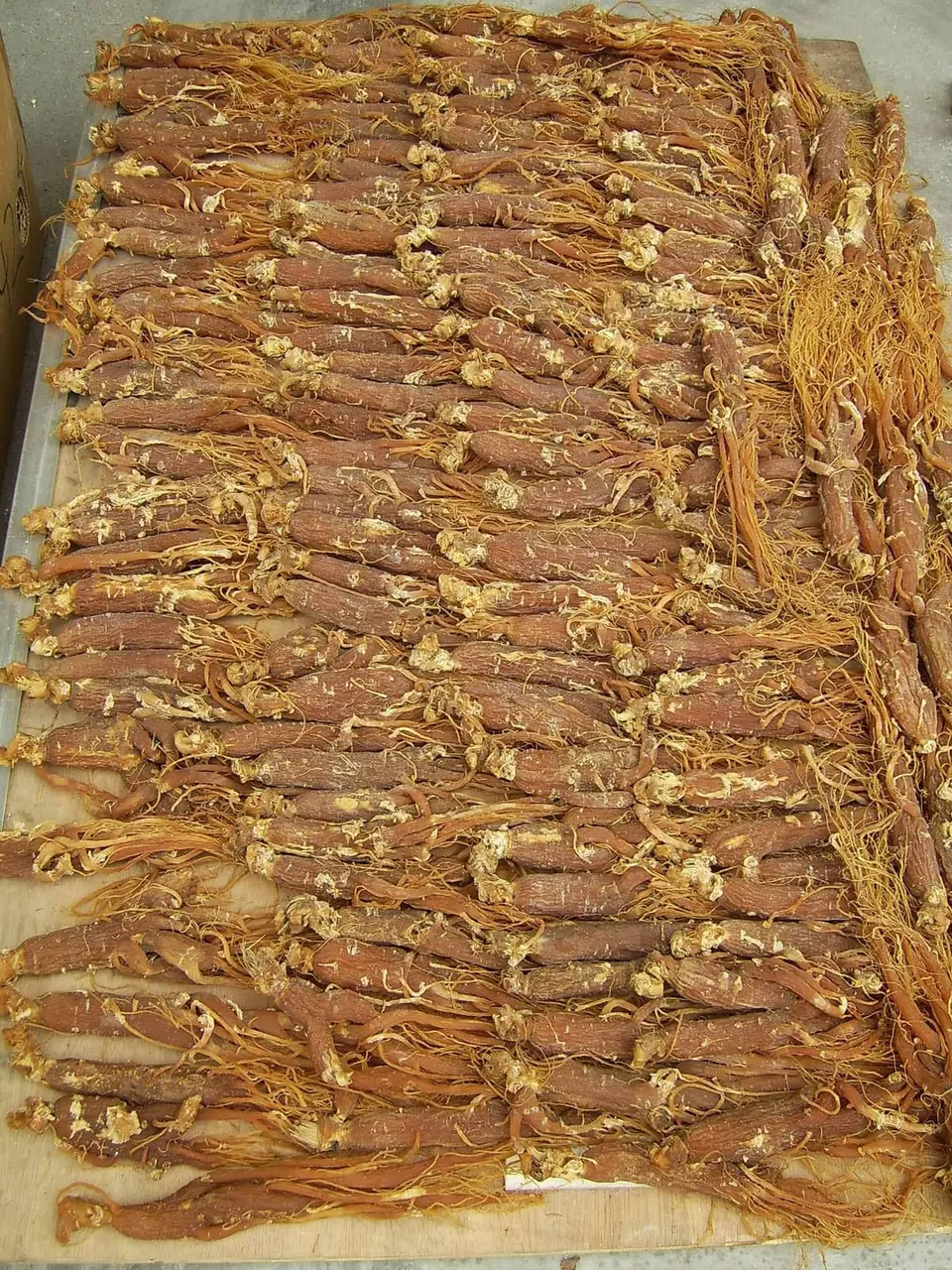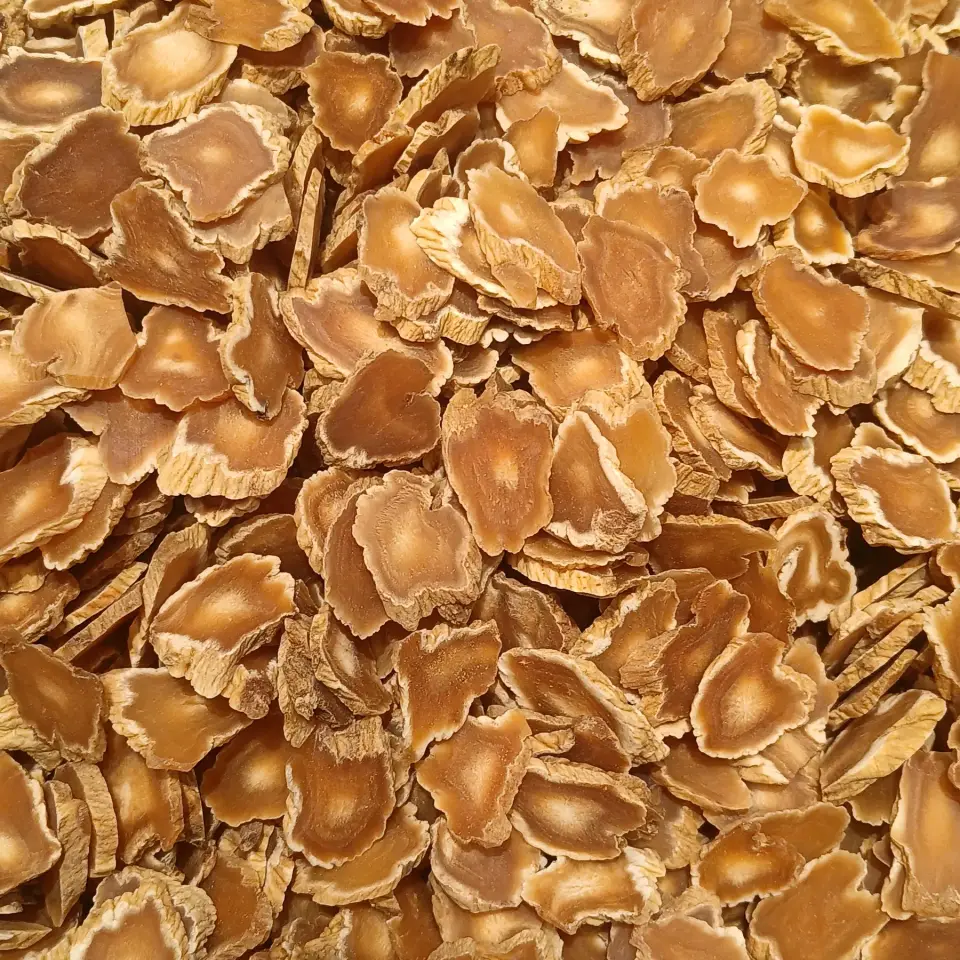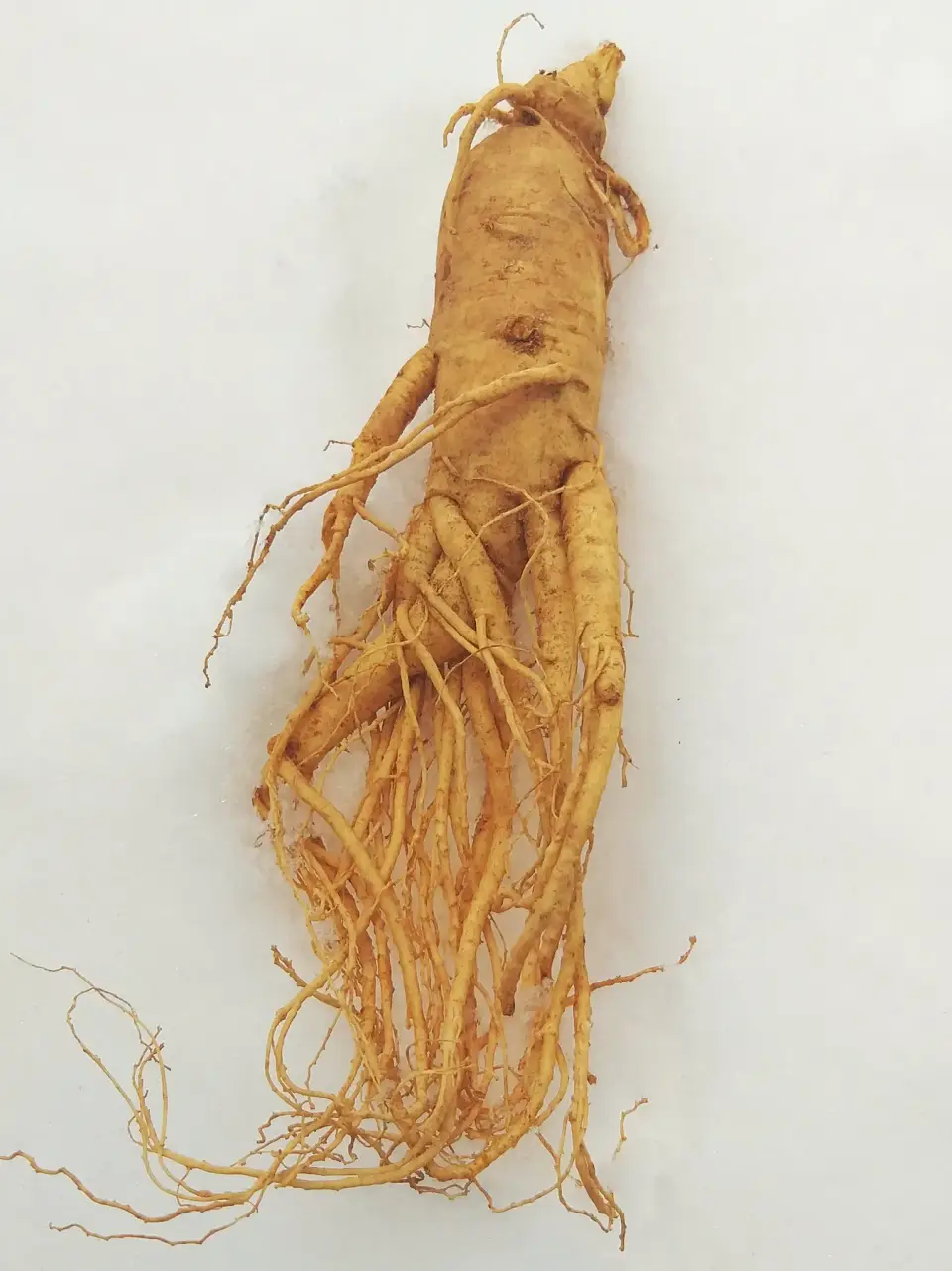
You can reclaim your edge and fight the slow drain of age-related decline with Panax ginseng. This root provides a steady path to vitality without the jitters of stimulants. It has been used for thousands of years to boost energy and restore balance in the body (Lee HW et al. 2020).
It Helps You Feel Less Tired
Many users say they prefer the smooth lift of ginseng over the spike and crash of caffeine. A 2020 systematic review of 8 randomized clinical trials found that Panax ginseng and its compounds were superior to placebo for reducing fatigue (Jin TY et al. 2020). This result supports the routine use of the root to fight exhaustion.
People often report a more sustainable level of alertness throughout the day. A 2025 study of 46 healthy middle-aged Japanese adults found that taking 960 mg of Korean Red Ginseng extract for 3 weeks significantly decreased fatigue scores (Lee YG et al. 2025). This provides a concrete way to mitigate daily tiredness.
The root is recognized for its long-term strength in supporting the body. The European Medicines Agency acknowledges the traditional use of the root for tiredness and weakness (EMA HMPC herbal monographs). This record of use spans centuries of application for vitality.
The root provides a measurable impact on how the body recovers from exertion. A 2020 systematic review of 8 randomized clinical trials found that Panax ginseng and its compounds significantly improved heart rate recovery compared to placebo (Jin TY et al. 2020). This helps the body return to a state of rest more quickly. It is a concrete strength of the root for those fighting age-related decline.
It Restores Energy After Illness
Recovering your performance after a major health event is a primary goal for many adults. A 12-week clinical pilot study of 220 patients recently infected with COVID-19 found that Korean Red Ginseng extract significantly relieved chronic fatigue symptoms in women (Seo IH et al. 2025). This helps patients return to their normal activity levels.
The root supports the immune system during these recovery phases. In the same study, the ginseng group showed a significant increase in the CD4/CD8 T cell ratio (Seo IH et al. 2025). This biological support strengthens the body's resilience.
Getting your edge back often requires targeted support for the nervous system. Many users report that this root helps them overcome the lingering brain fog of long-term illness. This makes it a powerful tool for regaining daily function.
The root offers a protective effect on the immune system during recovery. A 12-week clinical pilot study of 220 patients found that the placebo group experienced a significant reduction in the Treg population from 2.02 percent to 1.22 percent, while the G1899 Korean Red Ginseng group did not show this depletion (Seo IH et al. 2025). This suggests a protective effect against the loss of regulatory T cells. Such support is a benefit of the root.
It Fights Fatigue During Medical Treatment
Maintaining vitality during difficult treatments is essential for quality of life. A randomized double-blind trial of 65 cancer survivors with moderate-to-severe fatigue found that 250 mg of Panax ginseng extract per day significantly reduced fatigue severity over four weeks (Rahmani A et al. 2026). This intervention improved walking ability and general activity.
The root also enhances the emotional side of recovery. The same study reported significant improvements in mood and the enjoyment of life (Rahmani A et al. 2026). This helps patients maintain a positive outlook while fighting decline.
These results highlight the root's ability to function in high-stress environments. It is often used to support those facing the most debilitating forms of exhaustion. This strength allows users to maintain their dignity and independence.
The root is used to maintain a baseline of health during severe illness. A multicenter randomized double-blind placebo-controlled trial is evaluating Shenhuang Granules, which include Panax ginseng, to strengthen and consolidate vital energy in 410 patients with sepsis (Shen MY et al. 2025). The formula is designed to promote qi circulation and gastrointestinal function. This reflects the long-term use of the root for critical vitality.
It Supports Physical Performance
You can optimize your metabolic efficiency to sustain longer periods of activity. A 14-day trial of male recreational athletes taking 500 mg of Panax ginseng daily found that oxygen consumption decreased during sub-maximal aerobic exercise (Hernández-García D et al. 2024). This suggests a more efficient use of energy.
The root also helps manage the lipids in your blood. The same study found that ginseng supplementation reduced total blood lipid levels, specifically triacylglycerides (Hernández-García D et al. 2024). This supports overall metabolic health and cardiovascular performance.
While it does not replace intense training, it provides a foundation for endurance. You can learn more about these effects in our guide on ginseng and stamina. This allows you to push your limits with more stability.
The root helps the body manage the chemical markers of exertion. A 2016 systematic review of 14 clinical trials observed that red ginseng had significant effects on fatigue recovery when using lactate as a main outcome in two of the studies (Lee NH et al. 2016). This supports the ability to bounce back after physical stress. It is a strength of the root for active adults.
It Sharpens Your Mental Edge
Cognitive performance is a key part of feeling young and capable. Many users switch to ginseng to avoid the anxiety associated with high-dose caffeine. The root is used to improve cognitive and physical performance (Coon JT et al. 2002).
Mental clarity allows you to handle the demands of a professional career. The root is often used as a tonic to reduce stress and boost energy (Lee HW et al. 2020). This creates a calm yet focused state of mind.
You can combine this with other strategies for a sharper brain. See our guide on ginseng for brain aging to maximize your cognitive health. This ensures you keep your mental speed as you age.
The root is used to maintain a high standard of quality and identity for cognitive support. The Hong Kong Chinese Materia Medica Standards provides the quality standards for Radix Ginseng (Hong Kong Chinese Materia Medica Standards). These standards ensure the root maintains the potency required for its traditional uses. This ensures you receive the full benefit of the species.
It Is Well Tolerated by the Body
Safety is a priority for those managing long-term health. A systematic review of adverse effects found that the incidence of events with ginseng monopreparations is similar to that with placebo (Coon JT et al. 2002). This makes it a reliable choice for daily use.
Common experiences are usually mild and transient, such as occasional headache or gastrointestinal shifts (Coon JT et al. 2002). These are typically well-managed and do not outweigh the vitality benefits.
Some interactions may occur with warfarin or phenelzine, but the root remains a strength for most users (Izzo AA et al. 2009). You can find more details in our guide on ginseng side effects.
It Stabilizes Your Daily Energy
The true strength of Panax ginseng is its ability to provide a baseline of vitality. It is used to benefit Qi, a concept of vital energy, for thousands of years (Jin TY et al. 2020). This traditional use is now backed by modern clinical data.
The root helps you avoid the peaks and valleys of stimulant-based energy. By reducing disease-related fatigue and improving general activity, it restores a sense of normalcy (Rahmani A et al. 2026). This allows you to face the day with confidence.
You can achieve a steady state of performance that lasts. This makes the root an ideal replacement for those who want to move away from caffeine. It is the ultimate tool for getting your edge back.
References
- Lee HW et al. 2020. Ginseng for Improving Semen Quality Parameters: A Systematic Review. World J Mens Health.
- Jin TY et al. 2020. Clinical and Preclinical Systematic Review of Panax ginseng C. A. Mey and Its Compounds for Fatigue. Front Pharmacol.
- Izzo AA et al. 2009. Interactions between herbal medicines and prescribed drugs: an updated systematic review. Drugs.
- Coon JT et al. 2002. Panax ginseng: a systematic review of adverse effects and drug interactions. Drug Saf.
- Rahmani A et al. 2026. The effect of ginseng extract on fatigue in cancer survivors: a randomized double-blind clinical trial. Support Care Cancer.
- Lee YG et al. 2025. Anti-fatigue effects of Korean Red Ginseng extract in healthy Japanese adults: A randomized, double-blind, placebo-controlled study. J Ginseng Res.
- Seo IH et al. 2025. The effects of G1899 Korean red ginseng extract powder on long COVID for acute COVID19 infection: A randomized, double-blind, placebo-controlled trial Journal of Ginseng Research.
- Seo IH et al. 2025. The effects of G1899 Korean red ginseng extract powder on long COVID for acute COVID19 infection: A randomized, double-blind, placebo-controlled trial. J Ginseng Res.
- Hernández-García D et al. 2024. Short-Term Panax Ginseng Extract Supplementation Reduces Fasting Blood Triacylglycerides and Oxygen Consumption during Sub-Maximal Aerobic Exercise in Male Recreational Athletes. Biomolecules.
- EMA HMPC herbal monographs. Ginseng radix, EMA herbal monograph.
- Shen MY et al. 2025. Shenhuang Granules for patients with sepsis: study protocol of a multicenter, randomized, double-blind, placebo-controlled clinical trial. Front Med (Lausanne).
- Lee NH et al. 2016. Red Ginseng as an Ergogenic Aid: A Systematic Review of Clinical Trials. J Exerc Nutrition Biochem.
- Hong Kong Chinese Materia Medica Standards. Hong Kong Chinese Materia Medica Standards, Volume 1: Radix Ginseng.
Nothing here is medical advice, and anyone on prescription medication can mention ginseng to a doctor while enjoying a root people have trusted for centuries.