Investing in Panax ginseng is about reclaiming your vitality and mental performance. Because this root has been used for centuries, you can find a wide range of prices and potencies. Knowing how to spot a high-value extract ensures you pay for active compounds that restore your edge.
The Price of Potency
The cost of a supplement is less important than the amount of active ginsenosides you receive. You get the best value when you calculate the cost per 10 mg of these active compounds.
Standardized extracts are the most reliable way to ensure you are paying for a potent product. This standardization ensures the root delivers the strength required for cognition.
Many users say that the most expensive gummies or special formulations are not always the best value. Choosing a reputable manufacturer with third-party testing protects your investment in your health.
A 2011 systematic review of 57 randomized clinical trials found strong evidence of a positive effect of ginseng on psychomotor function (Lee NH et al. 2011). This review also found that ginseng generally has a good safety profile. The incidence of adverse effects in these trials seems to be low.
Identifying Quality Standards
High-quality ginseng must meet strict identity and purity standards to be effective. The Hong Kong Chinese Materia Medica Standards provide the official guidelines for the identity and quality of the root (Hong Kong Chinese Materia Medica Standards). Following these standards ensures you avoid adulterated products that lack active ingredients.
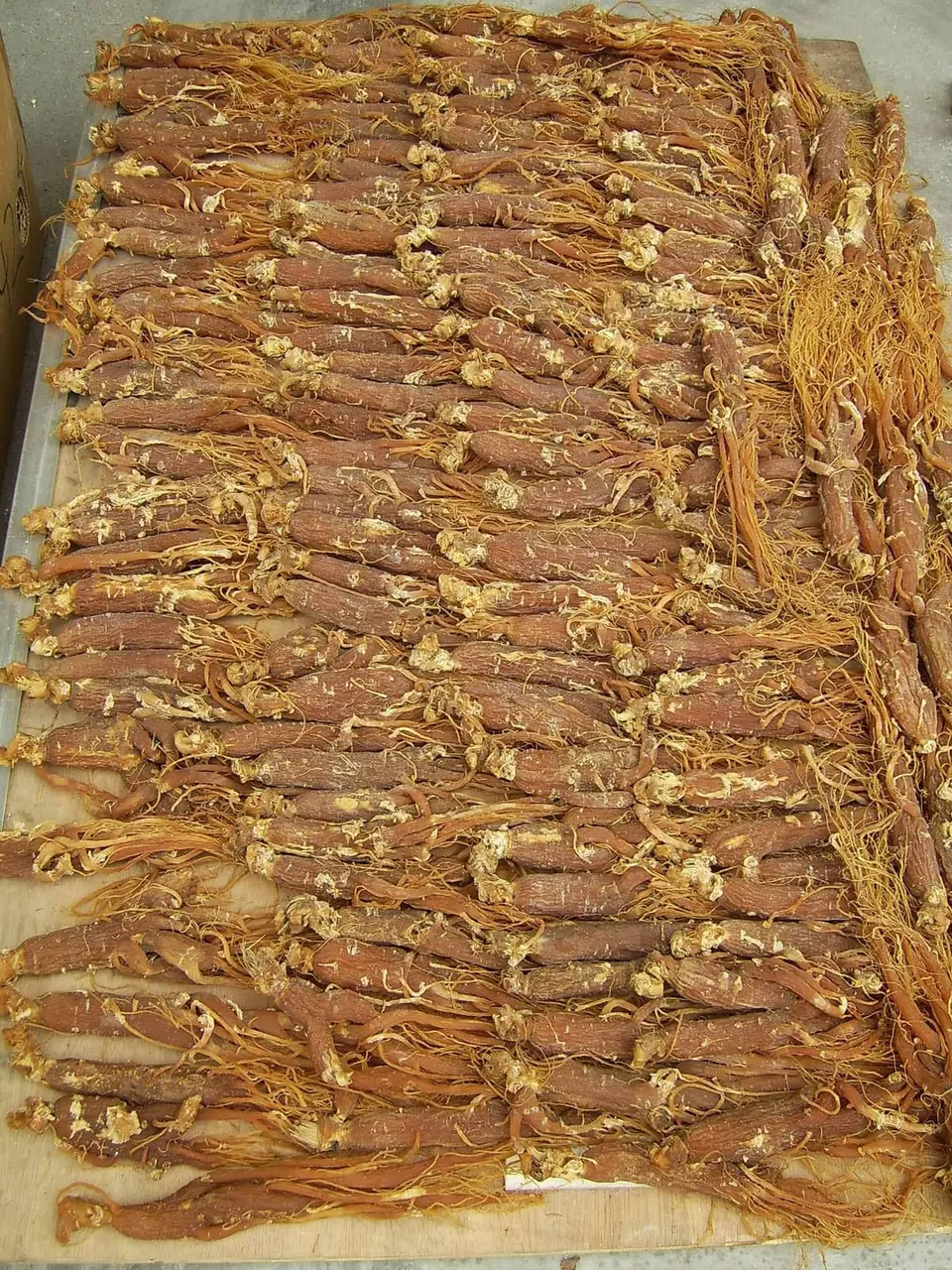
You should look for Korean Red Ginseng, which is the root steamed and dried for maximum strength. This form is the most studied for its ability to improve energy and fatigue.
Avoid brands that do not list the ginsenoside percentage on the label. Paying a fair price for a verified extract is the only way to ensure you receive the benefits of centuries of use.
A 2022 randomized trial of 58 patients with severe atherosclerosis gave two 500-mg Korean Red Ginseng tablets twice daily for 12 months (Kwon B et al. 2022). The study found that ginseng was well tolerated by these patients. These patients showed good compliance with ginseng dosing.
Value for Mental Performance
Paying for a high-quality extract is a direct investment in your brain health.
For those facing age-related decline, the value of the root is seen in its ability to support the mind. A 12-week randomized study of 61 patients with Alzheimer's disease found that a high dose of 9 g per day of Korean red ginseng significantly improved ADAS and CDR scores compared to a control group (Heo JH et al. 2008). This result highlights the strength of the root for cognitive support.
You can find a balance between cost and performance by choosing standardized powders or capsules. These forms often provide the most ginsenosides per dollar spent.
A 2014 randomized study of 93 postmenopausal women used fermented red ginseng capsules for 2 weeks (Lee KJ et al. 2014). The structural regression path of the energy factor on cognitive depression showed a significant difference between the fermented red ginseng group and the placebo group. This effect occurred via the energy factor, which is mainly attributable to cholesterol.
Investing in Physical Vitality
The value of Panax ginseng extends to your physical performance and endurance.
In a clinical trial of seven healthy men, 8 weeks of Panax ginseng extract taken three times daily significantly increased exercise duration until exhaustion by 1.5 minutes (Kim SH et al. 2005). The study also found that the extract attenuated lipid peroxidation, which helps you recover from exhaustive exercise.
You can find affordable options that support this level of performance. This low cost makes it easy to maintain the daily intake needed for everyday stamina.
A 2011 systematic review of 57 randomized clinical trials evaluated the efficacy and safety of ginseng monopreparations (Lee NH et al. 2011). The review found that evidence suggests ginseng is not effective at enhancing physical performance. This review still found a strong positive potential for pulmonary disease.
Cost and Sexual Vitality
Many buyers invest in ginseng to regain their edge in the bedroom. This benefit for erectile dysfunction is a core strength of the species.
The root is recognized globally as a top plant used traditionally for sexual performance (Sin VJ et al. 2021). It works by modulating oxidative stress and regulating reproductive hormone secretion (Liu J et al. 2026). These mechanisms support the long-term vitality of the reproductive system.
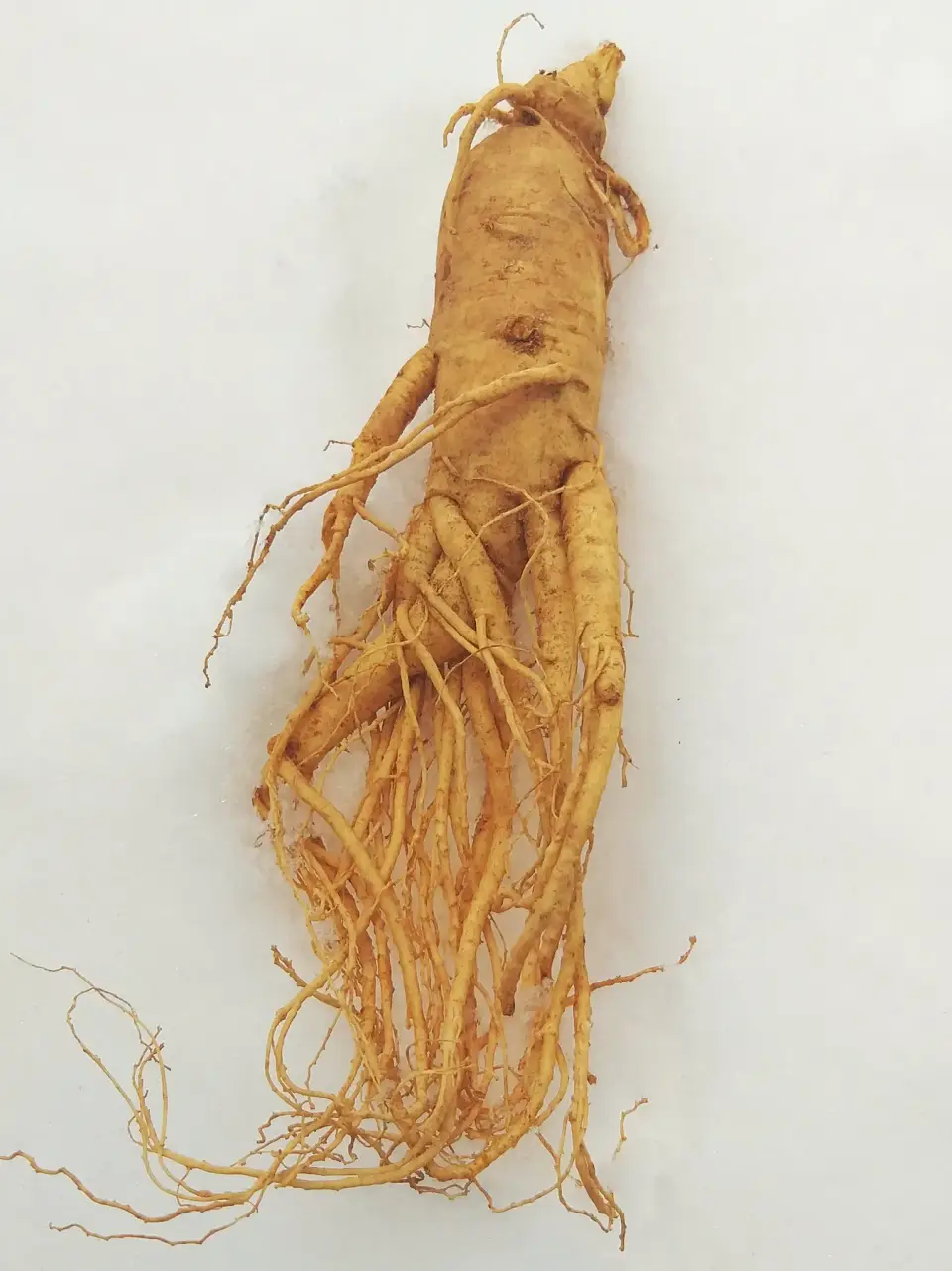
When shopping for this benefit, prioritize standardized extracts over raw root slices. Extracts provide a concentrated dose of ginsenosides that are more effective for performance. This ensures you are paying for a product that delivers real results for male vitality.
A 2026 review of pharmacological activities found that Panax ginseng improves reproductive function by inhibiting reproductive cell apoptosis (Liu J et al. 2026). The evidence indicates the root ameliorates mitochondrial function. It also modulates oxidative stress levels.
Paying for Metabolic Support
Ginseng provides significant value for those managing their blood glucose levels. A systematic review of 57 randomized clinical trials found strong evidence of a positive effect of ginseng on glucose metabolism (Lee NH et al. 2011). This makes the root a strategic addition for metabolic health.
In a double-blind study of 19 participants with well-controlled type 2 diabetes, 12 weeks of 6 g per day of Korean red ginseng decreased 75 g-OGTT-PG indices by 8 to 11 percent (Vuksan V et al. 2008). The study also found that fasting insulin sensitivity increased by 33 percent compared to a placebo.
High-value ginseng is an affordable way to support these metabolic markers. By choosing a product with a guaranteed ginsenoside percentage, you ensure the metabolic benefits are realized.
The 2008 study of 19 participants with type 2 diabetes used Korean red ginseng rootlets (Vuksan V et al. 2008). The participants received 2 g per meal for 12 weeks. This supplementation maintained good glycemic control safely beyond usual therapy.
The Value of Immune Protection
Investing in ginseng during the winter months can reduce the frequency of illness. A randomized, double-blind trial of 100 volunteers found that fewer subjects in the Korean Red Ginseng group reported contracting acute respiratory illness than those in the placebo group (Lee CS et al. 2012). This provides a clear benefit for cold and flu season.
The root is well tolerated, and a study of 23 healthy volunteers found no significant bleeding manifestations when using Panax ginseng alone or with aspirin (Fung FY et al. 2017). This tolerability makes it a safe choice for long-term immune support. The European Medicines Agency also recognizes its traditional use for tiredness and weakness (EMA HMPC herbal monographs).
The best value is found in products that combine purity with a clinical dose. When you buy a standardized extract, you are paying for a proven record of strength. This ensures you maintain your vitality and health through every season of the year.
A 2012 randomized, double-blind, placebo-controlled study recruited 100 subjects aged 30 to 70 years (Ha KC et al. 2012). The subjects took 9 capsules per day of either Korean red ginseng extract or a placebo for 3 months. This study aimed to assess the frequency of influenza-like illness onset.
References
- Lee NH et al. 2011. Systematic review of randomized controlled trials evaluating the efficacy and safety of ginseng. J Acupunct Meridian Stud.
- Heo JH et al. 2008. An open-label trial of Korean red ginseng as an adjuvant treatment for cognitive impairment in patients with Alzheimer's disease. Eur J Neurol.
- Kim SH et al. 2005. Effects of Panax ginseng extract on exercise-induced oxidative stress. J Sports Med Phys Fitness.
- Sin VJ et al. 2021. Botanical Medicine and Natural Products Used for Erectile Dysfunction. Sex Med Rev.
- Liu J et al. 2026. Traditional Chinese Medicine for Regulating Reproductive Aging: Pharmacological Activities and Mechanisms. Drug Des Devel Ther.
- Vuksan V et al. 2008. Korean red ginseng (Panax ginseng) improves glucose and insulin regulation in well-controlled, type 2 diabetes: results of a randomized, double-blind, placebo-controlled study of efficacy and safety. Nutr Metab Cardiovasc Dis.
- Lee CS et al. 2012. Preventive effect of Korean red ginseng for acute respiratory illness: a randomized and double-blind clinical trial. J Korean Med Sci.
- Fung FY et al. 2017. A randomized, double-blind, placebo- controlled study on the anti-haemostatic effects of Curcuma longa, Angelica sinensis and Panax ginseng. Phytomedicine.
- Hong Kong Chinese Materia Medica Standards. Hong Kong Chinese Materia Medica Standards, Volume 1: Radix Ginseng.
- EMA HMPC herbal monographs. Ginseng radix, EMA herbal monograph.
- Kwon B et al. 2022. Preventive effects of ginseng against atherosclerosis and subsequent ischemic stroke: A randomized controlled trial (PEGASUS trial). J Ginseng Res.
- Lee KJ et al. 2014. The effect of fermented red ginseng on depression is mediated by lipids. Nutr Neurosci.
- Ha KC et al. 2012. A placebo-controlled trial of Korean red ginseng extract for preventing influenza-like illness in healthy adults. BMC Complement Altern Med.
Nothing here is medical advice, and anyone on prescription medication can mention ginseng to a doctor while enjoying a root people have trusted for centuries.