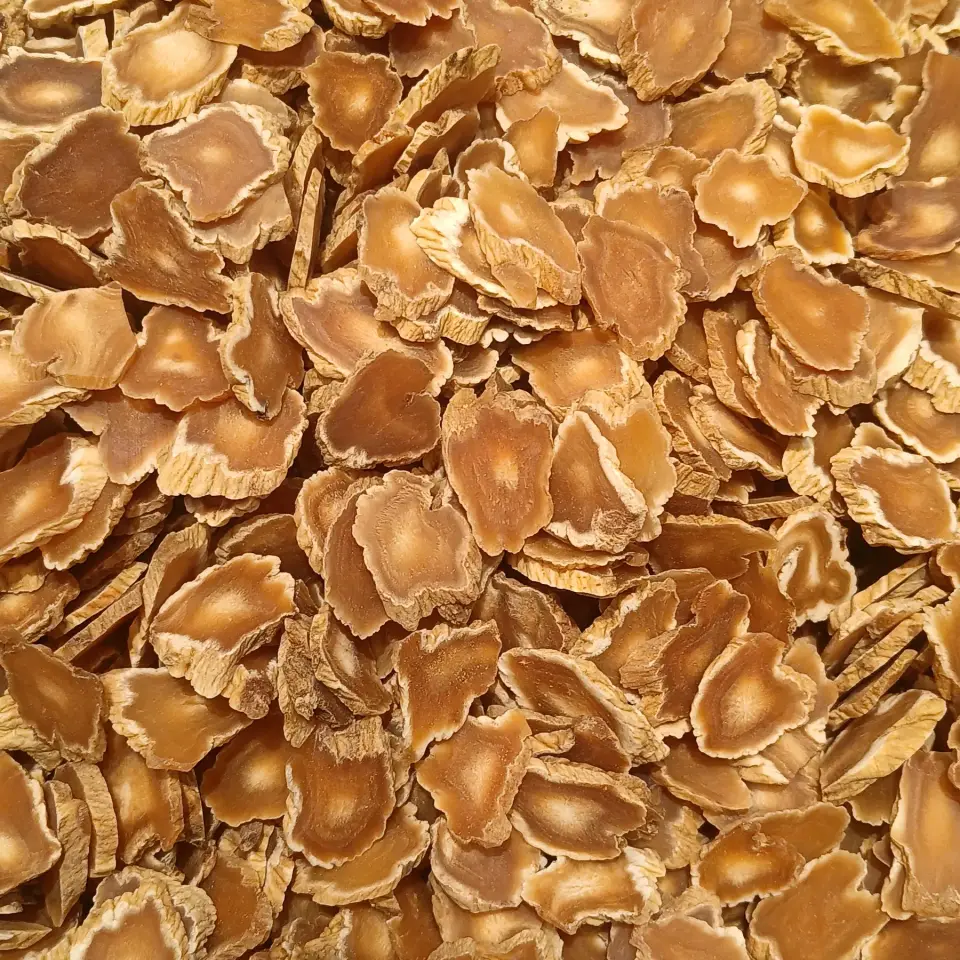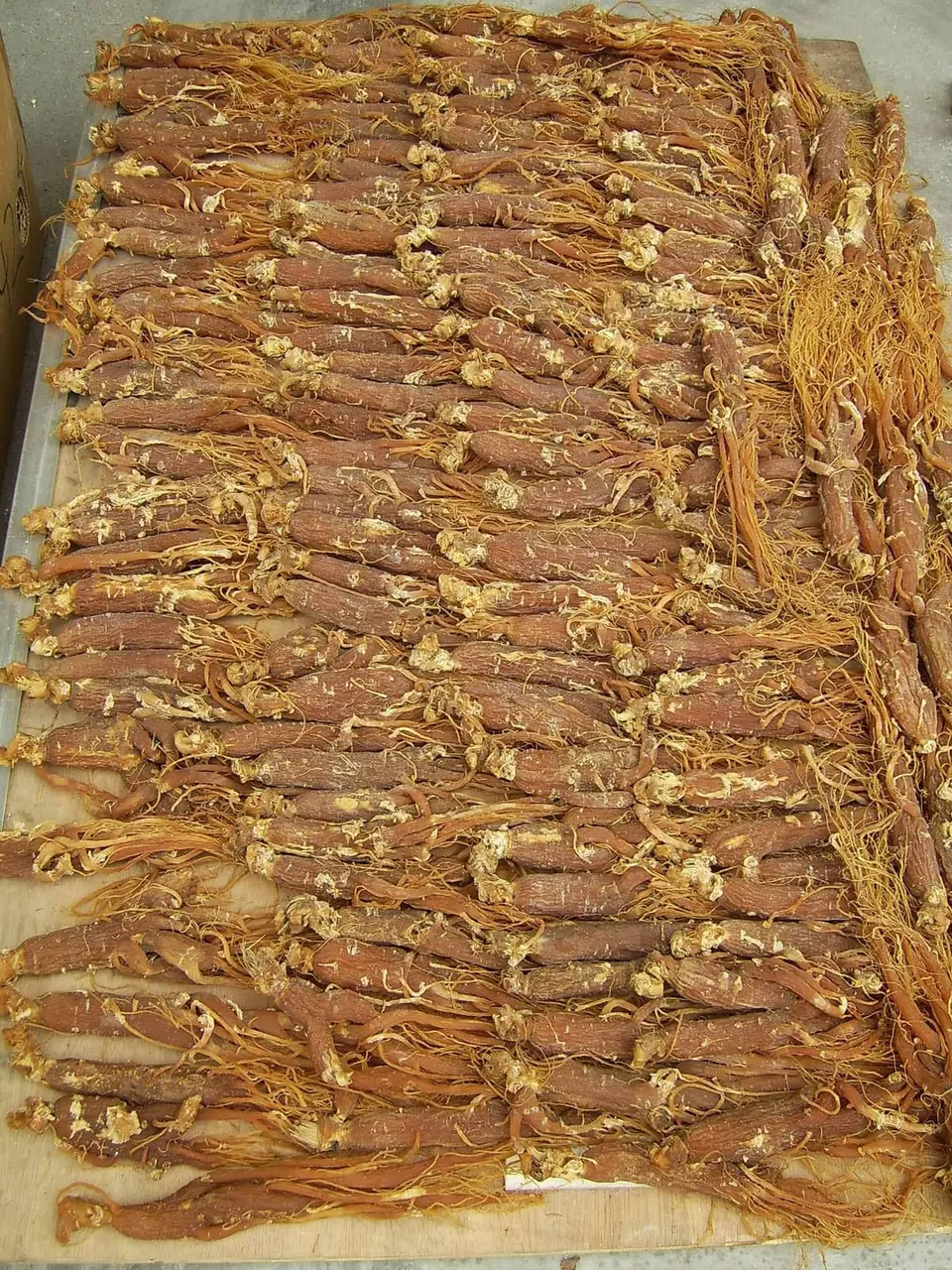
Panax ginseng has been used for centuries to restore vitality. Modern fermentation transforms this ancient root into a high-performance form for those fighting age-related decline. This process increases the bioavailability of active compounds to help you regain your edge.
It Increases Absorption into Your Blood
Fermentation breaks down complex ginsenosides into smaller metabolites that your body absorbs more easily. A randomized, single-dose, two-period, crossover study in 12 healthy Japanese adults aged 40 to 60 found that the area under the curve for Compound K was 17.5-fold higher with fermented ginseng than with non-fermented ginseng (Fukami et al. 2019). This ensures the active components reach your system faster.
The process creates specific metabolites that are rare in raw forms. A randomized, single-dose, fasting, two-period, cross-over study of 24 healthy Korean male volunteers found that the mean Cmax of IH-901 was 27-fold higher in the fermented ginseng group than in the non-fermented group (Jin et al. 2012). This high systemic exposure supports better pharmacological effects.
These metabolites are the key to getting your edge back. Many users say they feel the effects more quickly when using fermented versions.
It Helps You Manage Blood Sugar
Fermented red ginseng supports metabolic performance after meals. A four-week, randomized, double-blind, placebo-controlled trial of 42 subjects with impaired fasting glucose or type 2 diabetes found that daily supplementation with fermented red ginseng lowered postprandial glucose levels (Oh et al. 2014). This result helps stabilize your energy throughout the day.
The root also influences long-term markers of metabolic health. A double-blind trial of 93 postmenopausal women found that fermented red ginseng powder decreased levels of glycosylated hemoglobin (HbA1c), insulin, and homeostatic model assessment of insulin resistance (Lee et al. 2013). Such changes are beneficial for the prevention of diabetes.
You can learn more about these effects in our guide on ginseng for metabolic health.
It Supports Your Liver and Energy
Fermented ginseng helps you fight fatigue by protecting liver function. A 12-week, randomized, double-blind study of 90 participants with elevated alanine aminotransferase levels found that a high dose of 500 mg per day of fermented ginseng powder significantly decreased fatigue scores compared with the placebo group (Jung et al. 2020). This helps you maintain a higher level of daily performance.
The root also improves specific liver markers. In the same study of 90 people, a low dose of 125 mg per day of fermented ginseng powder significantly decreased GGT and hs-CRP levels more than the placebo group (Jung et al. 2020). These results indicate a positive effect on liver function.
Reducing fatigue is essential for those aged 30 to 60. You can find more on this in our guide to ginseng for energy and fatigue.
It Helps You Recover from Physical Stress
Fermented ginseng protects your body during and after intense exertion. A double-blind, placebo-controlled study of 19 men and women found that a high dose of 960 mg of enzyme fermented ginseng significantly reduced muscle damage and HPA responses to physical stress 24 hours after intense exercise (Flanagan et al. 2018). This allows for a faster return to peak performance.
The root also manages the hormonal response to stress. In the same study of 19 participants, fermented ginseng produced dose-dependent reductions in circulating cortisol and increased antioxidant activity (Flanagan et al. 2018). This helps you maintain your composure under pressure.
These effects are vital for those who push their bodies in the gym or at work. You can read more about this in our guide to ginseng before workouts.
It Improves Lipid Metabolism and Heart Health
Fermented red ginseng helps maintain healthy blood lipid levels. A 12-week, multicenter, randomized, double-blind, placebo-controlled trial of 65 adults with dyslipidemia and impaired fasting glucose found that fermented red ginseng product supplementation resulted in lower triglyceride levels compared with placebo (Lim et al. 2024). This supports a healthier cardiovascular profile.
The root also interacts with hormones to regulate fats. A study of 93 postmenopausal women found that fermented red ginseng capsules significantly changed the path coefficients of cortisol and the branchial pulse for free fatty acids compared to the placebo group (Lee et al. 2014). This helps the body manage energy sources more effectively.
Maintaining healthy lipids is a key part of fighting age-related decline. See our guide on ginseng for heart health for more details.
It Supports Your Mood and Mental State
Fermented ginseng can help lift your spirits by influencing energy factors. A study of 93 postmenopausal women found that the consumption of fermented red ginseng influenced cognitive depression via an energy factor mainly attributable to cholesterol (Lee et al. 2014). This helps you maintain a positive outlook.
The root also supports those facing severe health challenges. A study of 60 patients with advanced non-small cell lung cancer found that fermented red ginseng extract significantly improved psychological status, physical conditions, and quality of life (Jiang et al. 2017). This provides a vital boost to overall well-being.
Mental clarity and emotional strength are essential for performance. You can explore this further in our guide to ginseng for a sharper brain.
It Enhances Your Immune Response
Fermentation increases the immunological activity of the root. A study in healthy subjects found that serum immunoglobulin A (IgA) and G (IgG) levels were higher after fermented red ginseng administration than at baseline (Kim et al. 2011). This strengthens your natural defenses.
The root also helps with specific inflammatory responses. A 4-week, double-blind, placebo-controlled study of 59 patients with perennial allergic rhinitis found that fermented red ginseng was significantly effective for nasal congestion and improved the quality of life (Jung et al. 2011). This reduces the impact of seasonal allergens.
These benefits ensure you stay active and healthy year-round. Check our guide on ginseng for cold and flu season for more tips.
How to Use Fermented Ginseng
Fermented ginseng is generally well tolerated. While some users report mild diarrhea (Jin et al. 2012), no serious adverse events were detected in a 12-week trial of 65 adults (Lim et al. 2024). This makes it a safe choice for daily use.
You should be aware of how it interacts with other substances. A study of 15 healthy male subjects found that fermented red ginseng inhibited P-gp, which can increase the systemic exposure of certain P-gp substrate drugs (Kim et al. 2016). This is a detail to keep in mind for maximum safety.
For the best results, follow a consistent daily routine. You can find the ideal timing in our guide on the best time of day to take ginseng.
References
- Lim J et al. 2024. Evaluation of the efficacy and safety of fermented red ginseng product (FRGP) for improving blood sugar and blood cholesterol: 12 week, multicenter, randomized, double-blind, placebo-controlled clinical trial Research Square.
- Jung SJ et al. 2020. A 12-week, randomized, double-blind study to evaluate the efficacy and safety of liver function after using fermented ginseng powder (GBCK25). Food Nutr Res.
- Fukami H et al. 2019. Pharmacokinetic Study of Compound K in Japanese Subjects After Ingestion of Panax ginseng Fermented by Lactobacillus paracasei A221 Reveals Significant Increase of Absorption into Blood. J Med Food.
- Flanagan SD et al. 2018. The Effects of a Korean Ginseng, GINST15, on Hypo-Pituitary-Adrenal and Oxidative Activity Induced by Intense Work Stress. J Med Food.
- Jiang SL et al. 2017. Adjuvant effects of fermented red ginseng extract on advanced non-small cell lung cancer patients treated with chemotherapy. Chin J Integr Med.
- Lee KJ et al. 2014. The effect of fermented red ginseng on depression is mediated by lipids. Nutr Neurosci.
- Lee KJ et al. 2014. Free-fatty-acid-regulating effects of fermented red ginseng are mediated by hormones and by the autonomic nervous system. J Ginseng Res.
- Oh MR et al. 2014. Postprandial glucose-lowering effects of fermented red ginseng in subjects with impaired fasting glucose or type 2 diabetes: a randomized, double-blind, placebo-controlled clinical trial. BMC Complement Altern Med.
- Lee KJ et al. 2013. Diabetes-ameliorating effects of fermented red ginseng and causal effects on hormonal interactions: testing the hypothesis by multiple group path analysis. J Med Food.
- Jin H et al. 2012. Pharmacokinetic comparison of ginsenoside metabolite IH-901 from fermented and non-fermented ginseng in healthy Korean volunteers. J Ethnopharmacol.
- Kim BG et al. 2011. Fermentation of Korean red ginseng by Lactobacillus plantarum M-2 and its immunological activities. Appl Biochem Biotechnol.
- Jung JW et al. 2011. Therapeutic effects of fermented red ginseng in allergic rhinitis: a randomized, double-blind, placebo-controlled study. Allergy Asthma Immunol Res.
- Kim MG et al. 2016. Effect of fermented red ginseng on cytochrome P450 and P-glycoprotein activity in healthy subjects, as evaluated using the cocktail approach. Br J Clin Pharmacol.
Nothing here is medical advice, and anyone on prescription medication can mention ginseng to a doctor while enjoying a root people have trusted for centuries.