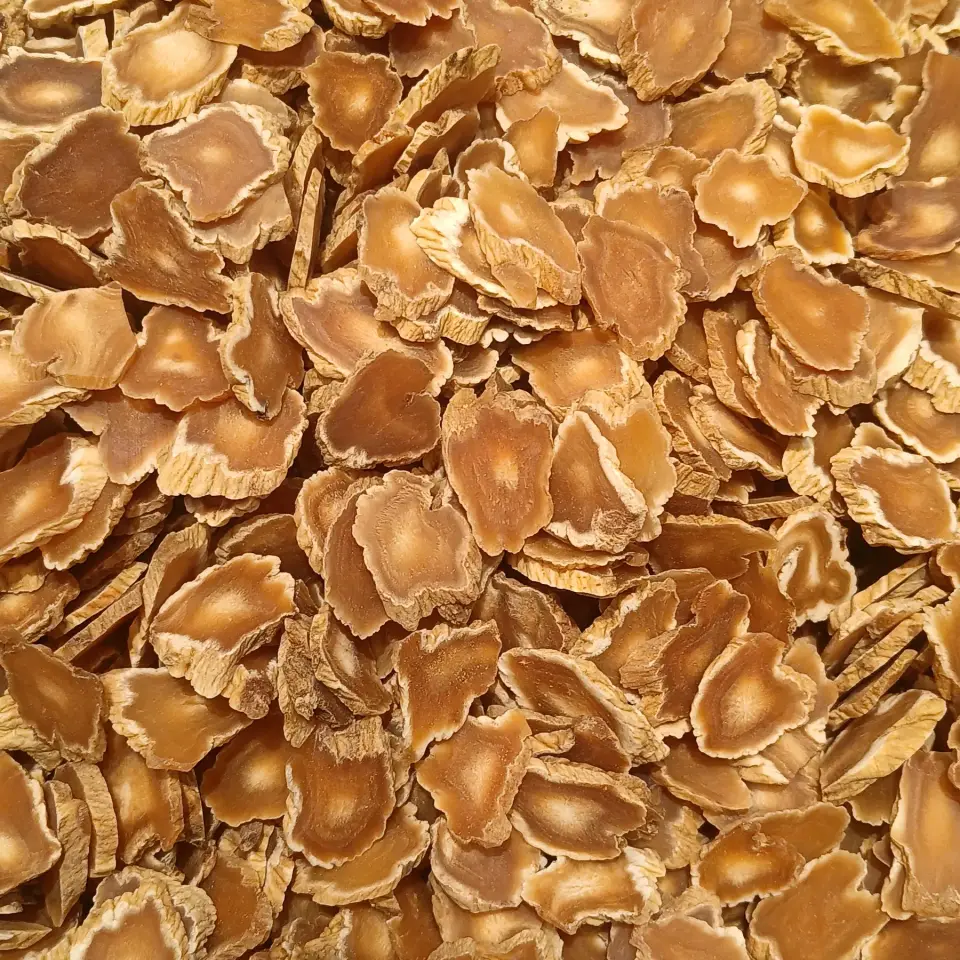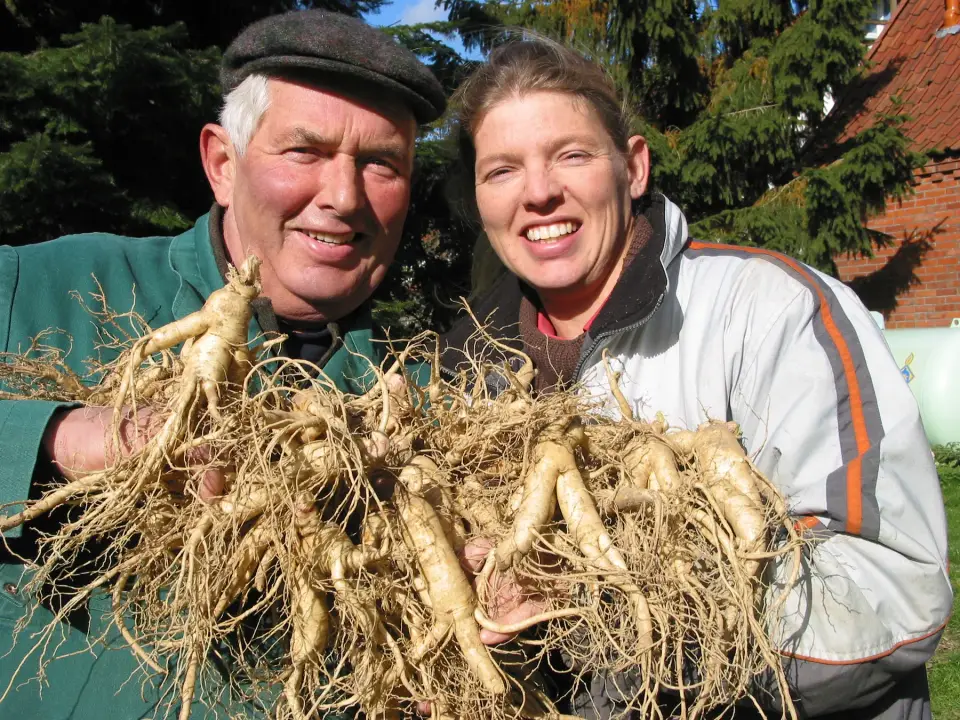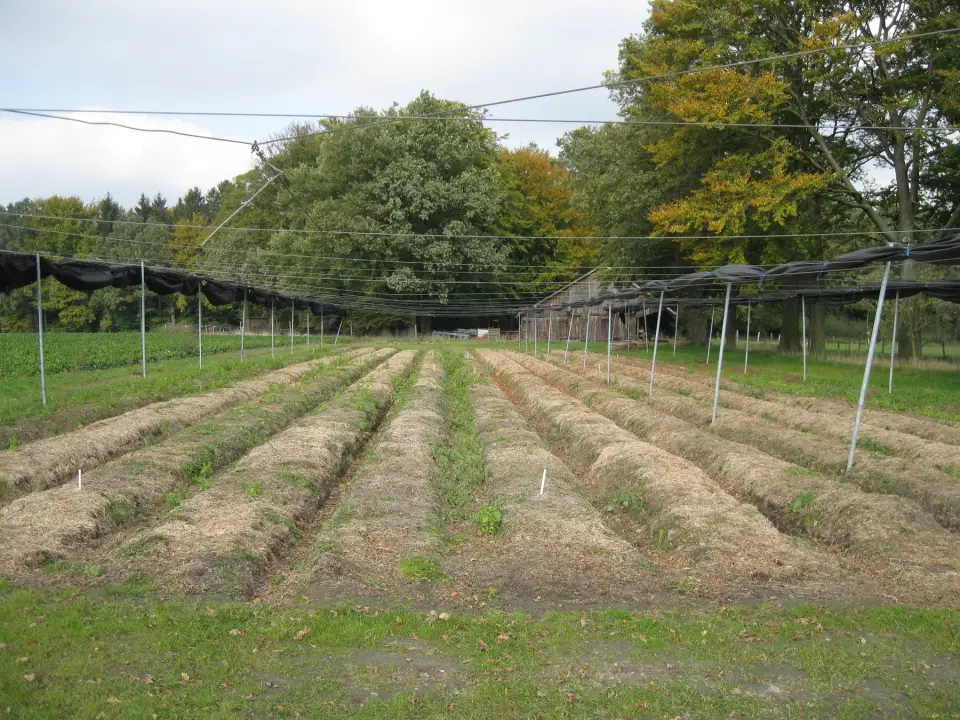
Panax ginseng provides a natural way to reclaim your energy and performance. This root has been used for centuries to fight fatigue and support a sharp mind. Understanding how it interacts with other substances ensures you maintain your edge while supporting your long-term vitality.
It Is Generally Well Tolerated
Panax ginseng is widely recognized for its ability to support cognitive function and stress resilience NCCIH. Many users say it helps them feel more alert and focused.
The root has a long record of use in traditional medicine to treat weakness EMA HMPC herbal monographs.
Most people experience the root as a safe way to boost their daily stamina. It supports the body's ability to adapt to stress over centuries of use. You can enjoy the root's strength while staying mindful of your specific health profile.
The root is recognized for its quality and identity through established standards Hong Kong Chinese Materia Medica Standards. This ensures you receive a potent product that supports your daily performance. Many users report a sense of renewed vigor when using the root. It provides a reliable way to fight age related decline through centuries of use.
It Does Not Affect Most HIV Medications
Some users worry that botanical supplements interfere with complex medication regimens. A clinical trial involving 12 healthy volunteers found that neither lopinavir nor ritonavir steady-state pharmacokinetics were altered by 2 weeks of P. ginseng administration (Calderón 2014). This result supports the use of the root for those seeking better overall well-being.
The study used a dose of 500 mg twice daily to test for interactions (Calderón 2014). This finding suggests that a clinically significant interaction between P. ginseng and LPV-r is unlikely to occur (Calderón 2014). You can pursue your vitality without compromising these specific treatments.
This evidence allows you to focus on getting your edge back. The root provides a way to support your system while maintaining your primary health goals. It is a reliable tool for those fighting age-related decline.
A systematic review of 41 case reports and 17 clinical trials looked at herb drug interactions Izzo 2001. The results indicate that Panax ginseng lowers blood concentrations of alcohol and warfarin (Izzo 2001). This data helps you understand how the root interacts with various substances. You can use this knowledge to maintain your edge and your health.
It Has a Minimal Effect on Blood Thinners
Warfarin is a common medication for blood coagulation. A study of 24 healthy subjects found that Asian ginseng produced only a moderate increase in S-warfarin apparent clearance (Jiang 2006). This indicates that the root does not have a direct effect on warfarin pharmacodynamics (Jiang 2006).
Other research has looked at the International Normalized Ratio in patients.
You can maintain your circulation and heart health while using the root. It has been used for centuries to support the blood and energy. This allows you to pursue ginseng and circulation benefits with confidence.
It Interacts Mildly with Liver Enzymes
The liver uses cytochrome P450 enzymes to process many drugs. A study of 12 healthy volunteers aged 60 to 76 found that P. ginseng inhibition of CYP2D6 was statistically significant, but the magnitude of the effect was approximately 7% and did not appear to be clinically relevant (Gurley 2005). This shows the root is gentle on the liver's metabolic pathways.
Another study of 12 healthy participants found that P. ginseng appeared to induce CYP3A activity in the liver and possibly the gastrointestinal tract (Malati 2012). In this trial, midazolam AUC was significantly reduced to 0.66 after 28 days of 500 mg twice daily doses (Malati 2012). This induction is a reflection of the root's active metabolic influence.
Despite these enzyme shifts, the root remains a powerful tool for performance. It helps you maintain a high level of function as you age. You can find more on ginseng and liver health to see how the root supports organ function.
A study of 15 healthy male subjects evaluated the drug interaction profile of fermented red ginseng Kim 2016. The geometric mean ratio of the area under the curve for fexofenadine was 1.322 (Kim 2016). This shows the root inhibits P-gp activity. This metabolic influence is a strength of the root's active compounds.
It Works with Blood Glucose Management
Many people use the root to support their metabolic health. Radix Ginseng has been used in the management of diabetes and its complications for more than 1000 years Liu 2021. This long history of use provides a foundation of strength for those fighting metabolic decline.
The root exhibits glucose-lowering effects in various models Liu 2021. It may prevent the development of diabetic complications in the liver, pancreas, and skeletal muscle Liu 2021. This makes it a valuable ally for those seeking ginseng for metabolic health.
By supporting blood sugar levels, the root helps you maintain steady energy throughout the day. It prevents the crashes that often lead to fatigue. This is a key part of getting your edge back.
The root uses multiple signaling pathways to exert antidiabetic activities Liu 2021. These include the LKB1/AMPK/FoxO1 and IRS1/PI3K/AKT pathways (Liu 2021). This complex mechanism supports your metabolic health and energy levels. It is a powerful way to maintain your vitality as you age.
Fermented Versions Increase Absorption
Processing the root can change how your body absorbs its active compounds. A randomized, open-label study of 12 Japanese healthy adults found that in the fermented ginseng group, AUC was 58.3-fold higher than in the non-fermented group (Fukami 2019). This increased absorption leads to faster and stronger results.
Another study of 24 healthy Korean male volunteers found that fermented ginseng resulted in a 15.5-fold increase in AUC for the metabolite IH-901 (Jin 2012). The mean Cmax was 27-fold higher in the fermented group (Jin 2012). This allows you to get more from every dose.
Higher absorption means better support for your brain and body. It helps you fight age-related decline more effectively. You can learn more about these differences in our guide on red vs white ginseng.
A randomized crossover study compared a CK fermentation product called CK-30 to red ginseng extract Ban 2021. CK-30 resulted in a 118.3-fold increase in Cmax and a 135.1-fold increase in area under the plasma concentration-time curve compared with red ginseng extract (Ban 2021). This allows for a much higher systemic exposure to ginsenoside CK. You get a more potent dose for better performance.
It Supports a Sharper Brain and Body
The ultimate goal of using Panax ginseng is to restore your peak performance. A review of the root's active compounds found they are candidates for delaying ovarian aging-associated functional decline and supporting reproductive health Li 2026. This systemic support helps you feel younger and more vibrant.
The root's ability to modulate energy metabolism preserves mitochondrial function Li 2026. This cellular energy is what allows you to regain your edge in both mental and physical tasks.
By combining the root with a healthy lifestyle, you can maximize your vitality. It supports ginseng for energy and fatigue and helps you stay competitive. The root is a timeless solution for those who refuse to slow down.
The root and its active compounds like ginsenosides Rg1 and Rb3 are candidates for delaying ovarian aging Li 2026. These compounds rebalance apoptosis and autophagy to support granulosa cell survival (Li 2026). This helps preserve endocrine function during the aging process. It is a concrete way to reclaim your vitality.
References
- Fukami H et al. 2019. Pharmacokinetic Study of Compound K in Japanese Subjects After Ingestion of Panax ginseng Fermented by Lactobacillus paracasei A221 Reveals Significant Increase of Absorption into Blood. J Med Food.
- Jin H et al. 2012. Pharmacokinetic comparison of ginsenoside metabolite IH-901 from fermented and non-fermented ginseng in healthy Korean volunteers. J Ethnopharmacol.
- Jiang X et al. 2006. Investigation of the effects of herbal medicines on warfarin response in healthy subjects: a population pharmacokinetic-pharmacodynamic modeling approach. J Clin Pharmacol.
- Gurley BJ et al. 2005. Clinical assessment of effects of botanical supplementation on cytochrome P450 phenotypes in the elderly: St John's wort, garlic oil, Panax ginseng and Ginkgo biloba. Drugs Aging.
- Calderón MM et al. 2014. Influence of Panax ginseng on the steady state pharmacokinetic profile of lopinavir-ritonavir in healthy volunteers. Pharmacotherapy.
- Malati CY et al. 2012. Influence of Panax ginseng on cytochrome P450 (CYP)3A and P-glycoprotein (P-gp) activity in healthy participants. J Clin Pharmacol.
- Li YX et al. 2026. Ginseng and its active compounds in ovarian aging: mechanistic basis and translational prospects. Front Pharmacol.
- Liu Y et al. 2021. A comprehensive review on the phytochemistry, pharmacokinetics, and antidiabetic effect of Ginseng. Phytomedicine.
- NCCIH. Asian Ginseng: Usefulness and Safety.
- EMA HMPC herbal monographs. Ginseng radix, EMA herbal monograph.
- Hong Kong Chinese Materia Medica Standards. Hong Kong Chinese Materia Medica Standards, Volume 1: Radix Ginseng.
- Izzo AA et al. 2001. Interactions between herbal medicines and prescribed drugs: a systematic review. Drugs.
- Kim MG et al. 2016. Effect of fermented red ginseng on cytochrome P450 and P-glycoprotein activity in healthy subjects, as evaluated using the cocktail approach. Br J Clin Pharmacol.
- Ban MS et al. 2021. Pharmacokinetics of Ginsenoside Compound K From a Compound K Fermentation Product, CK-30, and From Red Ginseng Extract in Healthy Korean Subjects. Clin Pharmacol Drug Dev.
Nothing here is medical advice, and anyone on prescription medication can mention ginseng to a doctor while enjoying a root people have trusted for centuries.